Celebrating Our Outgoing Board Members: Melanie Strong & Michael Brune
At Outdoor Afro, our story has always been shaped by people who believe deeply in the power of connection to land, to community, and to ourselves. Two of those people, Melanie Strong and Michael Brune, have helped guide that story in profound ways.
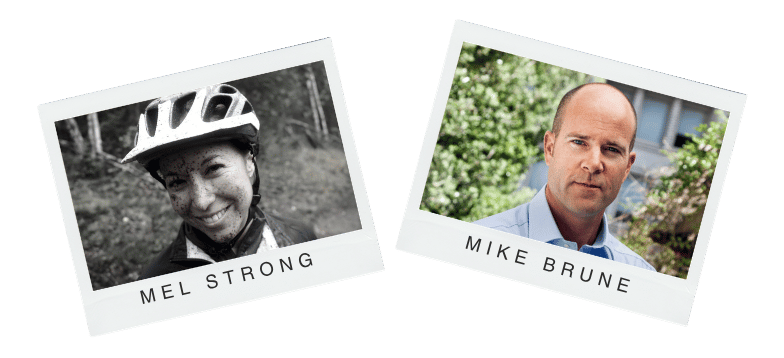
As their board service came to a close at the end of 2025, Mike after eight years and Mel after six, we find ourselves not just reflecting on their leadership, but feeling the lasting imprint of their presence across the movement.
Their time with Outdoor Afro was about more than governance or guidance. It was about belief. Belief in a vision that Black joy belongs in nature, that leadership can be cultivated outdoors, and that when people are given space to connect, something powerful unfolds.
One of the most vivid reflections of that impact comes from Mel Strong, who recalls a moment that brought the mission into full clarity:
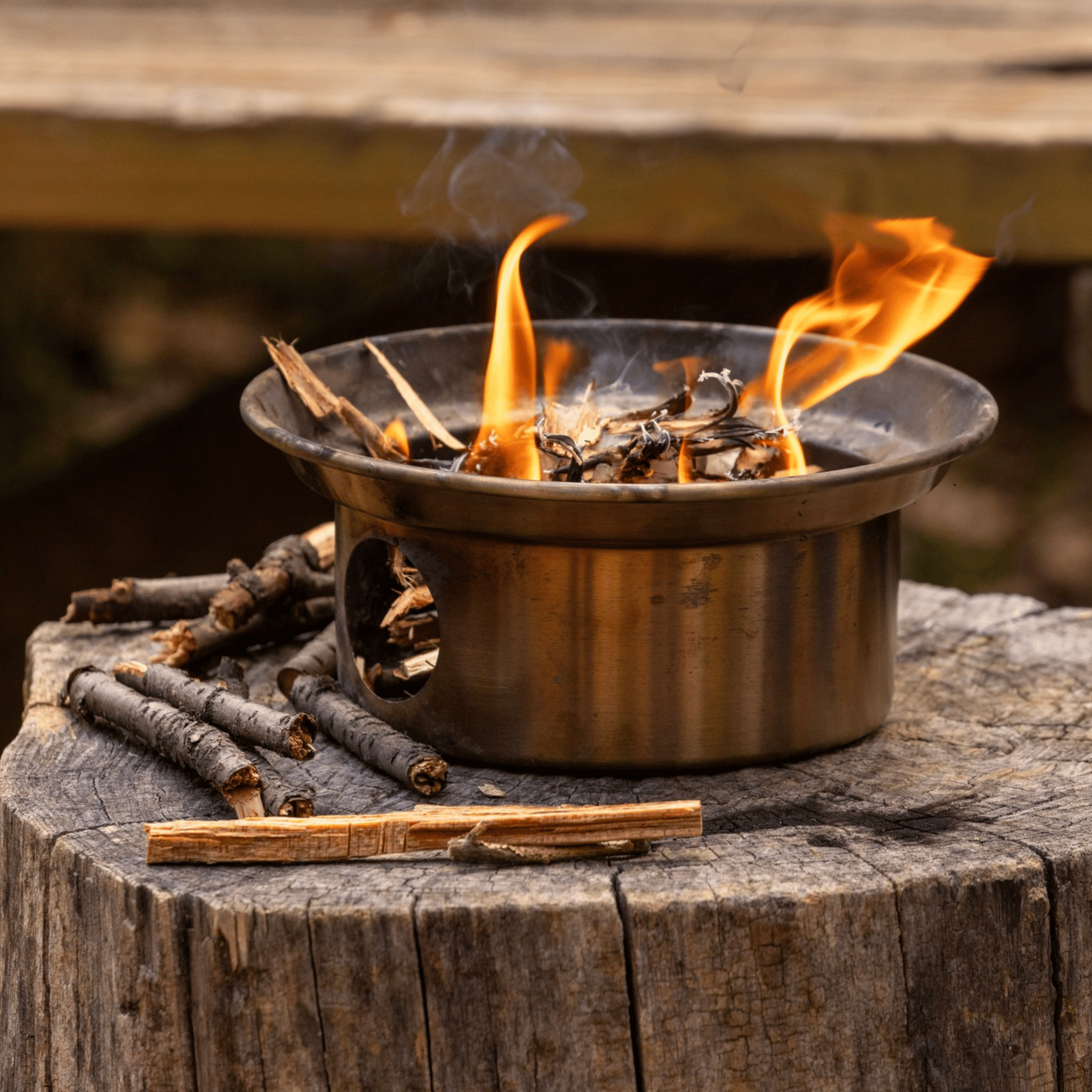
“The moment that best captured the power and possibility of our mission came when I was at a Ramble Campground last year and met Black families and first-time campers laughing together around a campfire and saying, ‘This space is for me too.’ That feeling of ease and joy in nature is exactly what Rue set out to create. Watching it come to life made the mission very tangible for me.”
It’s a simple image, families around a campfire, but it holds something expansive. A sense of belonging. A quiet shift in what feels possible.
Mel has seen that shift happening across the country, as more Black hikers, campers, and cyclists step into outdoor spaces not just as visitors, but as participants in a growing culture of connection and joy.
“I’m proud to have been part of building something that helps create real opportunities for Black joy in nature.”
For Mike Brune, that sense of possibility stretches back to the earliest days of Outdoor Afro.
He first met Rue Mapp while serving as Executive Director of the Sierra Club, shortly after she founded the organization. Even then, something about her vision stood out. “I was inspired by her vision and deeply impressed with her positivity, charisma, and clear strategy for how to grow the organization,” he shares.
Both Mel and Mike describe their time with Outdoor Afro as transformative thanks in part to what they helped build, and in how they themselves were changed.
For Mel, the experience deepened her personal relationship with nature in a way that went beyond recreation.
“Being part of Outdoor Afro’s board deepened my relationship with nature in a very personal way. I’ve always loved the outdoors, but this experience helped me see it not just as a place for adventure or escape, but as essential to my own mental health and sense of wholeness. It reminded me that nature is medicine, and that time outside is foundational.”
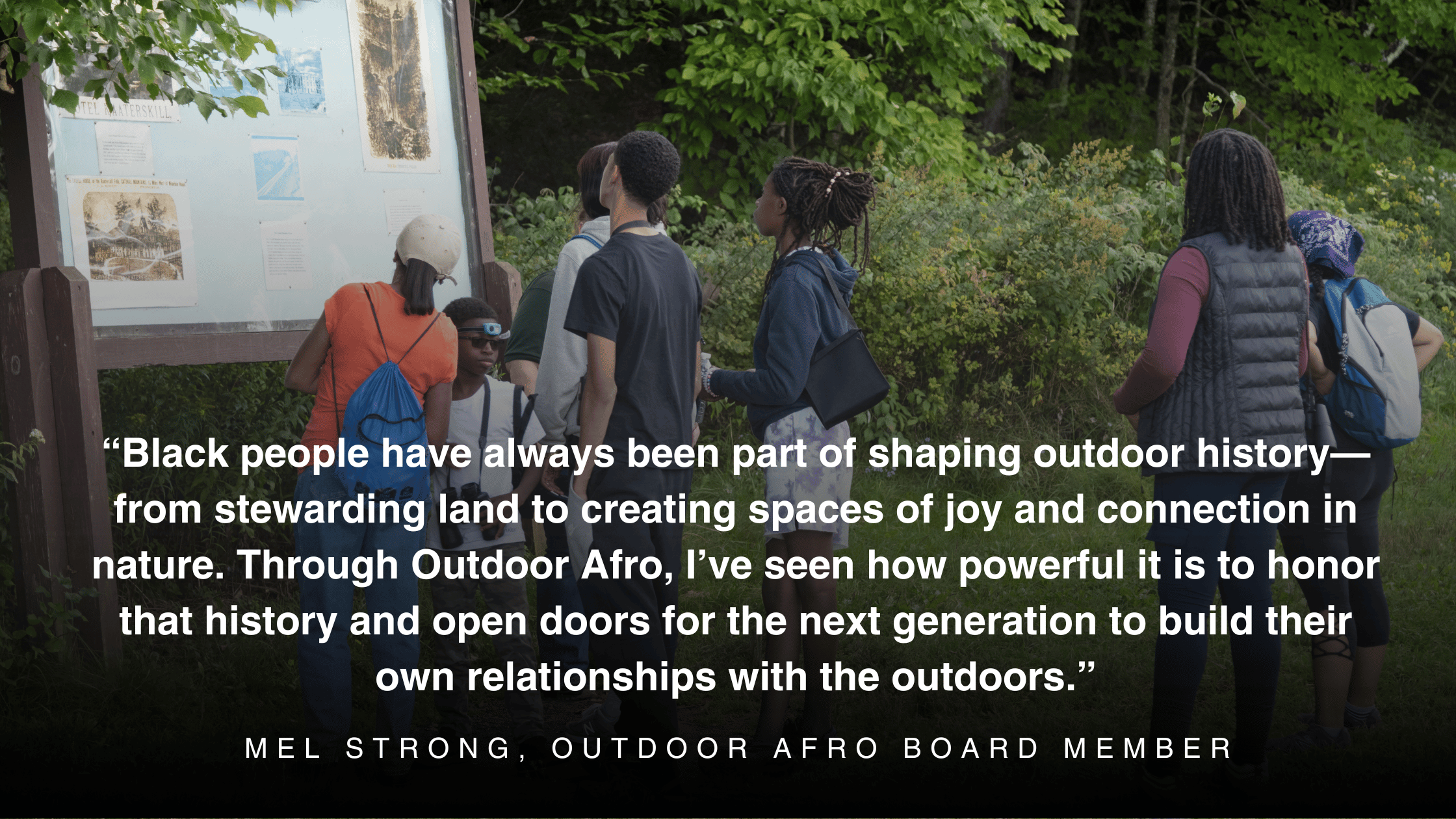
Her time on the board also expanded her understanding of the historical relationship between Black communities and the outdoors: one rooted not in absence, but in legacy.
Mike reflects on the people who make up the Outdoor Afro community, leaders from across industries and backgrounds, all drawn together by a shared commitment to something larger than themselves.
“We have nonprofit leaders and venture investors, outdoor industry executives, tech leaders, accountants, lawyers, doctors, and longtime volunteers,” he shares. “We all carve out time in our busy lives to get outside for reflection, inspiration, solace, and adventure.”
Through that collective commitment, he’s witnessed both the barriers people face and the beauty that emerges when those barriers are removed.
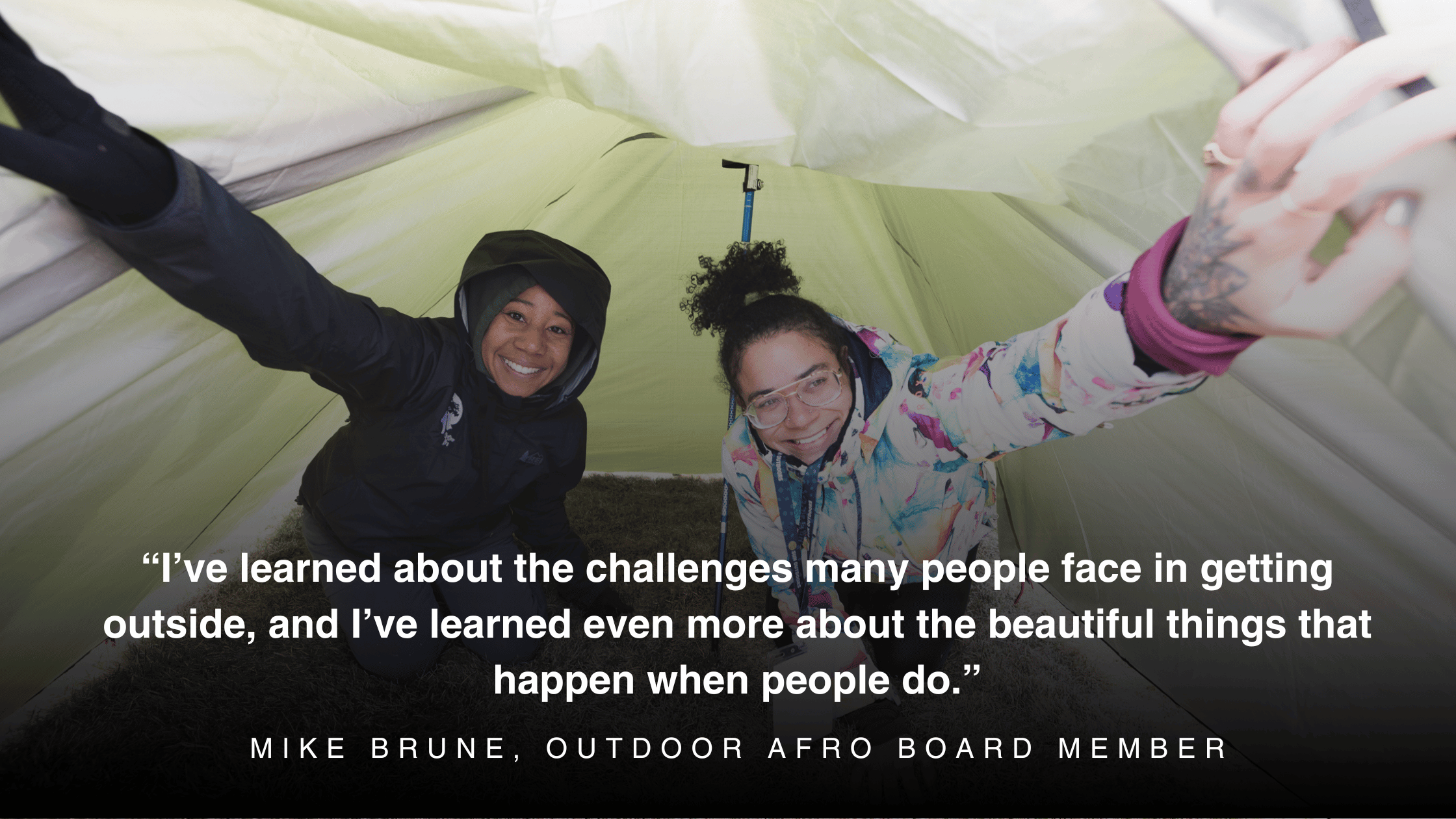
Looking ahead, both Mel and Mike speak with a sense of hope for growth and for deepened impact.
Mel envisions a future where connection to nature is simply part of everyday life: "Black joy in nature is simply part of everyday life, where kids grow up seeing themselves reflected in outdoor spaces, and where communities continue to shape outdoor culture.” She sees Outdoor Afro evolving in ways that go beyond access, into long-term pathways for wellness, leadership, and generational connection, noting, “The next chapter isn’t just about getting more people outside. It’s about creating lasting pathways for wellness, leadership, and connection to the land so our kids and grandkids inherit a stronger relationship with nature.”
Mike, when asked what inspires him most about the future, offers a simple but powerful answer: “The people,” he says. “What a beautiful thing to be a part of. I’m grateful to Rue for her hard work and determination, and to the quietly inspiring board members and other volunteers who have brought her vision to life.”
As we celebrate Mike and Mel’s service, what stands out most is not just what they’ve done, but what they’ve helped make possible.
More connection.
More leadership.
More joy.
We are deeply grateful for their partnership, their vision, and the legacy they leave behind—one that continues to grow every time someone steps outside and feels, maybe for the first time:
This space is for me too.

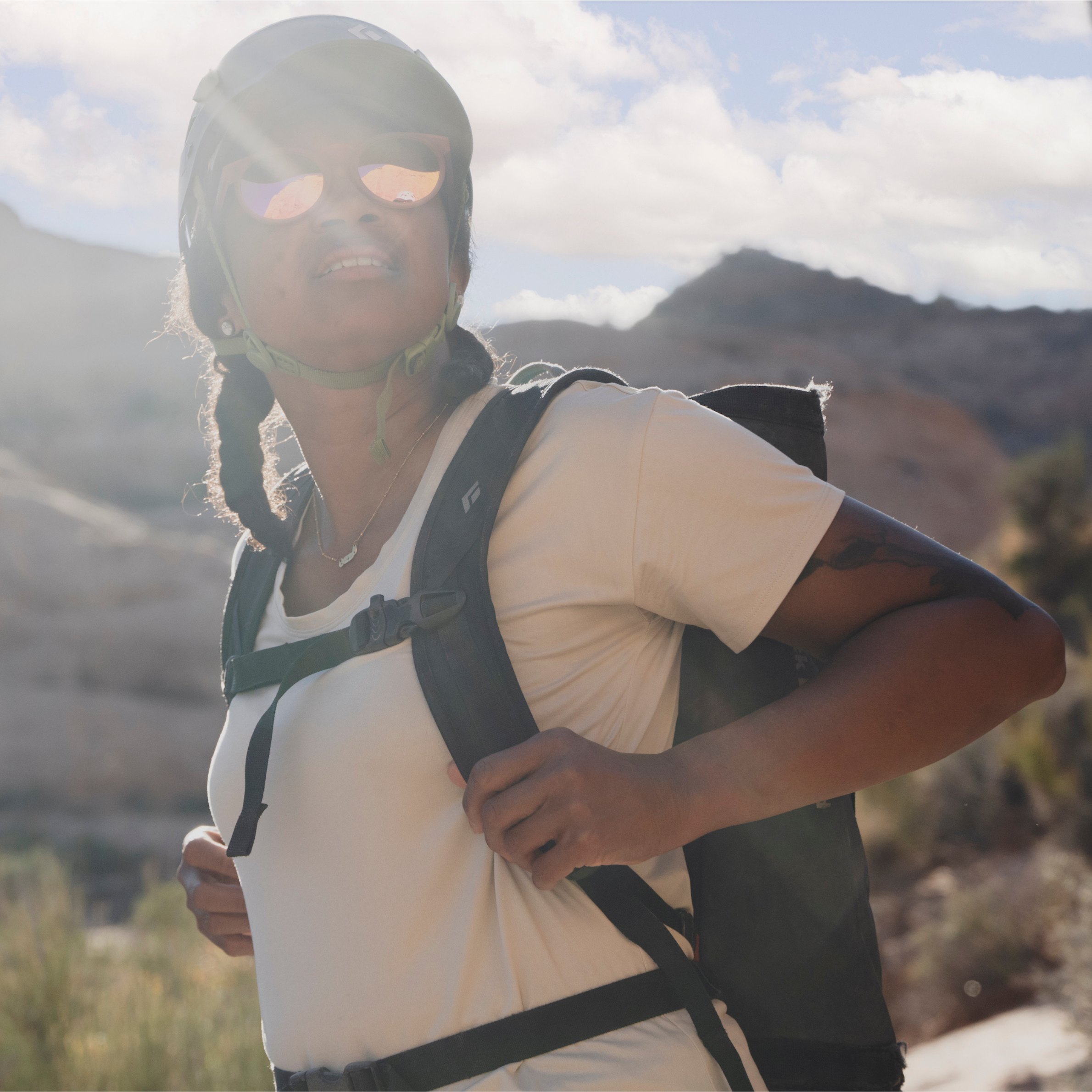
Beginner-Friendly Guides to Hiking and Camping: Your Path to Outdoor Adventures
If you’re new to hiking and camping, you’re in the right place! At Outdoor Afro, Inc., we believe that everyone should feel empowered to enjoy the beauty and benefits of hiking and camping, whether you’re a beginner or advanced. We’ve curated a beginner-friendly guide to give you the confidence and tools you need to hit the trails, and set up camp with ease.
Exploring the outdoors doesn’t have to be complicated or intimidating. With the right preparation, mindset, and gear, your first adventures can be safe, enjoyable, and deeply rewarding. So, grab your backpack, lace up those boots, and let’s dive into the basics of hiking and camping!
Why Hiking and Camping Are the Perfect Activities for Beginners
If you’ve ever felt the pull of nature but weren’t sure where to start, hiking and camping are ideal beginner-friendly activities. They allow you to immerse yourself in natural beauty, disconnect from the hustle of everyday life, and reconnect with yourself and your surroundings.
Both activities are scalable to your comfort level. You can start with short hikes on easy trails and gradually work your way up to overnight camping trips. Plus, these outdoor experiences offer incredible health benefits for physical, mental, and emotional wellbeing.
Outdoor Afro Inc.’s Top Tips for New Hikers and Campers
To help you get started, we’ve compiled some of the best tips for beginners, ensuring that your first experiences are both fun and memorable.
1. Start Small and Build Confidence
When beginning your outdoor journey, ease into it by selecting shorter hikes or car camping trips. Look for local parks with well-maintained trails that are rated as “easy.” These shorter adventures will help you get a feel for being in nature while building your confidence.
2. Wear the Right Gear for Comfort and Safety
Having the right gear can make all the difference when you're hiking or camping. For hiking, opt for sturdy, comfortable shoes with good traction. Trail shoes or hiking boots are perfect. Layer your clothing so that you can easily adjust as temperatures change. For camping, a reliable tent and a warm sleeping bag are essential to a good night’s rest.
Pro Tip: Don’t overpack. Stick to the basics: water, snacks, layers, and sun protection are your best friends for a day hike. For camping, start with car camping so you don’t have to carry your gear too far.
3. Stay Hydrated and Fueled
Whether hiking or camping, staying hydrated is crucial. Always carry enough water for your hike or have a reliable source at your campsite. For day hikes, pack lightweight snacks like nuts, fruit, or energy bars to keep your energy up. For camping, consider meals that are easy to eat outdoors, like sandwiches or sliced veggies.
4. Choose Beginner-Friendly Trails and Campsites
Selecting the right location is key to having a positive experience. For hiking, look for well marked trails that are rated as beginner-friendly with minimal elevation gain. For camping, car campsites are perfect for newbies because they offer amenities like bathrooms, picnic tables, and fire pits, making the experience easier and more enjoyable.
5. Learn Basic Navigation Skills
While it’s easy to follow well marked trails, having basic navigation skills is a good idea, especially if you’re hiking in more remote areas. Learn how to read trail maps, carry a compass, and download a GPS app on your phone. For camping, familiarize yourself with campsite maps and locations of nearby amenities.
6. Embrace the ‘Leave No Trace’ Principles
Part of being an outdoor enthusiast is respecting nature. The Leave No Trace principles are essential for anyone venturing into the wild. These guidelines help ensure we minimize our impact on the environment by packing out all trash, staying on designated trails, and leaving natural objects (like rocks or plants) undisturbed.
7. Practice Setting Up Your Tent
If you’re new to camping, practicing setting up your tent at home can save you a lot of hassle when you arrive at your campsite. Ensure you know how to pitch your tent and secure it properly with stakes. This practice will give you peace of mind, especially if you’re faced with setting up camp in the evening or in less than ideal weather.
8. Bring a Friend for Fun and Safety
Outdoor adventures are even better when shared. Bring along a friend, family member, or join a group hike to make the experience more enjoyable and safe. Not only will you have someone to share the excitement with, but it’s also reassuring to have a companion on the trail or at the campsite.
Start Your Outdoor Journey with Confidence
Whether you're a seasoned explorer or just starting your outdoor journey, hiking and camping offer incredible experiences that foster a deeper connection with nature and yourself. With the right mindset, gear, and preparation, anyone can enjoy the great outdoors.
At Outdoor Afro Inc., we’re here to guide and support you every step of the way. So, get out there, explore, and remember: nature is for everyone!
Ready to take your first steps into the wild? Share your experiences with us on social media using #OutdoorAfro and #blackjoy, and be sure to follow our community for more beginner tips and inspiration.
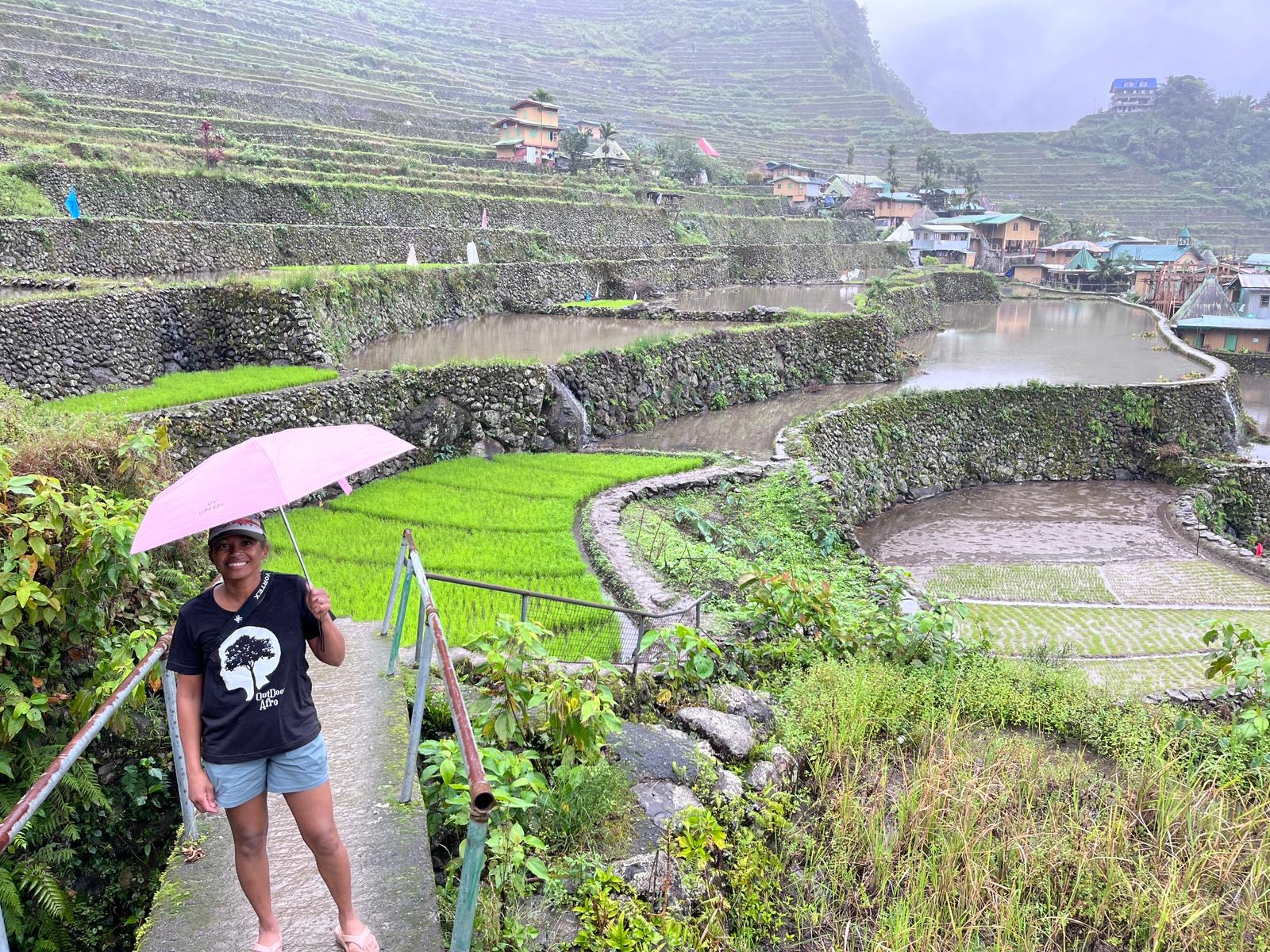
Outdoor Afro Volunteer Leader Spotlight: Meet Chantell Murphy
At Outdoor Afro, our volunteer leaders play a vital role in shaping their local communities. We recently had the pleasure of sitting down with Chantell Murphy, one of our dedicated Volunteer Leaders, to hear more about her journey with Outdoor Afro. In this Q&A, Chantell shares her personal experiences with Outdoor Afro’s Volunteer Leadership Program, the impact volunteering has had on her, and why she encourages others to get involved. Here’s what she had to say:
Q: Why did you join the program? What motivated you to become a volunteer leader, and what made you excited about the opportunity?
I was excited to become a volunteer leader with Outdoor Afro so that I can meet other Black people who like to spend as much time outside as I do. I was really excited to plan new adventures and go to places that I’ve never been before.
I live in New Mexico and there are just so many places to explore. And I usually don’t want to go by myself. And so, I kind of have this ready-made community, ready to go on adventures, ready to try new things.
And Outdoor Afro is just such an amazing organization because it encourages us to do that. I think it’s really easy for people to get behind the mission and, you know, we’re cultivating a sense of community and belonging and we’re just really having a lot of fun.
Q: What was your favorite moment or experience during your time as a volunteer leader? Can you share a specific story or moment that stood out to you and made your experience memorable?
I’ve been a volunteer leader for about a year now, and I’ve had so many fun experiences and great memories. I would say one that really stands out is our big fish event. So last year, I organized a fly fishing event in the Jemez Mountains with the National Park Service there. And I was pretty excited for this event because I’ve never fly-fished before, but I’ve always wanted to. And so this event was really well organized. It started with an indoor component, kind of the classroom session where we would learn about the different types of fish, what fly fishing is, what the different rods are.
And then we got to practice inside with indoor friendly rods. And then this latter half of the day, we were gonna go out into the backcountry and learn how to fly fish in the river. Everything was organized. We didn’t have too many people who signed up, but that’s okay. But it ended up being an incredibly cold day.
It snowed. There was ice everywhere. I still went out. My dad came, and then our other outdoor leader in Albuquerque came up. And we ended up having a really great indoor session.
We were able to ask a lot of questions about the type of fish that get stocked in different areas, talked about invasive species and what some different ideas are to get rid of the invasive species and let the native species of fish thrive. And so it ended up being just a really great experience. It was memorable because it just didn’t really work out the way that I had planned. But, you know, being flexible and kind of respecting nature, is really a big lesson and a big part of being an outdoor Afro leader, because, you know, because that is an integral part of of the experience is being out in nature and being able to pivot and not put people at risk just because you want to do something or just because you plan to do it in a specific way.
Q: What would you say to someone thinking about applying for the program? How would you encourage others to join and take part in this opportunity?
If you’re thinking about becoming a volunteer leader with Outdoor Afro, I highly recommend you do it. The organization is really well organized, and everything is done with a lot of intention. So that makes your role as a volunteer leader very easy and very meaningful. They’re consistent and clear. Everything’s done very transparently, so you’ll know everything from the branding to the types of partnerships that they encourage and even how to fill out the trip reports at the end of every activity.
I think everyone in the organization takes their role very seriously and with a lot of integrity. As a volunteer leader, you will never question whether or not you’re making an impact.
Q: What did you gain as a volunteer leader?
As a volunteer leader, I think I’ve gained so much. I’ve gained an amazing sense of community, and I’ve gained these new leadership skills that has cultivated a real sense of confidence in me. Everything from planning the event to making sure all of the details are really well thought out, including mitigating risk. These are really amazing skills to have to carry out into other parts of my life. I’ve gained a sense that I’m creating a real difference in my community, and that feels really positive.
Are you ready to lead, inspire, and make a difference in your community? The Outdoor Afro Volunteer Leader Program is more than just an opportunity to explore the outdoors—it’s a chance to grow, connect, and create lasting impact.
If you’re passionate about strengthening connections to nature and leading inclusive outdoor experiences, we want you on this journey with us. Learn more about our Volunteer Leadership program and how you can apply, or share this with someone who you believe would make an amazing Outdoor Afro Volunteer Leader!
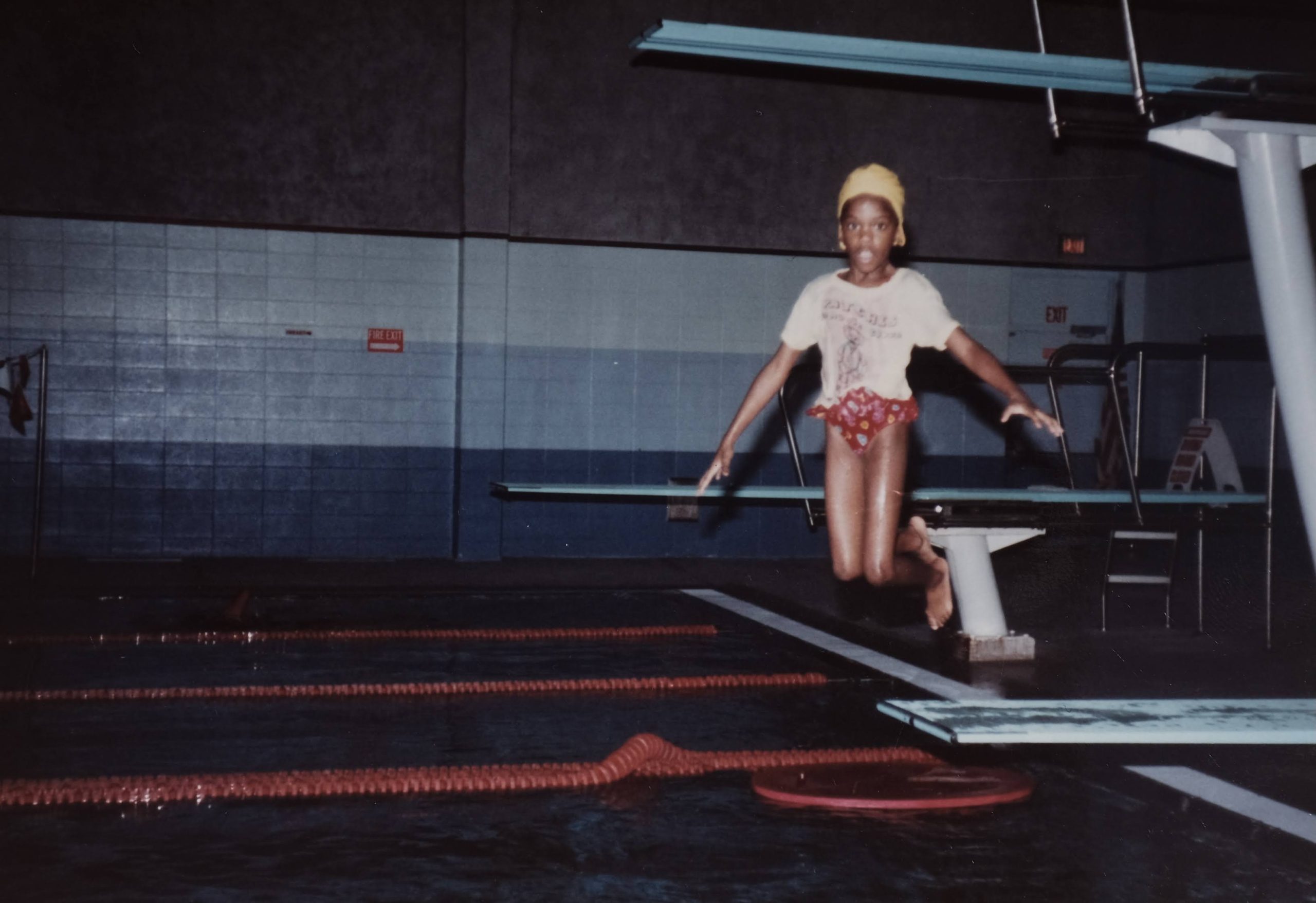
10 beginner swimming pointers from leader Mardi Fuller
As summer draws nearer, anticipation for beach, pool, and lake days grows. Nationwide, Outdoor Afro looks forward to time outside with family and friends – as well as the wonder of weightlessness and the joy of cooling immersion that the water provides. Our network is in constant pursuit of deeper connections to nature, bringing Black people together in community and water-focused activities. Black people have faced exclusion from public pools and beaches over the course of the 20th century. Swimming areas were segregated through the 1960s, and Black people did not benefit from the pools and swim clubs built in white neighborhoods either. This deliberate prohibition has resulted in a great disparity in who has access to swimming and water safety, and by extension, the many sports and activities for which swimming is a foundational skill. I like sailing, fishing, kite surfing, or water polo.
Outdoor Afro is working to change this through its Making Waves program, a program designed to help increase access to swimming for Black families across the United States. The program provides swim scholarships to children and their caregivers. Learning to swim is first about survival: knowing how to gauge safe swimming conditions, gaining water confidence, and moving efficiently in the water in a relaxed manner. Once achieved, swimming opens the door to a new world, truly, as 70 percent of the earth is covered by water. It has been called the best form of exercise because it’s easy on joints and builds muscle tone all over as the body works against the water’s resistance. I am fortunate to have had my mother take my brother and me to swimming lessons when I was around 3 years old.
My mom didn’t know how to swim and took classes at the same time. To this day, swimming is the exercise in which she finds the most ease, and it has helped her manage chronic pain. Swimming has been a refuge for me as well. As a kid, I was always happiest when playing in any body of water, and I participated in swim teams throughout childhood. I became a lifeguard and swim instructor in high school and college. These roles allowed me to be around the water and were some of the best paying jobs around. In adulthood, I now swim for exercise and injury management; I’ve swam in triathlons, and I still enjoy open water swimming. Above all, it’s always brought me massive joy. If you are a beginner swimmer looking to increase your water confidence and have more fun at the beach or pool this summer, here are my recommended tips to get started and build a rewarding lifelong relationship with water:
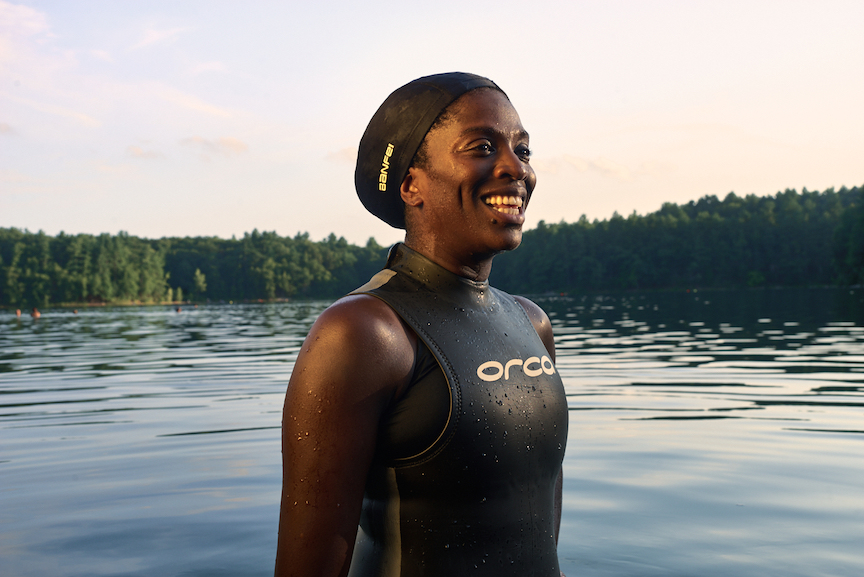
CHANNEL YOUR ANCESTORS. The most important thing for you to know about swimming is that you belong in the water; it is your heritage. Historically, West Africans were proficient swimmers at a young age. Swimming, boating, and fishing were integral to our cultural practice, including spiritual beliefs, economies, social structures, political institutions and worldviews. In Undercurrents of Power: Aquatic Culture in the African Diaspora, Professor Kevin Dawson’s research reveals how descendants of Africans demonstrated aquatic fluencies at home as well as while enslaved in the Americas. West Africans built and navigated the waters in dugout canoes. They spear fished. They evaded enemies by swimming. Reading this scholarship brought new meaning into my understanding of our powerful water-based legacy.
LEARN THE FUNDAMENTALS OF WATER SAFETY. Understanding the risks of being in and around water is the first step to becoming a strong and safe swimmer. Familiarize yourself with water safety tips from the American Red Cross, where you will find a national database of swim instruction available near you.
FLOAT ON. AND ON. AND ON. Once you’re comfortable in the water, floating is a survival technique as well as a restorative practice. You can float when you’re too tired to swim anymore, and you can float simply to relax and be present in your surroundings. Practice by laying on your back in shallow water with arms and legs extended. Have an experienced swimmer support you by standing next to you, gently placing a hand under your lower back. Press your hips to the sky. Cup your hands slightly, fingers together, and slowly move water towards your body, and then flip your hands and push water away. This is called sculling. Each body floats differently, depending on muscle mass, body fat percentage and your body’s surface area. Most people can’t float without some gentle movement, such as sculling or a gentle flutter kick. Practice and discover exactly how much movement it takes for you to float with ease.
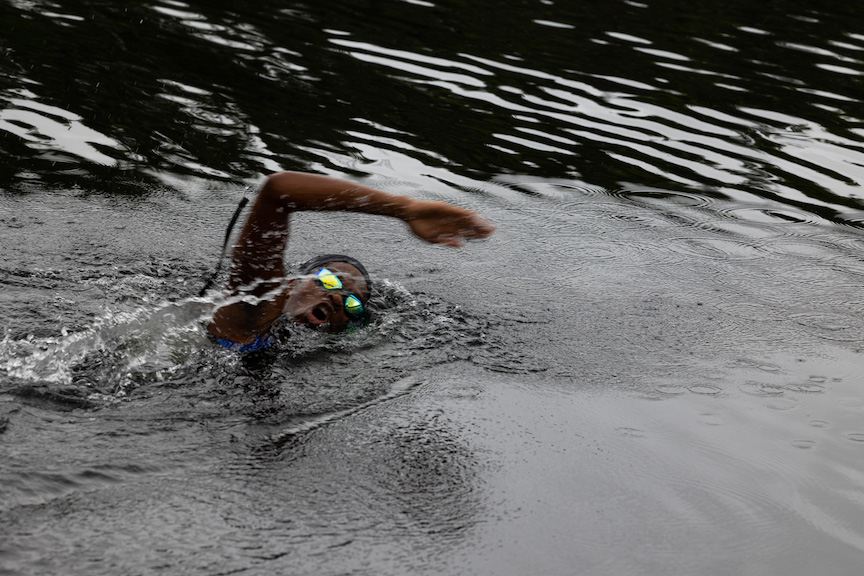
JUST BREATHE. After learning to float, your next priority is regulating your breath. Once you do so, the experience of swimming can be quite calming and beneficial to your overall health. Swimming increases lung capacity and breath endurance. Interestingly, one study compared swimmers’ lung capacity to that of elite football players and found that the swimmers had larger lungs and better cardiorespiratory function.
PRACTICE BLOWING BUBBLES. Swimming proficiently for any length of time requires putting your face in the water. You can try this at home. Fill a basin with water and get comfortable dunking your face right in. Whenever your face is in the water, you are always blowing air out of your nose and mouth – never holding your breath. After you’ve pushed the last drop of air from your lungs, lift your head out of the water and inhale through your mouth slowly. Repeat. As you gain comfort, practice turning your head to either side to inhale, as you will when you learn the crawl stroke or freestyle stroke.
TAKE A SHOWER. We are not trying to have damaged hair or dry, ashy skin. Not only is it good hygiene to rinse yourself off before going into a body of water, but also allowing your hair and skin to absorb fresh water means that your cells and follicles have less room to absorb damaging chlorine or salt.
TRY TO CREATE GOOD CONDITIONS FOR LEARNING. Your local YMCA, YWCA, or community pool will offer lessons for children and adults. Outdoor Afro even offers “Swimmerships™” (swim lesson scholarships) through its Making Waves program. If you have options, shop around and find an instructor you’re comfortable with and in a supportive learning environment at that. It can feel hard to try to learn a new skill as an adult, too. Settle into a mindset in which you’re patient with yourself and open to learning and growth. Find a bathing suit you feel good in. Check out Black-owned soulcap.com for swim caps designed to fit our various hairstyles and hair volumes. Get a pair of swim goggles to protect your eyes from chlorine and to make it quicker to transition between being above and under the water.
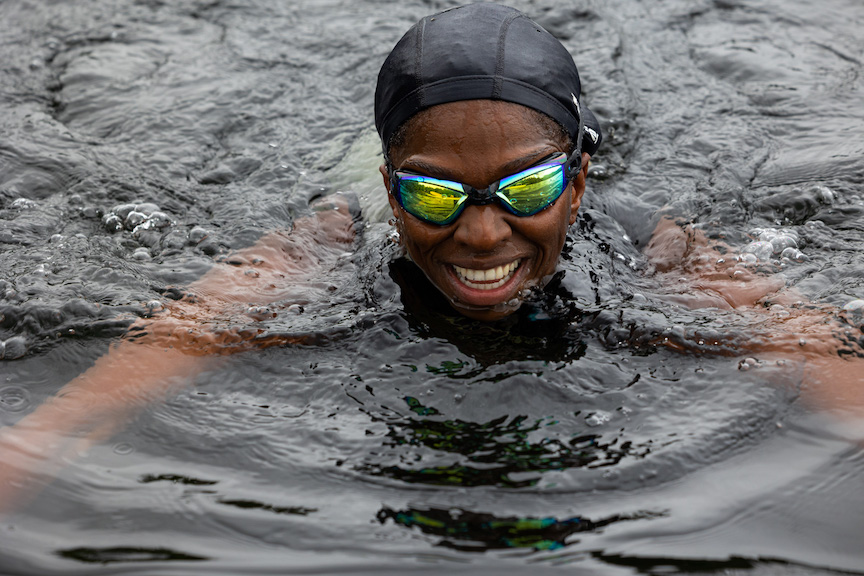
WEAR FINS. When you’re practicing on your own, fins are a great support to use to learn how to kick. When you kick with fins your body naturally executes a flutter kick emanating from your core and hips. It’s easy for beginners to want to bend their knees to kick – a motion which will get you nowhere.
AVOID FLOATATION DEVICES. You will find varying opinions on this, but my opinion is that flotation devices are important for safety on open water, but while learning to swim, they can provide a false sense of security. Children who wear floatation devices often feel overconfident in deep water before they are truly able to keep themselves safe at that depth. Wearing a floatation device may tempt a new swimmer to not pursue stronger skills. Better to stay within a swim area where you can stay safe. Progress to deeper water as your skills advance.
DON'T STOP PRACTICING. Learning how to swim takes consistency – some estimate it takes 75-100 hours of lessons and practice to become proficient. It may take five years of swimming once or twice a week to become a comfortable lap swimmer, but you’ll become strong enough to be safe and enjoy yourself well before that. And of course, have fun! Find your own water joy, whether it is the peace and quiet that comes from ducking underwater, riding waves in the ocean, or floating for relaxation. Or picking up a sport like stand-up paddle boarding or windsurfing. Oh! And don’t forget to bring a friend or family member along with you.
Underwater, action shots by Joe Klementovich: @klementovitch; portrait shot by Philip Keith: @philipckeith_