Birdwatching in Minneapolis Parks
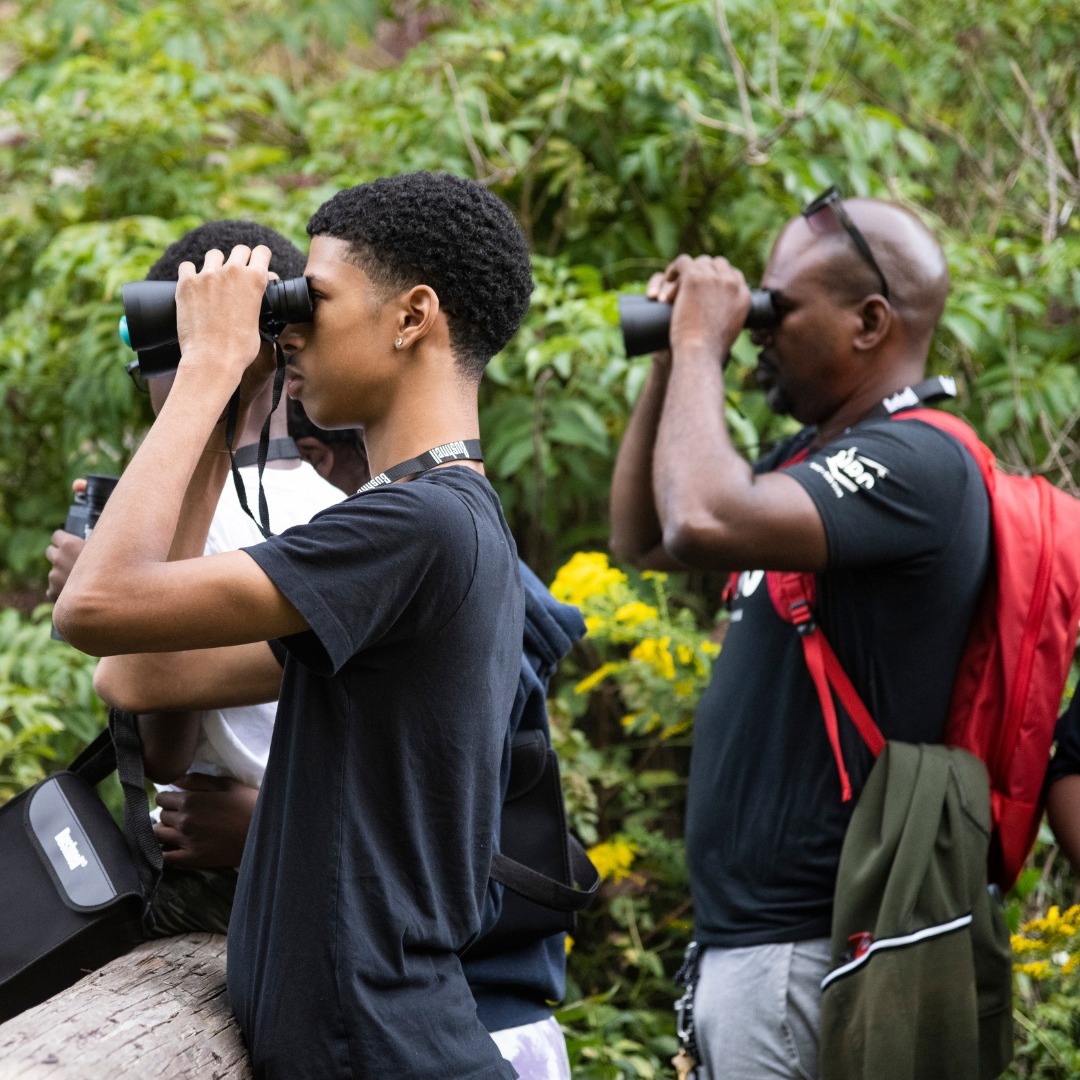
Minneapolis is a hidden gem for birdwatchers. With over 180 parks and green spaces nestled throughout the city, you don’t have to go far to spot something special.
From the sound of robins at sunrise to herons gliding across urban lakes, the Twin Cities are full of birding surprises. Whether you're an experienced birder or brand new to wildlife watching, these parks offer rich opportunities to observe nature up close.
Top parks for birdwatching in Minneapolis:
🦆 Theodore Wirth Regional Park – With wetlands, woods, and open water, this park draws a wide range of species.
🐦 Minnehaha Regional Park – A scenic spot for catching migratory birds near the falls.
🪶 North Mississippi Regional Park – A quiet favorite for birders, especially during spring and fall migration.
Bring a pair of binoculars and your nature journal to jot down the birds you spot, their colors, calls, and behaviors. Apps like Merlin or Audubon can help you ID species on the go.
Whether you’re looking for a peaceful solo activity or a new hobby with your kids, urban birdwatching in Minneapolis makes nature more accessible, one bird at a time.


Yoga in Nature: Mindful Movement in Atlanta’s Green Spaces
Move, Breathe, and Be Outdoors
Taking your yoga practice outside may sound simple, but it’s a powerful way to connect with nature and yourself. From Piedmont to Grant Park and the BeltLine, Atlanta’s parks are beautiful and welcoming spots to lay down your mat and tune in to nature.
Why Practice Yoga Outdoors?
Practicing yoga in nature can help you feel more grounded and present. The sounds of wind, birds, and rustling leaves offer a calming backdrop that studios can’t replicate. Plus, it’s a great reminder that wellness doesn’t have to be confined to four walls—sometimes grounding in nature is just what the mind and body needs.
A Community Practice
Many local instructors offer donation-based or free outdoor sessions that center Black wellness and joy. These gatherings are often open to all levels and celebrate community over competition. You don’t need to be “flexible” or experienced—just open to showing up.
What to Bring
A yoga mat or towel, water, and sunscreen are all you need. Some folks prefer to go barefoot to really feel the earth beneath them—this is often called grounding or earthing, which is the practice of connecting your bare feet to the earth. Most outdoor classes take place in the morning or early evening when temperatures are cooler.
Find a Flow That Feels Good
Whether you’re stretching solo or joining a group, yoga outdoors is a chance to breathe deeply, reset, and be fully present. It’s not about perfection—it’s about pausing to care for yourself and connect with nature.
Community Gardening in Austin: Cultivating Connection and Culture
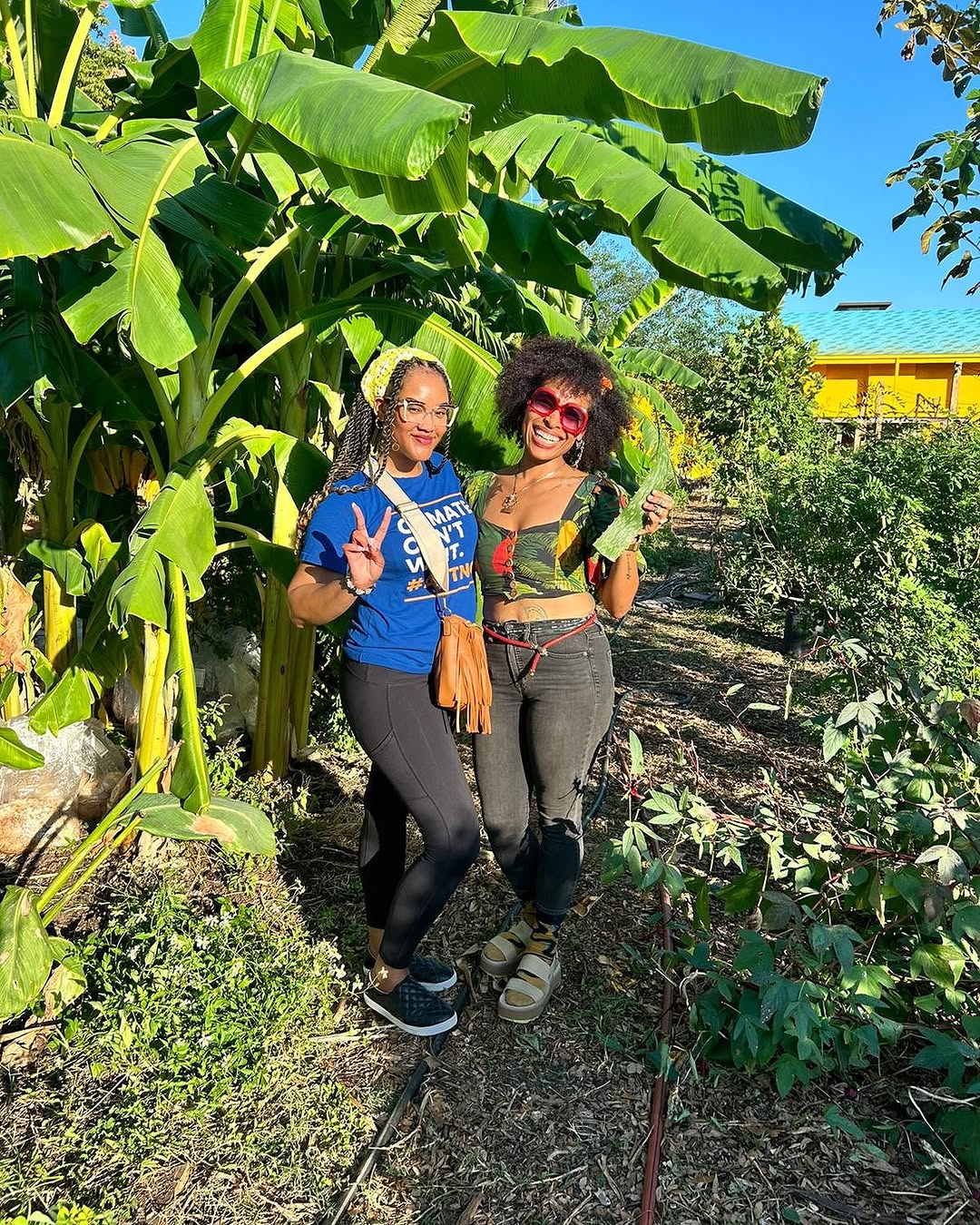
In Austin, community gardens are more than places to grow food—they’re places to grow culture, connection, and empowerment.
From East Austin to South Congress, these shared spaces bring people together to exchange stories, heritage, and homegrown wisdom. For many Black families and individuals, gardening is a form of ancestral reclamation—a way to reconnect with the land and each other.
What makes Austin’s community gardens special?
🌱 Fresh herbs, veggies, and native plants grown with intention
🫱🏾🫲🏿 Gardening workshops and education rooted in food justice
🧺 Community potlucks, seed swaps, and intergenerational learning
Community gardening isn’t just about what’s planted in the soil—it’s about what’s nurtured in the heart. These spaces uplift traditions and foster empowerment through shared experience, all while supporting local food systems and sustainability.
If you’re in Austin and looking to get involved, visit your local garden or volunteer through organizations working to center BIPOC voices in food and farming.
Pioneering Black Leaders in Portland
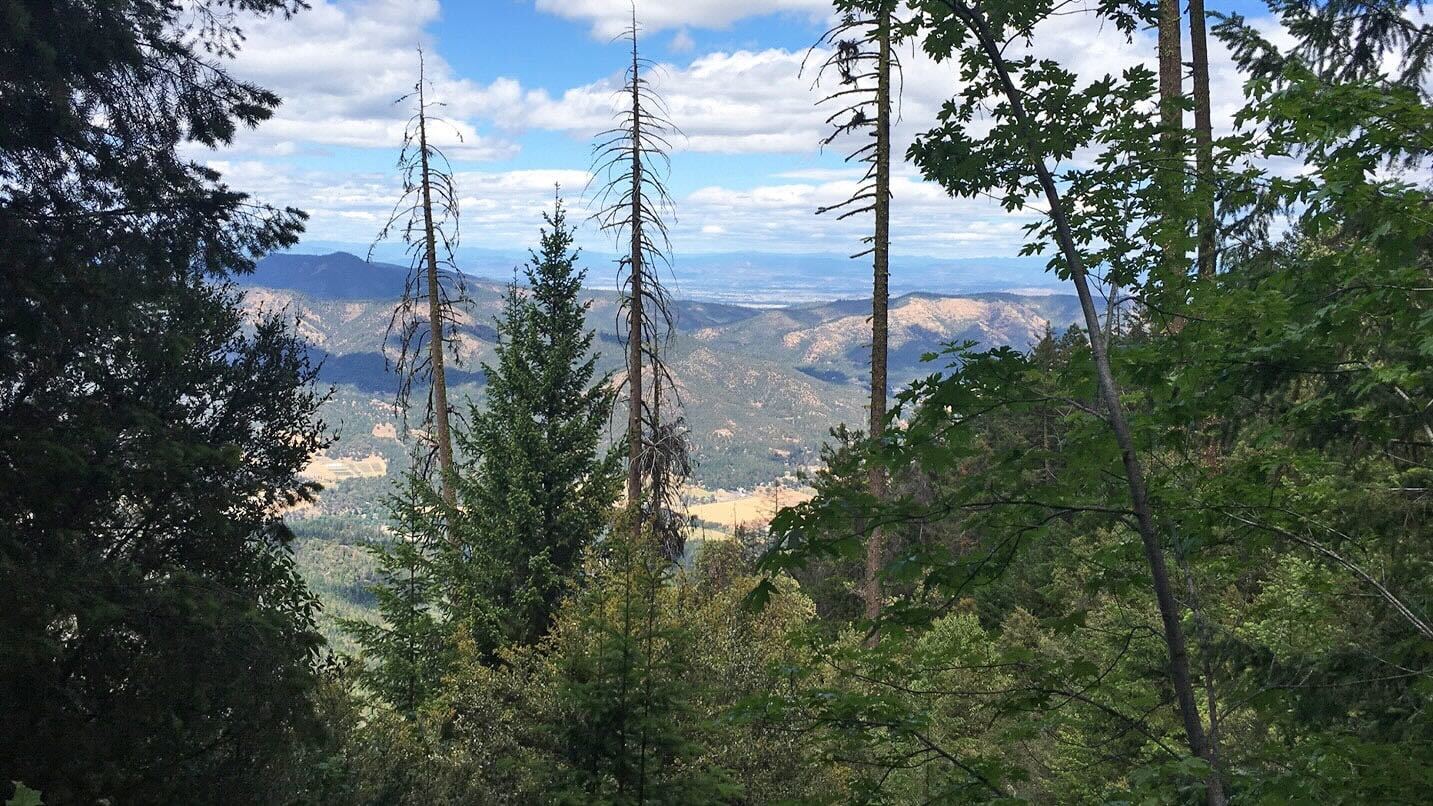
Portland, Oregon, a city known for its lush green spaces and vibrant culture, holds a rich and often overlooked history tied to Black pioneers and leaders. While enjoying its natural beauty, visitors can also connect with the significant contributions of the Black community.
Here's a glimpse into that history:
Early Presence:
- Black individuals were present in the Oregon Country from its earliest days, participating in trading expeditions and contributing as skilled laborers.
- It is important to remember that the history of black oregonians, goes back to the earliest explorations of the pacific northwest.
The Albina District
- The Albina District in North and Northeast Portland stands as the historic heart of the city's Black community.
- This area became a center of Black culture, business, and community advocacy, particularly after World War II, when a significant influx of Black workers arrived to support wartime industries.
- It is important to understand that redlining and other racist housing practices, forced many black citizens into the albina district.
Key Figures and Landmarks
- Recognizing the contributions of Black leaders is crucial. For example, Verdell Burdine Rutherford Park, named after a local Black leader, honors her work in advocating for civil rights, including her work towards the Public Accommodations Act of 1953.
- Learning about the history of the Black United Front, and their work in the Portland area, is also very important.
Continuing Legacy
- Today, Portland's Black community continues to shape the city's cultural landscape through art, music, and activism.
- Organizations like The Numberz, work to spotlight Black stories, voices, and music.
By acknowledging and appreciating these connections, you can gain a deeper understanding of Portland's history and the enduring legacy of its Black residents. This enriched perspective adds another layer of meaning to the experience of exploring the city's national parks and landmarks.
Uncovering Arkansas's Black History in National Parks and Landmarks
Arkansas's natural beauty and historical significance are undeniable, drawing visitors from across the globe to its national parks and landmarks. But beyond the scenic vistas and preserved battlefields lies a rich, often overlooked, history of Black pioneers, leaders, and their enduring contributions. Exploring these sites with a deeper understanding of this legacy will enrich your experience and foster a sense of shared pride.
Little Rock Central High School National Historic Site
This iconic landmark isn't just a symbol of the Civil Rights Movement; it's a testament to the courage and resilience of the Little Rock Nine. Their bravery in the face of intense opposition paved the way for desegregation and remains a powerful reminder of the ongoing struggle for equality. Visiting the site allows you to walk in their footsteps and understand the profound impact of their actions.
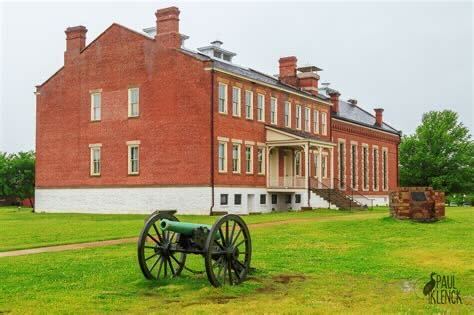
Fort Smith National Historic Site
While known for its frontier history, Fort Smith also holds stories of Black soldiers who served in the U.S. Army after the Civil War. These "Buffalo Soldiers" played a crucial role in maintaining order and protecting the western frontier. Explore the fort's grounds and learn about their contributions to the region's development.
Hot Springs National Park
Though often associated with its therapeutic waters, Hot Springs also has a vibrant Black history. Black entrepreneurs established businesses and contributed to the city's cultural life. Consider researching the history of the Black-owned hotels and bathhouses that once thrived in the area.
Arkansas Post National Memorial
While exploring the historical significance of the Arkansas Post, it is important to remember the enslaved Africans who were brought to the area during the colonial period. Their forced labor shaped the region's early economy and development. Further research into the agricultural history of the area can illuminate this aspect of the past.
By seeking out these stories, you can gain a more complete and nuanced understanding of Arkansas's history. This exploration fosters a sense of shared heritage and encourages continued appreciation for the state's national parks and landmarks. It is essential to remember and honor the contributions of Black Arkansans, ensuring their stories are woven into the fabric of our collective memory.