
Stargazing Hotspots in New Mexico's High Desert: An Albuquerque Guide
The clear skies of New Mexico offer some of the best stargazing in the country. With high elevation, dry air, and minimal light pollution, the Albuquerque region is perfect for viewing celestial wonders. Here are the top spots to experience the magic of New Mexico's night sky.
Best Viewing Locations
Sandia Mountains
Located just east of Albuquerque, Sandia Crest sits at 10,678 feet and provides spectacular views of the Milky Way and planets. Access via Sandia Crest Scenic Byway (NM 536). Bring extra layers—it's significantly cooler at the top!
Valles Caldera National Preserve
About 90 minutes from the city, this vast volcanic caldera offers truly dark skies. The Valle Grande overlook is particularly stunning, with ranger-led night sky programs available in summer.
Cibola National Forest
For a quick escape, try Doc Long or Sulphur Canyon Picnic Areas in the Sandia Ranger District, just outside the city's eastern edge. Perfect for spotting major constellations without a long drive.
When to Go
- Summer: Best views of the Milky Way's galactic center
- August: Perseid meteor shower (dozens of "shooting stars" per hour)
- New Moon periods: Darkest possible skies
What to Bring
- Red flashlight (preserves night vision)
- Warm clothing (even summer nights get chilly)
- Folding chair or blanket
- Binoculars (optional)
- Star chart or astronomy app
Cultural Connection
The night skies over New Mexico have inspired wonder for thousands of years. Many sites around Albuquerque contain petroglyphs and structures aligned with celestial events, connecting you to generations who have gazed at these same stars.
Remember to check current conditions and regulations before visiting any location.

Nature's Classroom: Environmental Education in NorCal's Parks
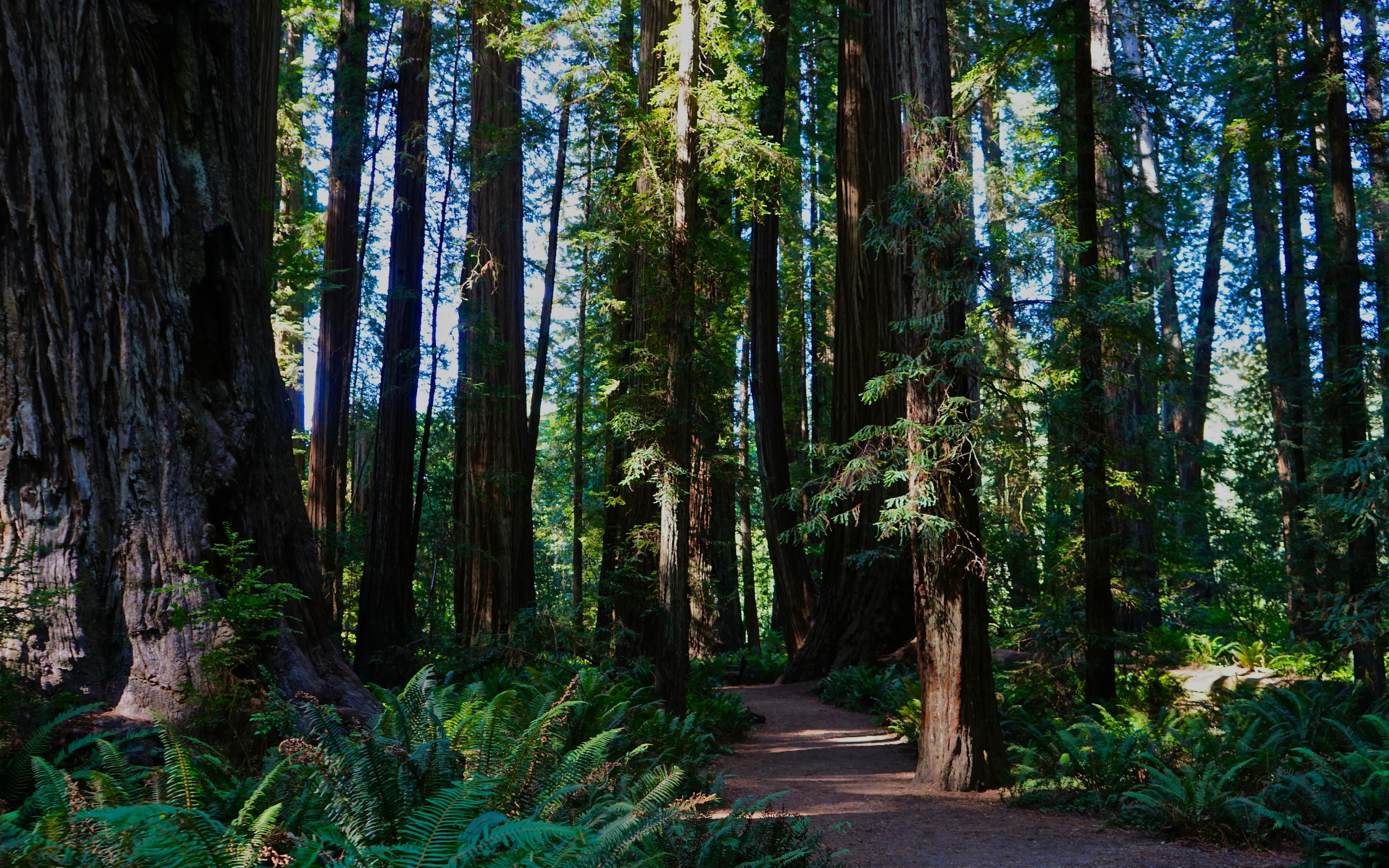
Northern California is home to some of the most biodiverse and breathtaking natural spaces in the country—and it’s also a hub for environmental education. From towering redwoods to coastal wetlands, the region offers countless opportunities to learn while spending time outdoors.
Local organizations and park systems have created programs that make ecology, conservation, and climate science accessible to all ages. Think guided nature walks where you learn how native plants support pollinators, or community science projects where you can track bird migrations or water quality.
Whether you’re joining a structured class or taking a self-led hike with a field guide in hand, NorCal’s parks turn outdoor time into meaningful, eye-opening experiences. Bring your curiosity (and maybe a notebook), and let nature do the teaching.

Kayaking the Potomac: A Historical Perspective
There’s more to the Potomac River than peaceful paddling and scenic shorelines—this waterway also flows through centuries of history. As you kayak along its winding path, you’re tracing the edges of a story that includes African American resilience, activism, and community.
Near Washington, D.C., the riverbanks have witnessed marches, served as trade routes, and provided quiet refuge. Several guided kayaking tours now pair the natural beauty of the river with conversations about local Black history, including nearby landmarks tied to civil rights movements and historically Black neighborhoods.
Whether you're a first-time paddler or a seasoned kayaker, the Potomac invites you to move through the water with both mindfulness and purpose.
Hiking the Rockies: Trails Near Denver
The Rockies call—and Denver is the perfect home base to answer. Nestled near some of Colorado’s most iconic landscapes, the city offers easy access to a wide range of hiking trails that combine stunning views with immersive lessons in local ecology. Whether you're a seasoned hiker or just getting started, these trails provide the perfect opportunity to stretch your legs, breathe in that crisp mountain air, and learn more about the ecosystems that make this region so special.
1. Chautauqua Park – Boulder
Just about 40 minutes from Denver, Chautauqua Park is a gateway to the Flatirons—those slanted sandstone slabs you’ve probably seen in Colorado postcards. The trails here vary from beginner-friendly strolls to more challenging ascents. Along the way, you’ll spot ponderosa pines, wildflowers in the warmer months, and plenty of birds, butterflies, and bees doing their thing. Interpretive signs along some trails highlight native plant species and geological history.
2. Mount Falcon East Loop
Only 30 minutes from the city, this scenic loop in Morrison offers panoramic views of Red Rocks Amphitheatre and downtown Denver in the distance. The trail is a local favorite for both its beauty and its educational value. Hikers can explore the ruins of a historic stone house while learning about early conservation efforts in the region. Watch for mule deer, hawks, and the occasional fox.
3. South Valley Park
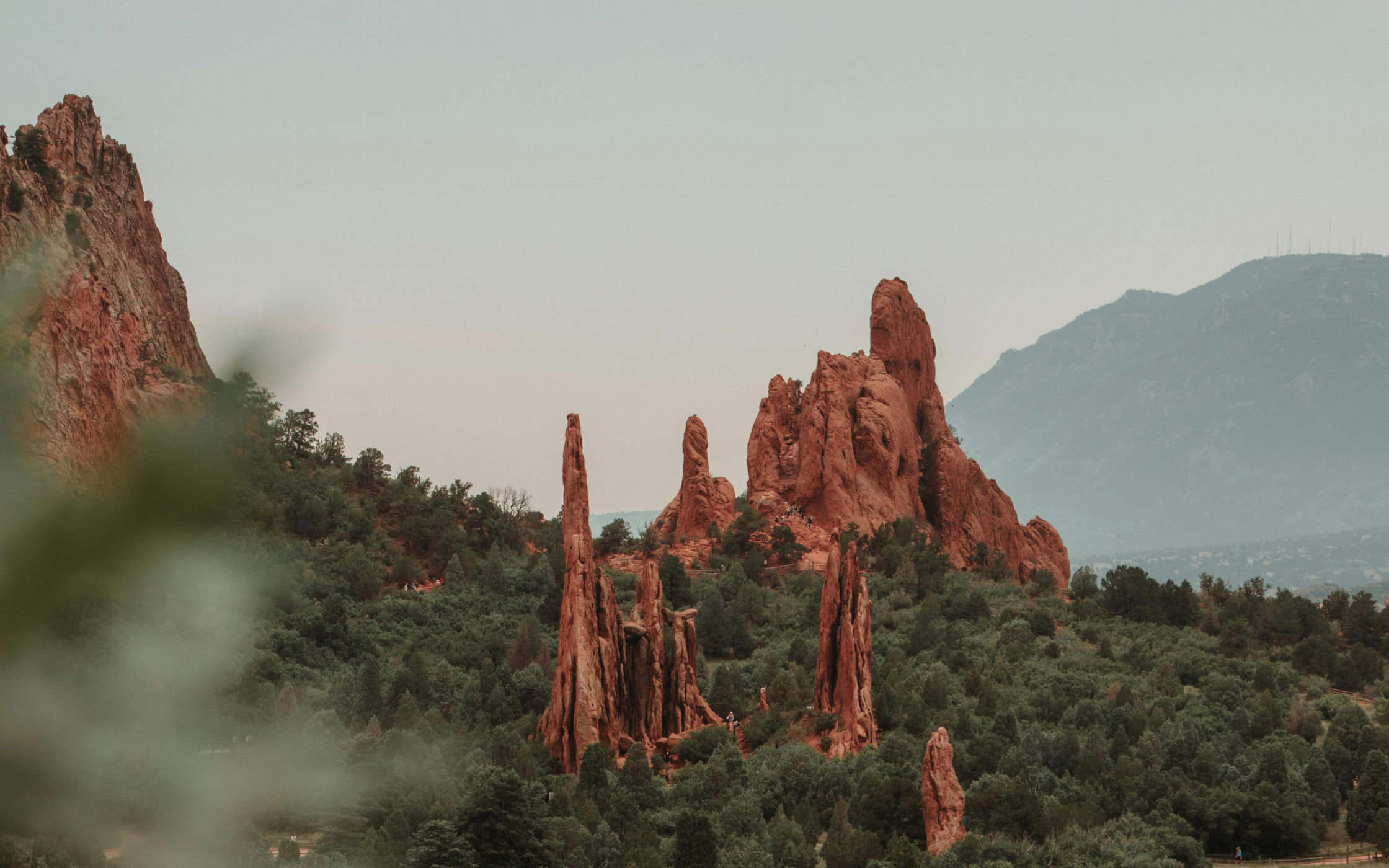
This lesser-known gem in Littleton is a great option for a mellow hike with big payoffs. The red rock formations here are reminders of the area's ancient geological history, and the gentle trails wind through scrub oak, prairie grasses, and wetlands. It's a great spot for birdwatching and nature journaling, especially in the early morning hours.
4. Bear Creek Trail at Lair o’ the Bear Park
If you’re looking for a trail that follows water (and who isn’t?), this one’s for you. Shaded paths run alongside Bear Creek, creating a peaceful environment for spotting riparian plant life and listening for the calls of songbirds. It’s also a great option for families or anyone wanting a shorter, more relaxed outdoor experience.
Cycling the Scenic Trails of Grand Rapids
Grand Rapids offers a fantastic array of biking trails, each offering a unique way to experience the natural beauty of the area. Whether you’re a casual rider or a cycling enthusiast, these trails provide a perfect blend of scenic views, wildlife encounters, and outdoor enjoyment.
Fred Meijer White Pine Trail
This 93-mile trail is a must for any cyclist looking to experience the beauty of Michigan’s diverse landscapes. From dense forests to expansive wetlands, the trail winds through a variety of ecosystems, making it an exciting ride for nature lovers. Keep an eye out for wildlife, including deer, birds, and small mammals, as you pedal along this peaceful, picturesque route.
Kent Trails
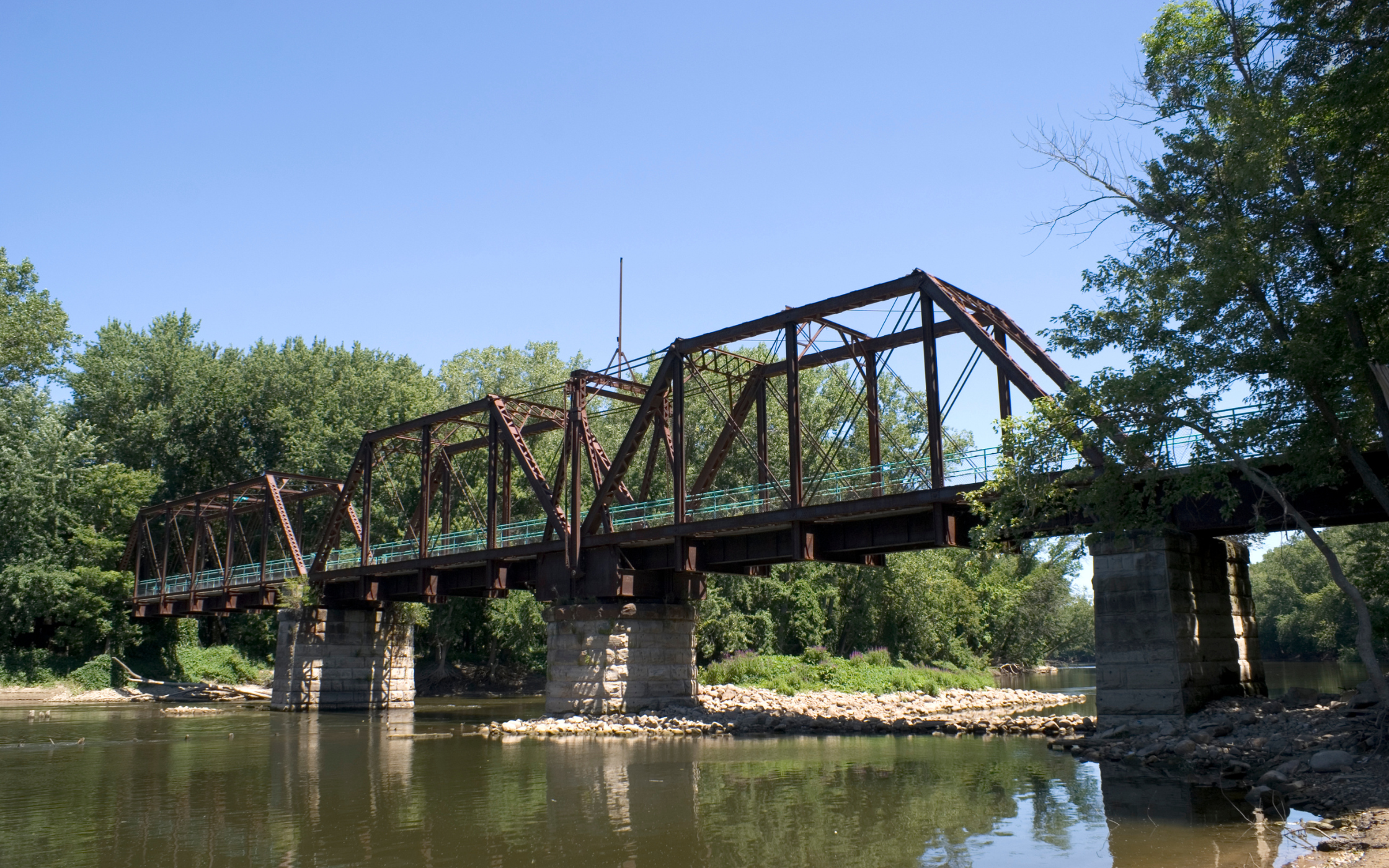
Located closer to the city, Kent Trails offers a more urbanized ride that still connects you with nature. The trail meanders along the Grand River, offering beautiful riverfront views, and passes through parks and green spaces that showcase the city’s commitment to sustainability. This is a great trail for those looking for a convenient, scenic ride with easy access to Grand Rapids’ downtown.
Grand River Trail
For a relaxed cycling experience with stunning views, the Grand River Trail is a perfect choice. Following the river for several miles, this trail offers plenty of opportunities for birdwatching and spotting local flora and fauna. Whether you're cycling for fitness or enjoying a leisurely ride, this trail is a great way to explore the natural beauty of the river and surrounding landscapes.
Pro Tip: Make sure to bring water and a small picnic, especially if you’re planning to take a break at one of the many scenic spots along the trails!
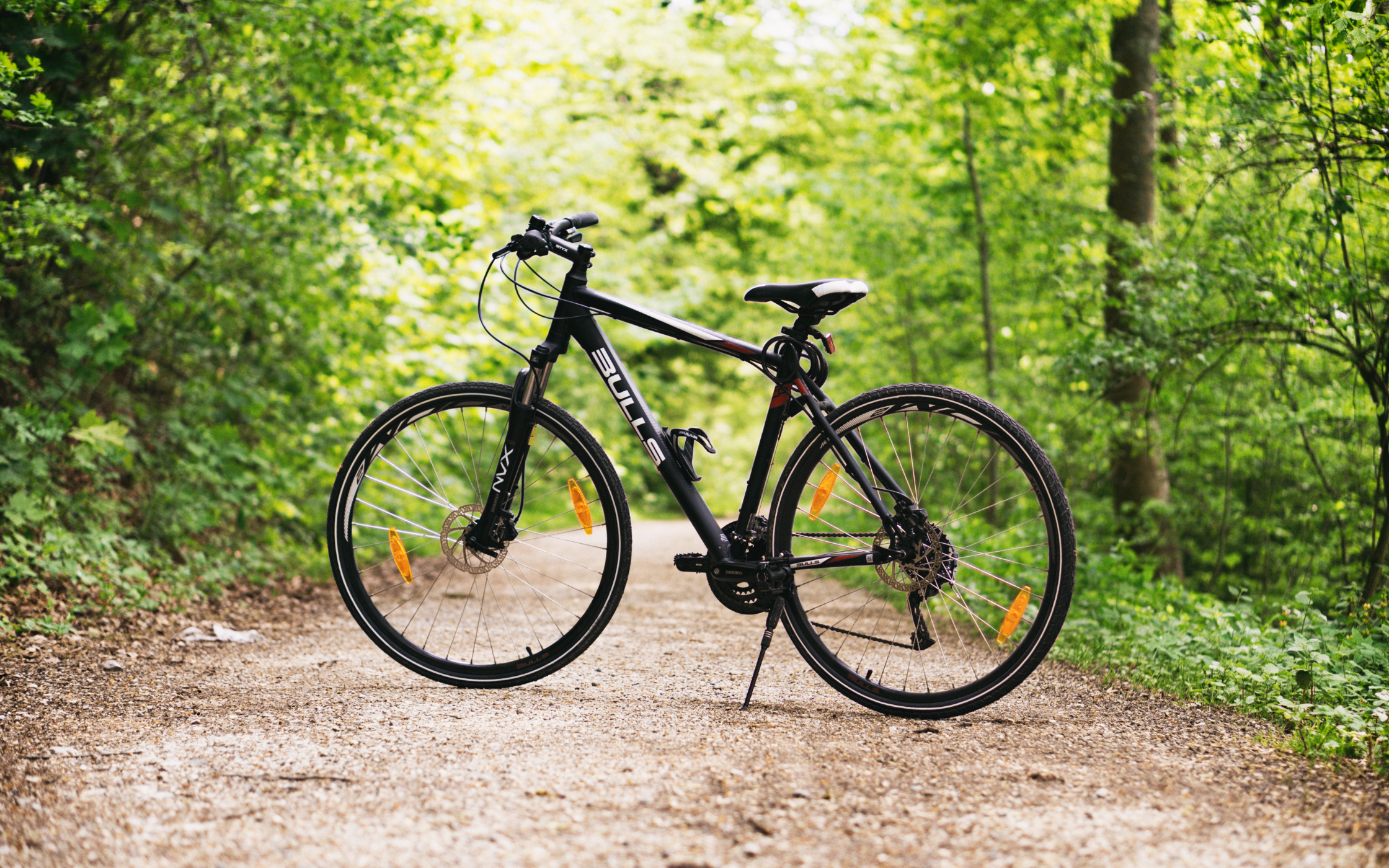
Cycling the Louisville Loop
If you’re looking for a way to move your body, explore your city, and connect with nature—all in one ride—Louisville’s got the trail for you. The Louisville Loop is a 100-mile multi-use path that winds its way around the city, linking neighborhoods, parks, and natural areas. It’s one of those rare places where urban living and wild beauty meet, and it’s perfect for cyclists of all levels.
Whether you ride a few miles or go for the full loop, the route offers scenic views, riverside stretches, and access to green spaces like The Parklands of Floyds Fork and Shawnee Park. Along the way, you’ll see everything from songbirds to sycamores, depending on the season—and if you take your time, the Loop becomes more than a ride. It becomes a way to notice the rhythms of the natural world right where you live.
This is also a great ride for learning. You’ll encounter interpretive signs that teach you about the area’s ecosystems, local history, and native species. Try pairing your ride with a nature journaling prompt or a plant ID app—you’ll be surprised by how much you can learn just by slowing down and looking closely.
Tips for Riding the Loop:
- Start small. Try a 5-10 mile section before tackling longer routes.
- Go early or late. Cooler times of day make for a more comfortable ride.
- Pack water and snacks. And don’t forget sunscreen!
- Invite a friend or family member. Riding together builds community and makes the journey even more fun.
So whether you’re commuting, exercising, or just enjoying the breeze on your face, the Louisville Loop is a reminder that adventure—and education—are just a bike ride away.

Ways to Bring Nature Into Your Home
You don’t have to live in the forest to feel connected to nature. With a few thoughtful choices, your home can become a calming, nature-inspired space that supports your wellness, invites curiosity, and reminds you of your connection to the Earth.
Here are a few easy and meaningful ways to bring the outdoors in—no matter where you live.
🌿 Add a Few Plants (Or Start a Windowsill Garden)
Houseplants are an easy and powerful way to improve air quality and mood. Try low-maintenance options like pothos, snake plants, or peace lilies if you're just getting started.
For those with a little more sun, consider growing herbs indoors—basil, mint, and thyme thrive in small pots on a sunny windowsill. It’s a simple step toward urban gardening and supports your relationship with food and the growing process.
🪵 Use Natural Materials
Surrounding yourself with textures from the Earth—wood, stone, clay, cotton, or wool—can ground your space and make it feel more alive. Try a wooden bowl for fruit, linen napkins at the table, or a jute rug beneath your feet. Even small touches bring warmth and calm.
📚 Read Nature-Inspired Books or Art
Fill your shelves with books that celebrate the outdoors—memoirs, poetry, or field guides. You can also decorate with nature art or photographs that remind you of your favorite place to hike, swim, or just breathe.
📝 Start a Nature Journal—From Inside
You don’t have to be outside to observe the natural world. Try sketching a leaf you found on a walk, jotting down moon phases, or noticing how the light changes through the seasons. This simple ecological education practice builds mindfulness and appreciation.
Bringing nature into your home is about slowing down and noticing. These simple shifts can transform your space into a refuge—one that supports your well-being and keeps you rooted, even when you're indoors.

Nature's Classroom: Hiking Trails Around Cookeville
If you're in or around Cookeville and looking for a way to unwind, reconnect, or just get a little fresh air, you’re in luck—this area is packed with trails that feel like a nature class you actually want to attend.
Let’s start with a favorite: Burgess Falls State Park. It’s got dramatic waterfalls, sure—but also some seriously beautiful scenery for anyone who likes to pause, observe, and maybe jot a few things down. We’re talking moss-covered rocks, birds flitting through the canopy, and plenty of spots to sit and take it all in.
If you want something a bit more low-key, Cane Creek Greenway is a solid pick. The paved path is great for a slow walk (or a stroller-friendly family outing), and you can still spot wildflowers, turtles, and the occasional deer. It's the kind of place where a short stroll somehow turns into a full-on nature moment.
Here’s a fun idea: next time you head out, bring a tiny notebook—or just open your phone’s notes app—and try nature journaling. No pressure. Just write what you see, hear, or feel. The crunch of leaves, the shape of a shadow, or the sound of a woodpecker doing its thing—it all counts.
Hiking near Cookeville isn’t just about getting your steps in. It’s a chance to slow down and remember that nature has a lot to say—if we’re paying attention.
Want to turn your next hike into a journaling adventure? Try noting:
- 3 things you see
- 2 things you hear
- 1 thing you feel
That’s it. Simple, grounding, and surprisingly powerful.

How to Start Birdwatching (Even if You Don’t Know a Sparrow from a Chickadee)
You don’t need to buy fancy binoculars, have a field guide, or even know a cardinal from a crow to start birdwatching. All you need is curiosity... and maybe a few moments of quiet.
Birdwatching (or birding) is a great way to connect with nature, whether you’re in your backyard, on a city street, or walking a trail. It’s accessible, calming, and beautiful.
Here’s how to get started, no experience required:
👀 Just look up. Spend five quiet minutes outside. What do you see? What do you hear?
📱 Try a bird ID app. Free apps like Merlin or Audubon Bird Guide can help you recognize common species.
📝 Start a casual bird journal. You don’t need to know names—just jot down what you observe: color, sound, size, or where you saw it.
🌿 Notice the patterns. Are certain birds more active at specific times of day? Do they return to the same tree?
Birding is a practice in paying attention. The more you watch, the more you’ll see. And as your awareness grows, so does your connection to the natural world around you!
This beginners guide is perfect for first-time birdwatchers, families with kids, or anyone wanting to build a deeper relationship with local ecosystems—no expertise needed.

Urban Foraging in Atlanta: Connecting with Nature and Heritage
Rediscover the Land, One Leaf at a Time
Atlanta’s green spaces are full of surprises, especially when you start to look at them through a foraging lens. From winding trails in Cascade Springs Nature Preserve to pockets of greenery along the BeltLine, urban nature has a lot to offer for anyone interested in foraging.
Foraging as a Cultural Practice
For generations, Black communities have relied on the land for food, medicine, knowledge, and connection. Foraging wasn’t just a survival skill—it was a way of life, rooted in tradition and deep respect for nature. Today, more people are reconnecting with these practices as a way to nourish both body and spirit.
What Can You Find in Atlanta?
Common finds include:
- wild onions
- muscadine grapes
- blackberries
- dandelion greens
- and even edible mushrooms! 🍄⚠️
It’s important to note, however, that beginners should stick with expert guidance before harvesting anything, especially fungi. Local parks like Constitution Lakes, the South River Trail, and Arabia Mountain are great starting points for those just starting out and looking for guidance.
Getting Started Safely
If you're new to foraging, here are some safety tips to keep in mind:
- Go with a knowledgeable guide or join a local walk.
- Use a field guide, and always double-check what you’re picking.
- Take only what you need, leave the space better than you found it.
- Be sure you’re in an area where foraging is allowed.
Bringing It All Back Home
Whether you’re gathering wild herbs for tea or learning about edible roots from a community elder, urban foraging is a chance to slow down and reconnect with the land, your heritage, and your environment.