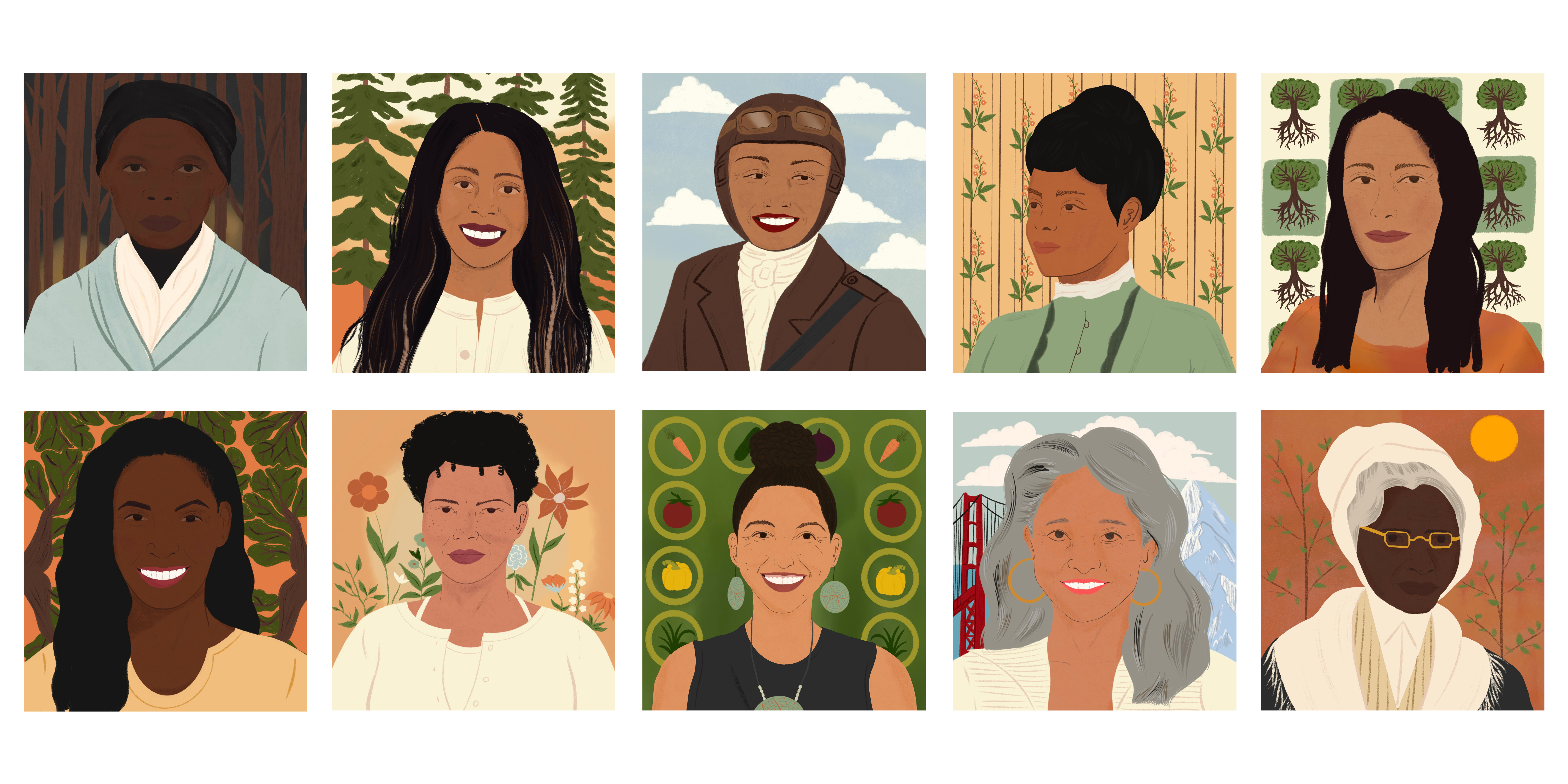
10 Black outdoorswomen who nourish our ‘Nature Swagger’
Some are the “first” in their outdoor odysseys. All are fearless in their historical nature experiences. For Women’s History Month 2023, Outdoor Afro wanted to acknowledge a few female inspirations and contributors of new book “Nature Swagger” by Rue Mapp in collaboration with American publisher Chronicle Books. As founder and CEO of Outdoor Afro, Mapp has transformed her kitchen table blog into a now national not-for-profit organization that celebrates and inspires Black connections and leadership in nature. Since this year’s monthlong theme is “Celebrating Women Who Tell Our Stories,” Mapp’s newest coffee table read sets a natural scene to appreciate those wilderness women who have – and still are – strengthening relationships to land, wildlife, and waterways.
“Nature Swagger” published November 2022 and documents original stories, photographs, and spotlights from Outdoor Afro volunteer leaders, related organizations, and prominent Black outdoor influencers Mapp has collaborated with personally and professionally throughout her outdoor industry adventures. “It was important to tell the story of the people and their special places that not only informed my own connection to nature,” said Mapp, “but of the many people I have had the pleasure of getting to know over the past decade.” The book elevates the fact that being Black isn’t a singular experience. Instead, reflective of region, age, personal history, and more, said Mapp. “‘Nature Swagger’ includes stories of individuals who anyone can relate to or who might remind us of family and friends. I want readers to be inspired and see nature from many perspectives, thinking broadly of what connections to the outdoors can look like for anyone.”
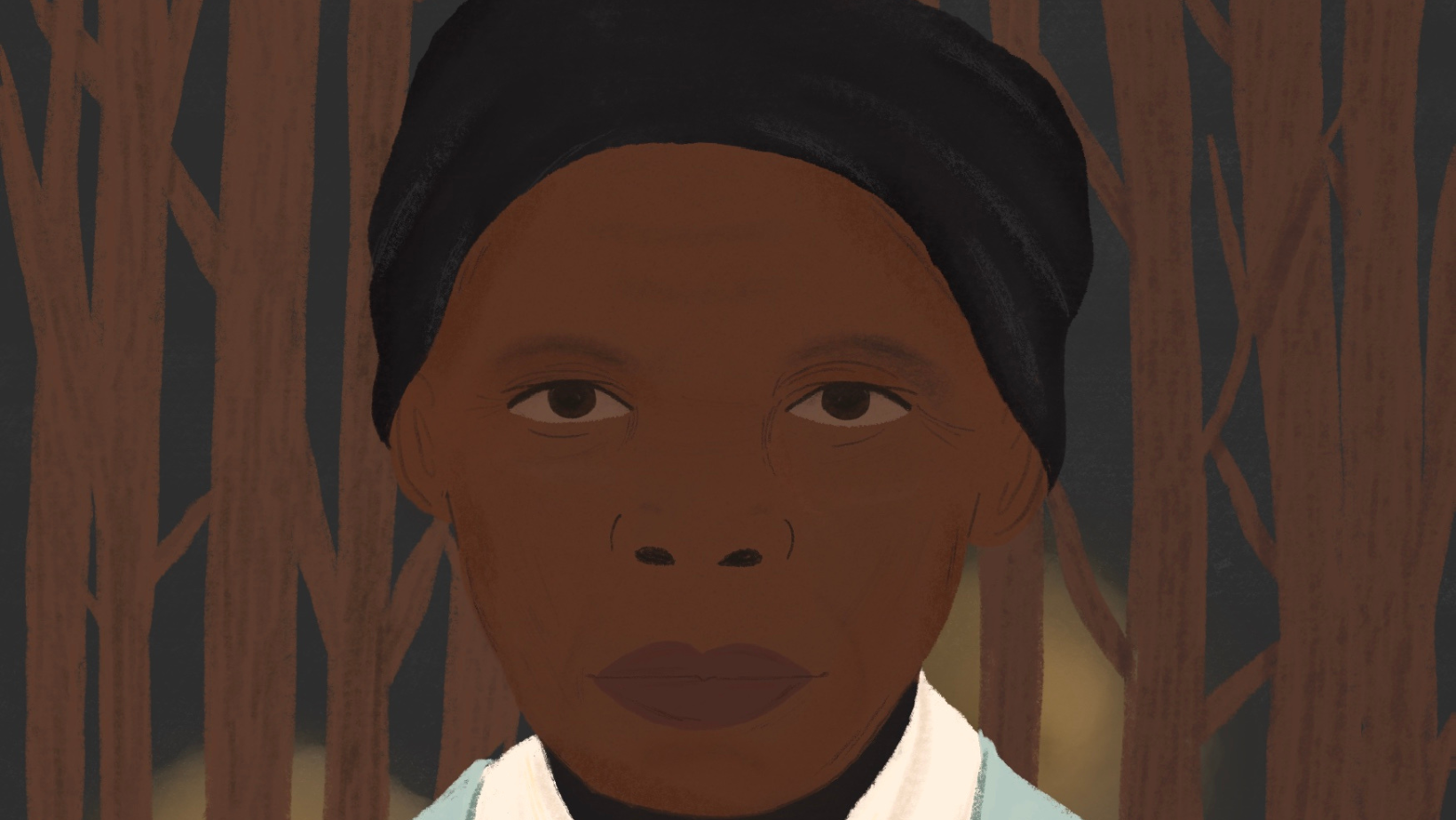
HARRIET TUBMAN: Tying into Outdoor Afro’s Black History Month 2023 coverage about the Underground Railroad, Tubman became one of the most revered conductors of the well-structured network. The nature navigator guided freedom efforts for hundreds of enslaved men and women in the American South. Yet, her reliance on the outdoors goes deeper than ushering others through dangerous forests. Tubman became a student of those around her – as a former enslaved woman herself. She listened intently to the local maritime workers to gain knowledge about constellations and how these sources could silently map routes to “stations” or safe houses. She was also a naturalist. Her keen desire to seek freedom was her driving force to understand the medicinal properties that various plant species held. She healed wounded Black soldiers – often in the middle of the night – as they fought their way to the other side of enslavement. Today, we honor Tubman not just for her work in helping forge the path to freedom for the ancestors but her interconnectedness outlook to the benefits of nature.
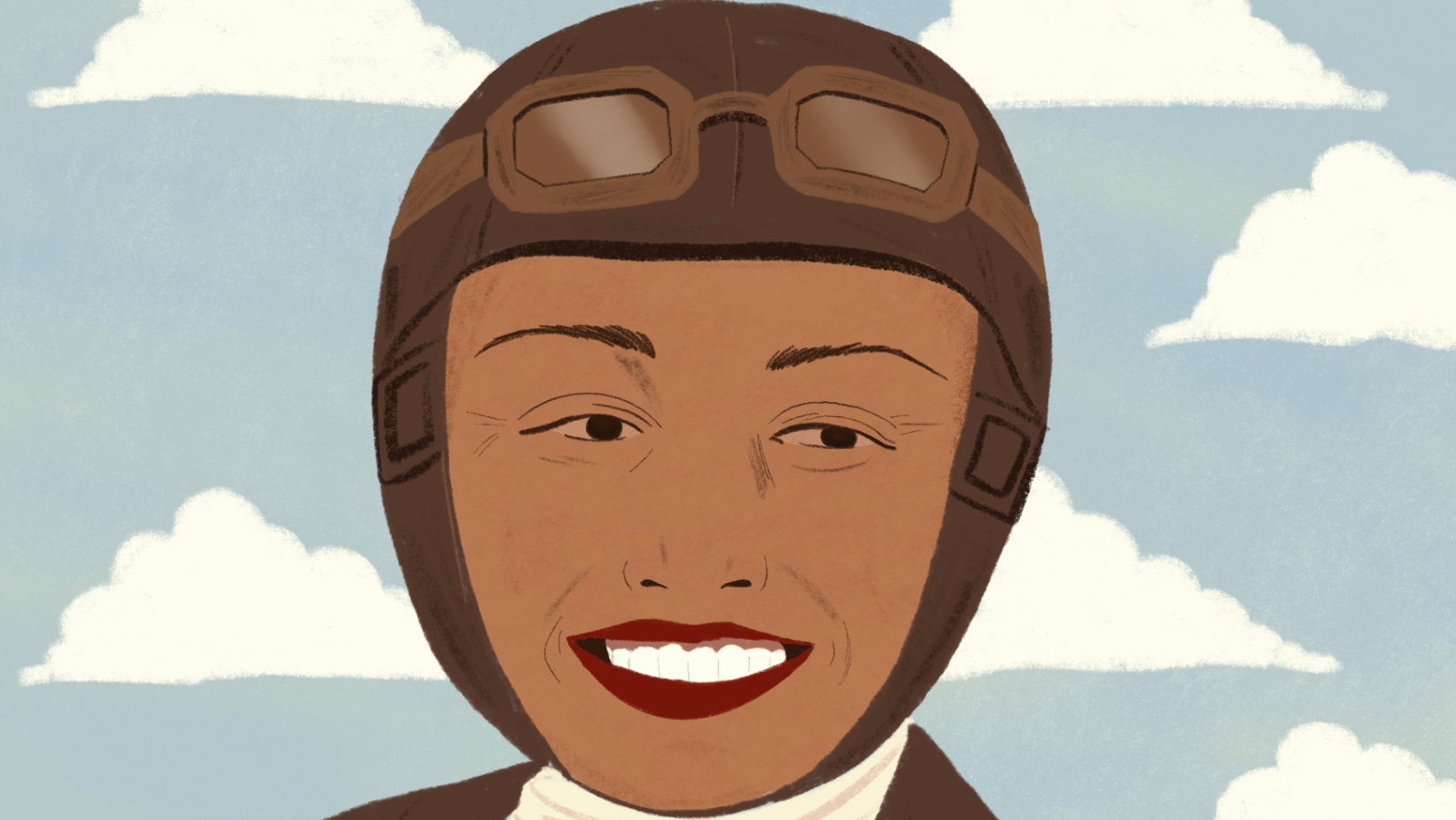
BESSIE COLEMAN: This aviation pioneer soared into history books as the first Black woman to earn a pilot’s license in 1921 – and the first Black woman to fly publicly in 1922. Interestingly in the early 20th century, most aircraft featured an open-air design, which provided instant access to the elements. Bessie Coleman once said, “The air is the only place free from prejudices.” Coleman’s history-making journey was far from easy. The Texan-born and Langston University-educated aviatrix was determined to fly despite the naysayers. When no U.S. flight instructor wanted to teach her, Coleman put herself through language school to first learn French then travel to France. It was there that she earned a pilot’s license. Her contributions to aviation landed her into the National Aviation Hall of Fame in 2006. To start 2023, Mattel honored her with a commemorative doll through its Barbie Inspiring Women Series. Mapp just became a 2023 Bessie Awards finalist as part of global lifestyle brand Wanderful’s annual summit recognizing women impacting the travel industry.
IDA B. WELLS: After losing both parents to yellow fever at age 16, Ida B. Wells’ tenacious spirit safeguarded her and her surviving siblings to live decent lives. From working as a school teacher to becoming a newspaper owner, she always centered Black communities. Credited as one of the main activists and voices during the Women’s Suffrage Movement, Wells made it her business to ensure women were treated fairly. Especially Black women. It even led to her forming Chicago’s Alpha Suffrage Club in 1913. The organization was the main catalyst to pass the Illinois Anti-Suffrage Act. The skilled journalist and researcher fearlessly covered the American South and its lynching culture of Black people. She became a Pulitzer Prize winner 158 years after her death, earning the highest national honor in print journalism "for her outstanding and courageous reporting on the horrific and vicious violence against African Americans during the era of lynching."
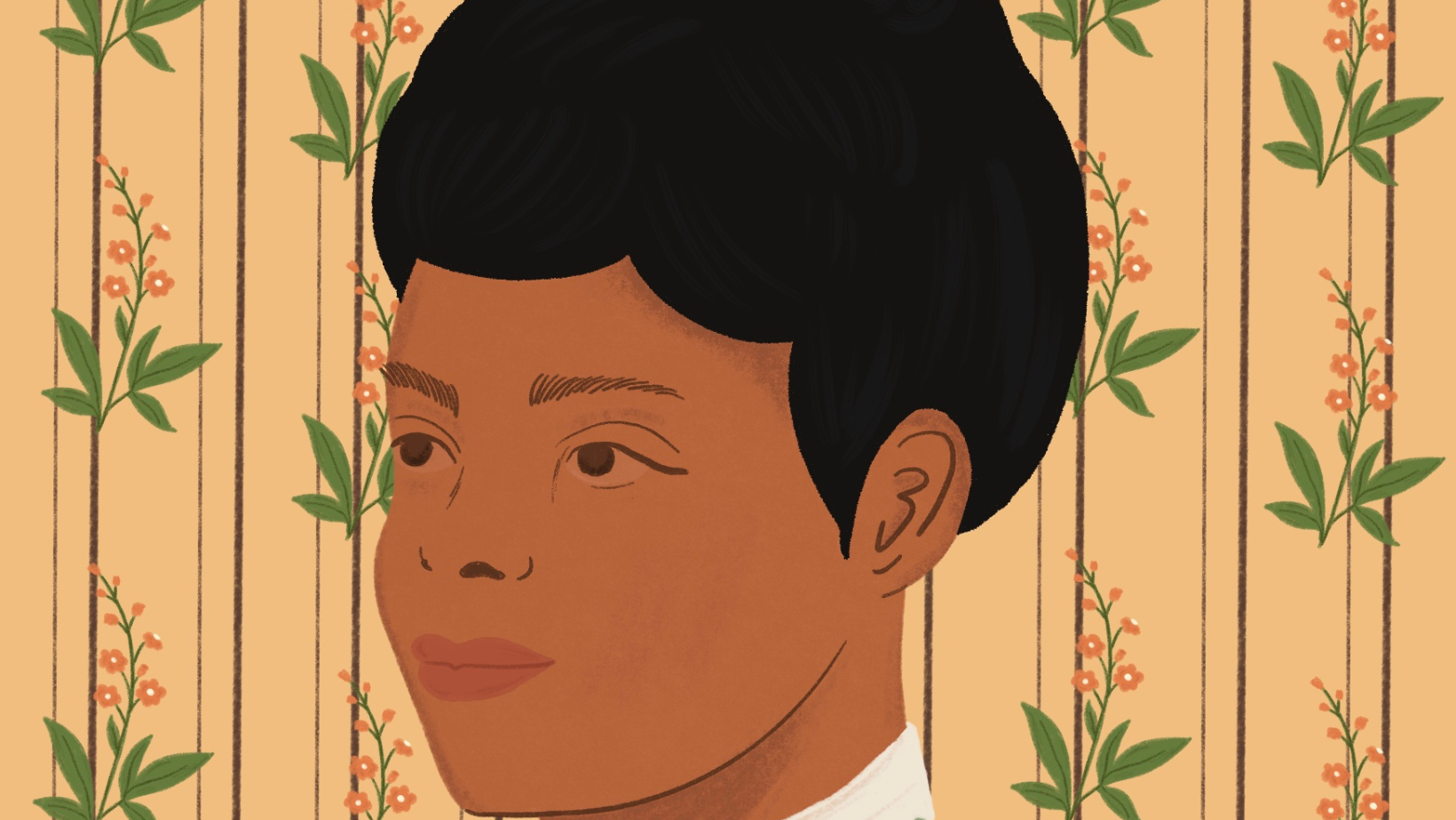
SOJOURNER TRUTH: Born Isabella Baumfree, Sojourner Truth was known to many as someone who captured the horrors of enslavement through her profound speech. Her real talent and claim to fame: photography. Her photographs – called carte de visite at the time – depicted everything from her storied life to mid-1800 political leaders and figures. Her photos gained popularity almost instantly. She used the art form to support herself, but the small images also became instrumental in helping to end slavery. Her photos were published in newspapers nationwide to help spread word of slavery’s grisly scenes. Truth’s work sparked deeper conversations and movements around the times. It seemed as though she invented a type of currency that financed her activism. She once said about her cause work, “I sell the shadow to support the substance.” More recently, her name has come into discussions around headshot placement onto one of the U.S. dollar bills. However, that American topic remains a stalemate.
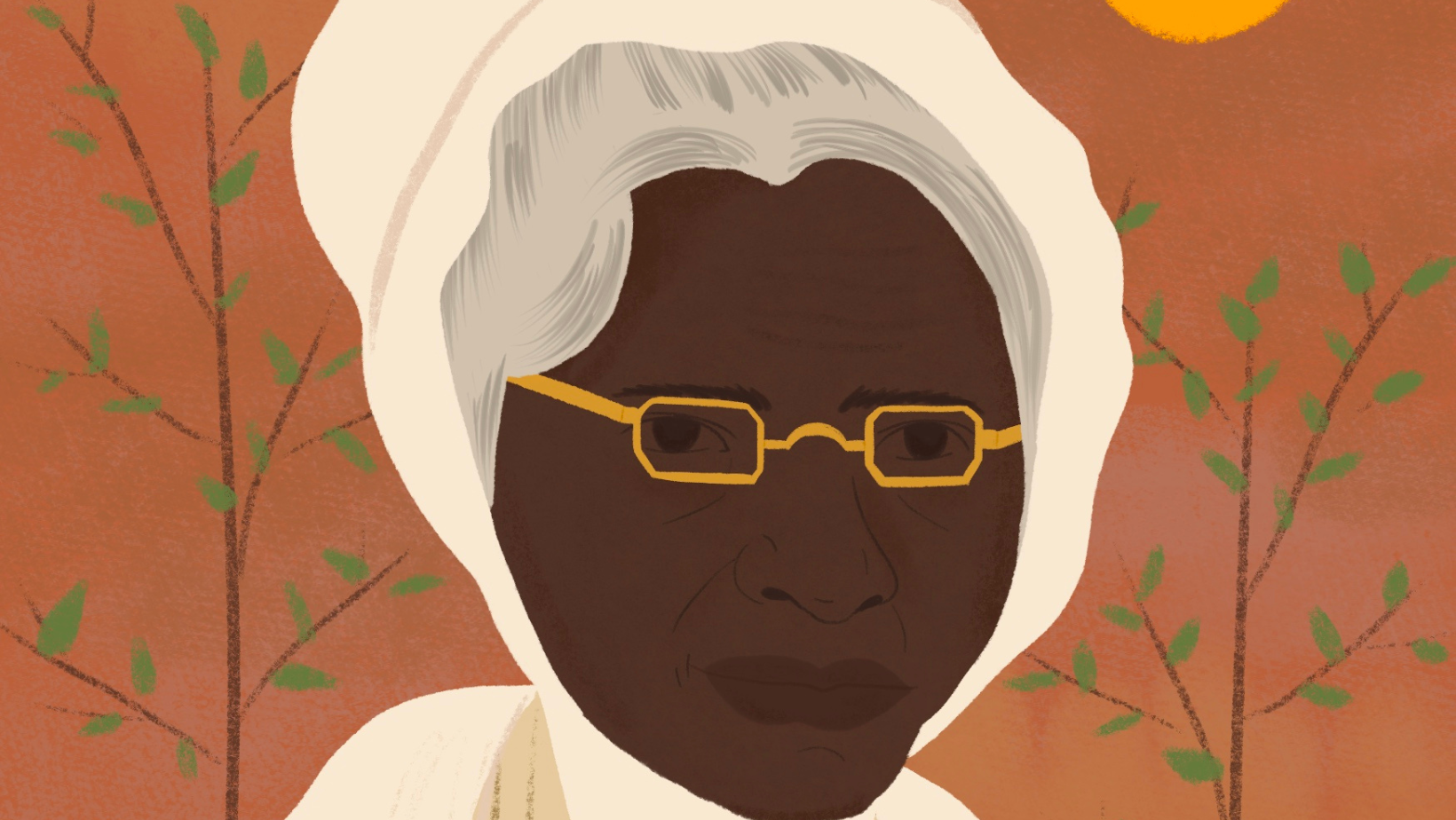
 RUE MAPP: An awarded leader, a public lands champion, and a motivational speaker, Rue Mapp started Outdoor Afro as a kitchen table blog and social enterprise in 2009. She incorporated it as a 501(c)(3) organization in 2015. Today, Outdoor Afro includes more than 100 volunteer leaders across the United States who guide a participation network of more than 60,000 people in nature. The modern-day outdoorswoman from Oakland, California, originated Outdoor Afro to celebrate and inspire Black connections and leadership in nature. During the past 14 years, the not-for-profit outfit has changed public perceptions of Black people and Black communities only having pain-and-peril narratives. Instead, Outdoor Afro centers the culture’s Black joy in nature moments. “Nature Swagger” is a continuation of Mapp’s community work in the outdoors by highlighting various storytelling forms and age groups. Along with publishing “Nature Swagger” in 2022, she co-created a hike collection with REI Co-op through her for-profit enterprise Outdoor Afro, Inc. to help solve unmet needs in outdoor apparel. She has earned international attention from media like Oprah Winfrey, The New York Times, Good Morning America, Forbes, and Netflix’s popular series MeatEater with Steven Rinella.
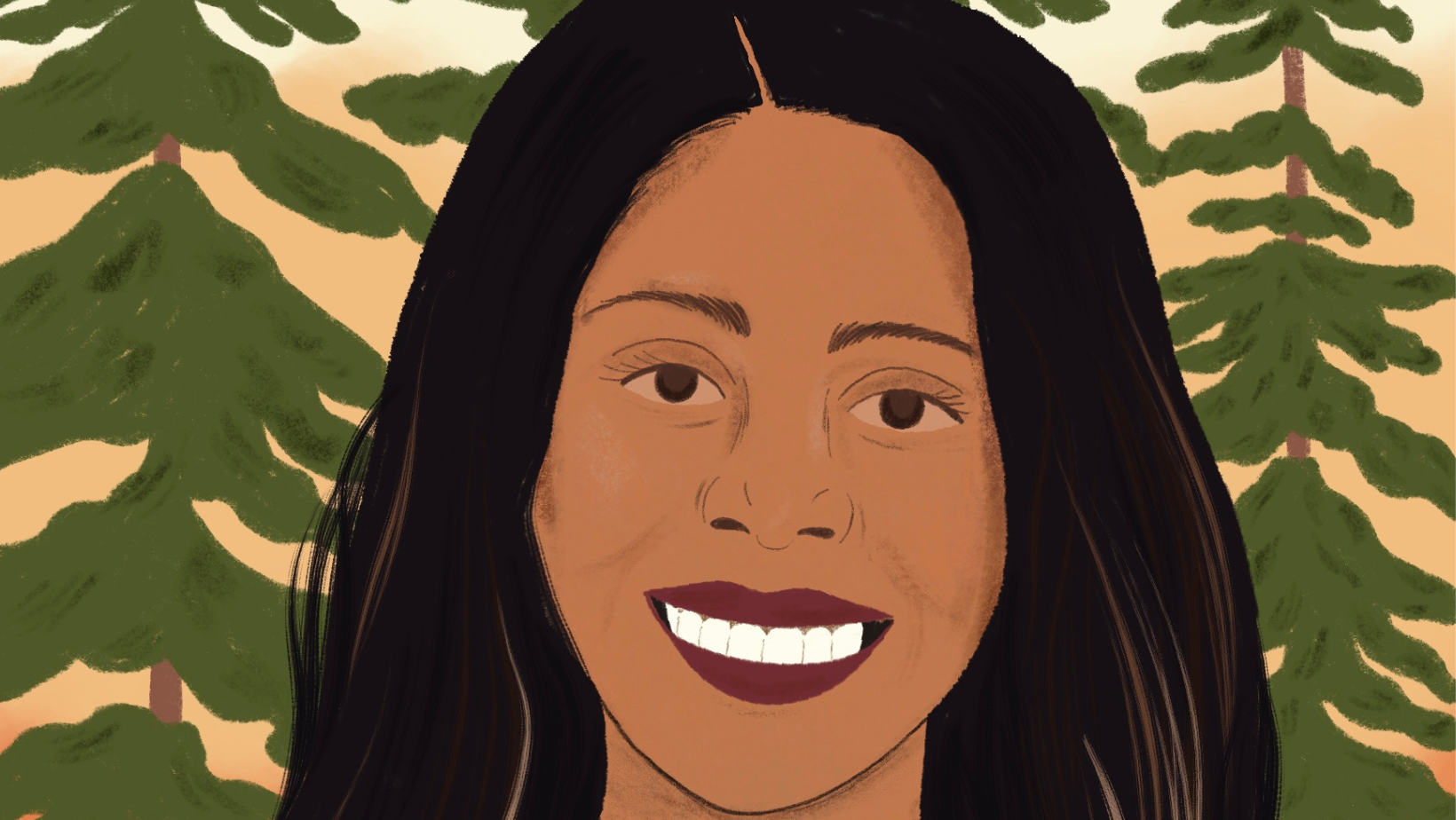
DR. CAROLYN FINNEY: She initially pursued acting as a career choice but was transformed by a five-year backpacking journey through Africa and Asia before she planted new roots in Nepal for a few years. The experience changed Dr. Carolyn Finney’s life so much that she went back to school to earn both bachelor’s and master’s degrees in gender and environmental issues in Kenya and Nepal. A few years later, the now author, storytell, and cultural geographer earned a doctorate to address the inequalities and lack of diversity within environmental organizations and institutions. She often explores why Black people and Black communities are underrepresented in nature, environmental, and outdoor recreation discourse. Her 2014 book “Black Faces, White Spaces” examines this subject. She uses her artistic voice and presence to illustrate these courageous conversations with global audiences.
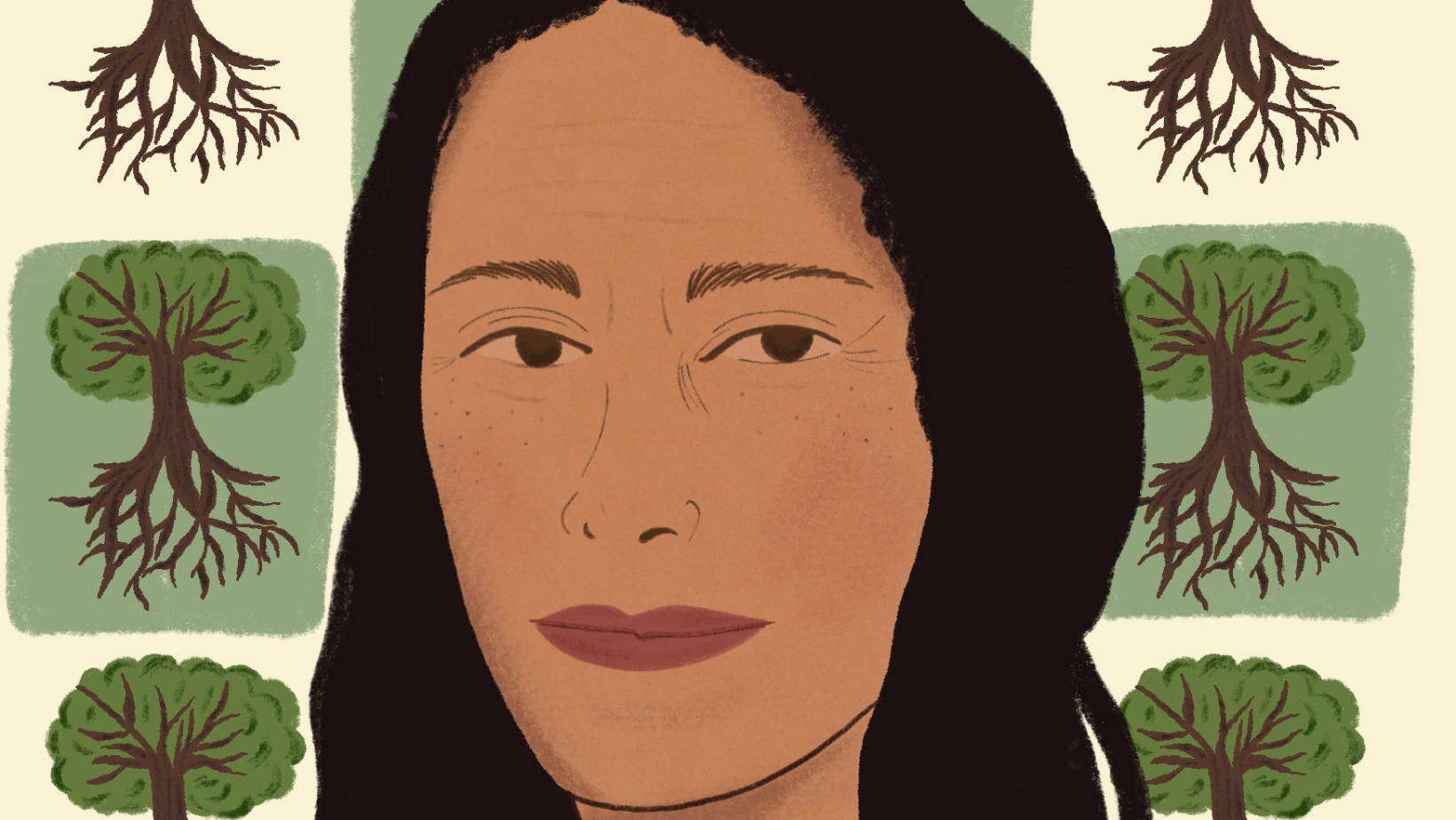
 ANGELOU EZEILO: With good grace, she’s considered an industry disrupter who has spent the past 13 years forging partnerships and creating powerful programming to diversify outdoor-focused organizations and companies. Angelou Ezeilo boldly speaks her truth to break barriers that prevent Black people, Black communities, and Black experiences from inclusion into nature and outdoor industry storylines. Working a lot with young people, she has dedicated her talents to connecting them to conservation-related careers and opportunities. What she started as simply conservation lessons in Gwinnett County, Georgia, elementary schools has now grown into the Greening Youth Foundation. Founded in 2007, the foundation bridges the gap between underrepresented youth and young adults, creating space for newer generations to thrive in state and federal land management sectors.
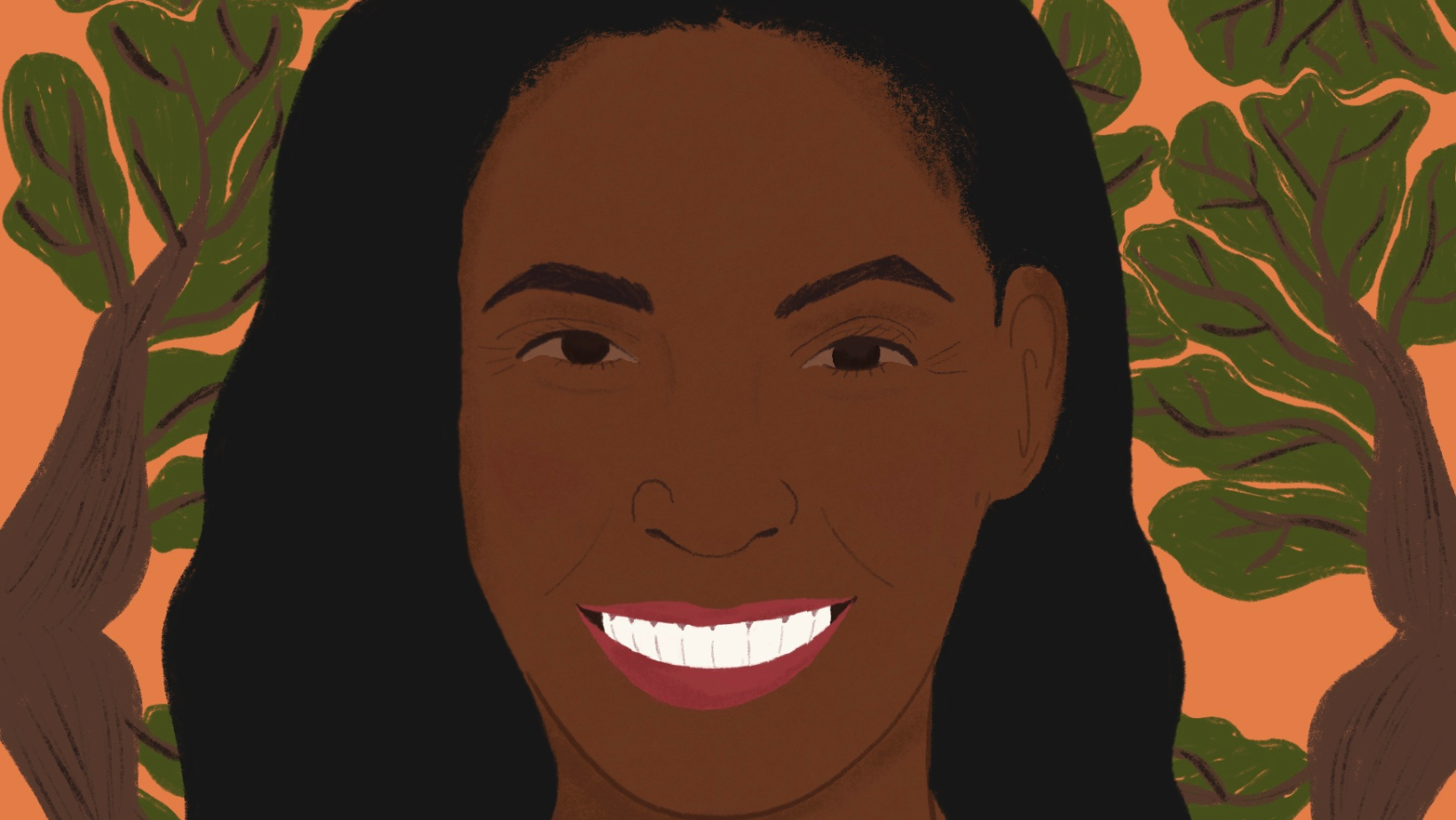
AKIIMA PRICE: The creative thinker links change-making people, places, and programs with underserved communities. A Washington, D.C., native, Akiima Price is a nationally respected influencer who works at the intersection of social and environmental issues and the relationship between nature and community well-being. She co-founded the Friends of Anacostia Park, an urban national park in D.C. The innovative model focuses on park restoration, nature-based human development, and workforce development in highly stressed communities surrounding the park. Previously serving as an interpretation ranger for the National Park Service at Lake Mead Recreation Area in Colorado, she has cultivated 30 years of experience in cutting-edge best practices around trauma-informed environmentalism. “As a child,” she said, “we moved from an apartment to a suburban townhouse where people were trying to move up and out of public housing. There was a dirt field behind our house, and we played in that dirt field and a sewer tunnel. We saw foam but didn’t know it was waste. We played and caught butterflies.” Today, that landfill is gone. Akiima uses that experience as a reminder and reconnection tool to strengthen community relationships to local parks.
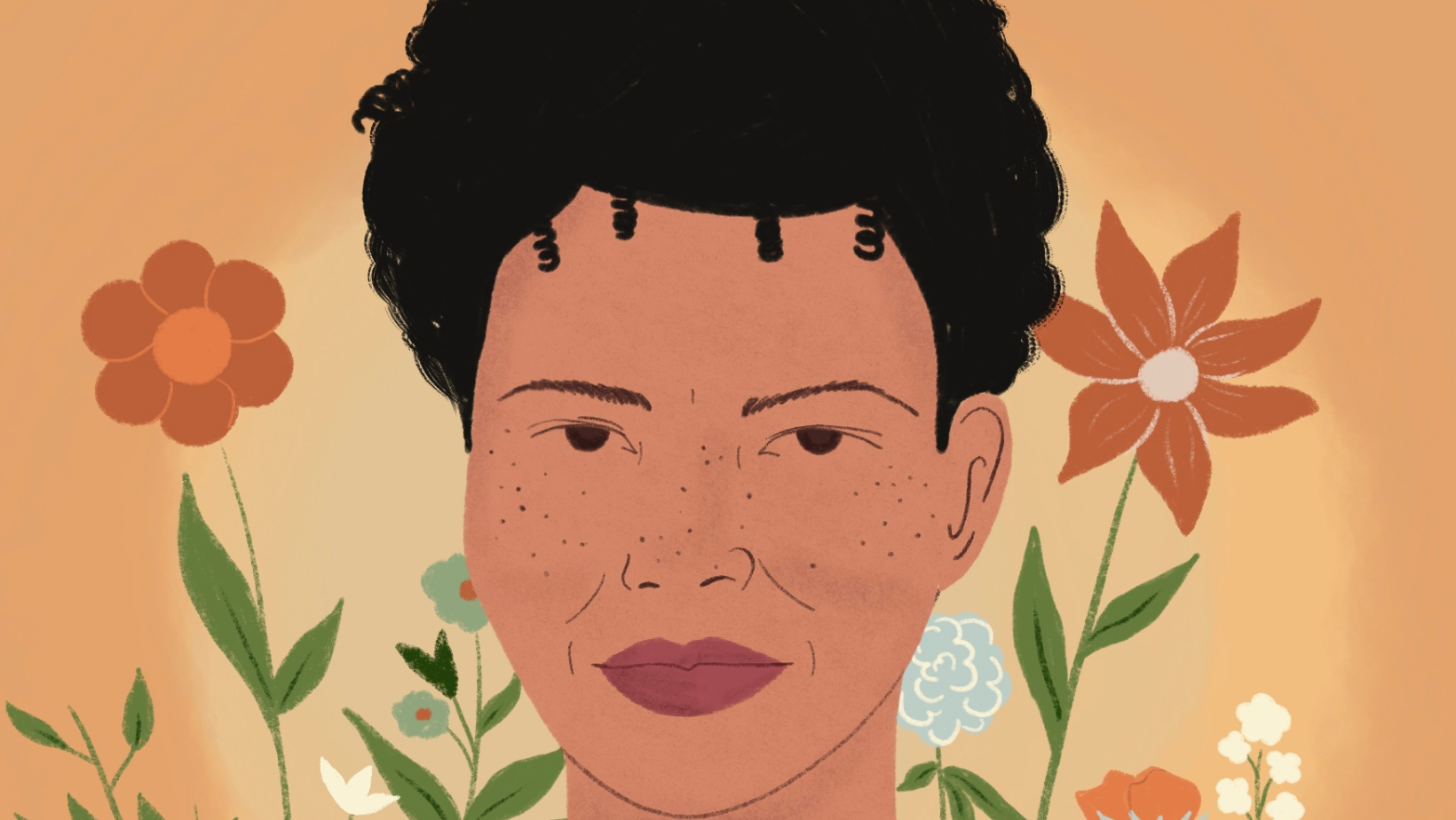
LEAH PENNIMAN: A 2019 James Beard Foundation Leadership Award recipient, Leah Penniman is one of many innovative leaders of the Black farming movement. Although Black agricultural practices are centuries old, the obstacles and racism that Black farmers still face are oftentimes overwhelming to juggle in a now digital economy. Penniman co-founded Soul Fire Farm in New York, which operates in the food justice space within America’s food system. With the goal of reconnecting Black people and Black communities to ancestral lands, Pinniman helps develop programs that train Black farmer cohorts – both domestic and international – on the importance of food equity. Penniman’s work has reached Ghana, Haiti, and Mexico. She has gained support through the Fulbright Program’s Soros Racial Justice Fellowship and even became a recipient of the Pritzker Environmental Genius Award. She penned powerful books on the topic of Black farming, including the 2018 release of “Farming While Black: Soul Fire Farm’s Practical Guide to Liberation on the Land.”
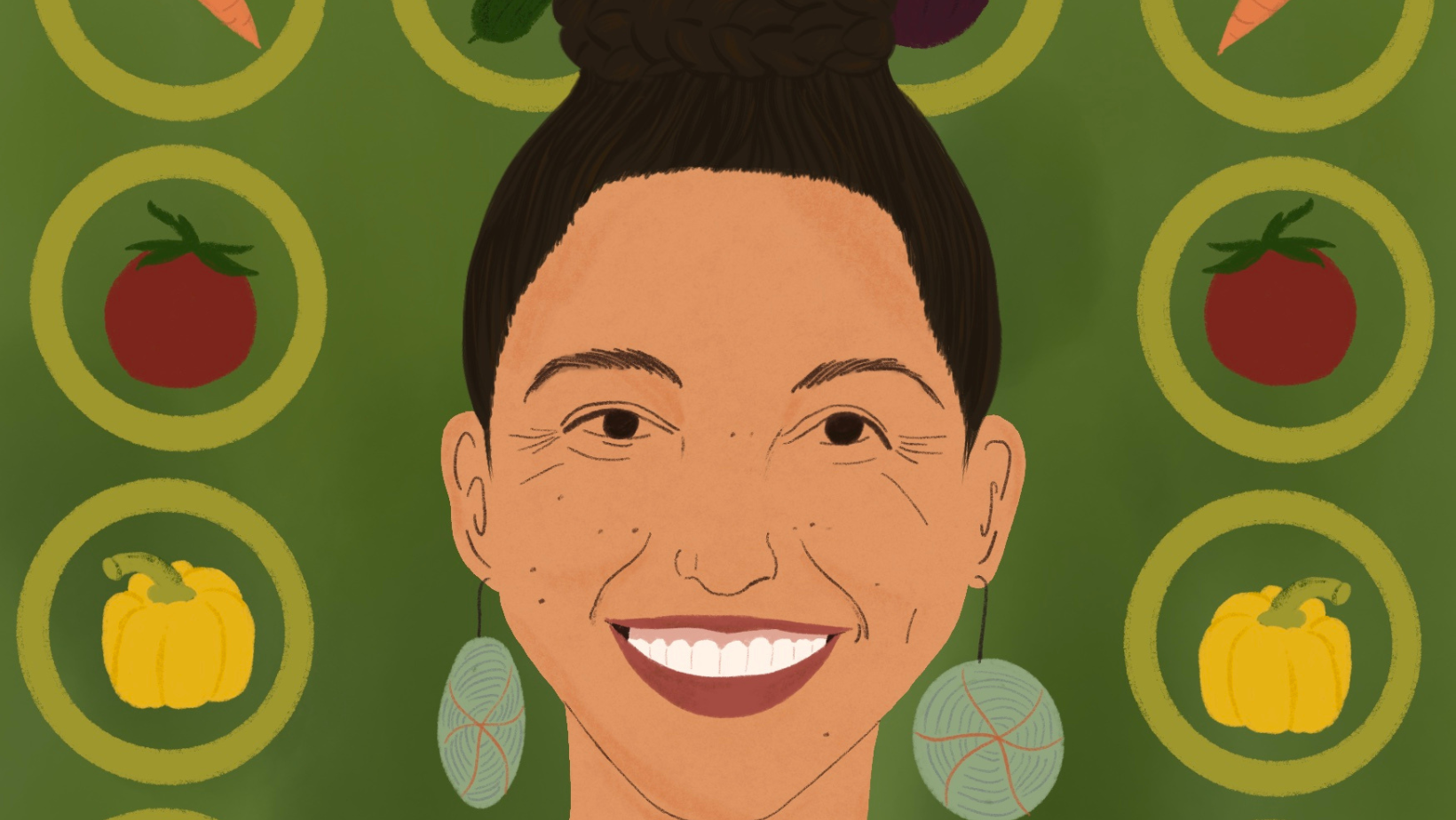
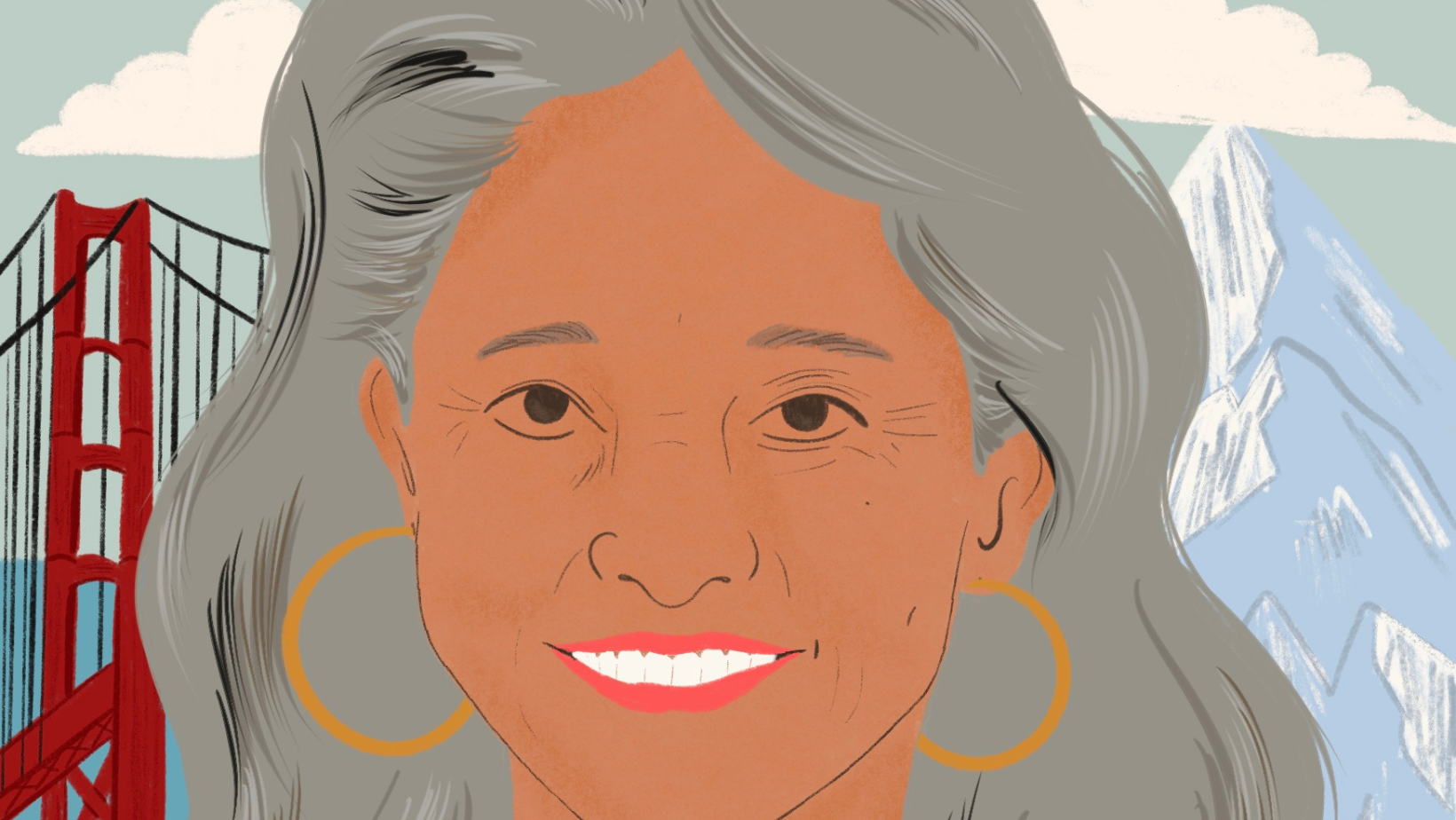
ELAINE LEE: One of the original definitions of a travel influencer, Elaine Lee is a globetrotter, travel writer, and media maven. For decades, her storytelling experiences have taken readers inside destination diaries and colorful articles about Black travel trends, women’s travel issues, solo travel, budget travel, travel planning, and health. In 1997, Lee published classic trek keepsake, “Go Girl: The Black Woman’s Book of Travel and Adventure.” Her book became a recommended read by Essence, Black Enterprise, and Upscale magazines. She has been featured on popular national and local radio and TV shows, including the Travel Channel. Lee also developed the Bay Area’s first travel radio show with travel writing colleague Pamela Michaels in 1999. Her worldwide trips have totaled 61 countries, traveling solo in 1992 and 2004. The “wander” woman continues to fly. More outdoor titles this bibliophile holds: sailor, cyclist, skier, and long-distance swimmer. In these new media times, she shares her travel writing and provides international travel advice through online forum Ugogurl.com.
*Illustrations by Dajah Callen

7 winter wilderness guidelines from our Minnesota leader
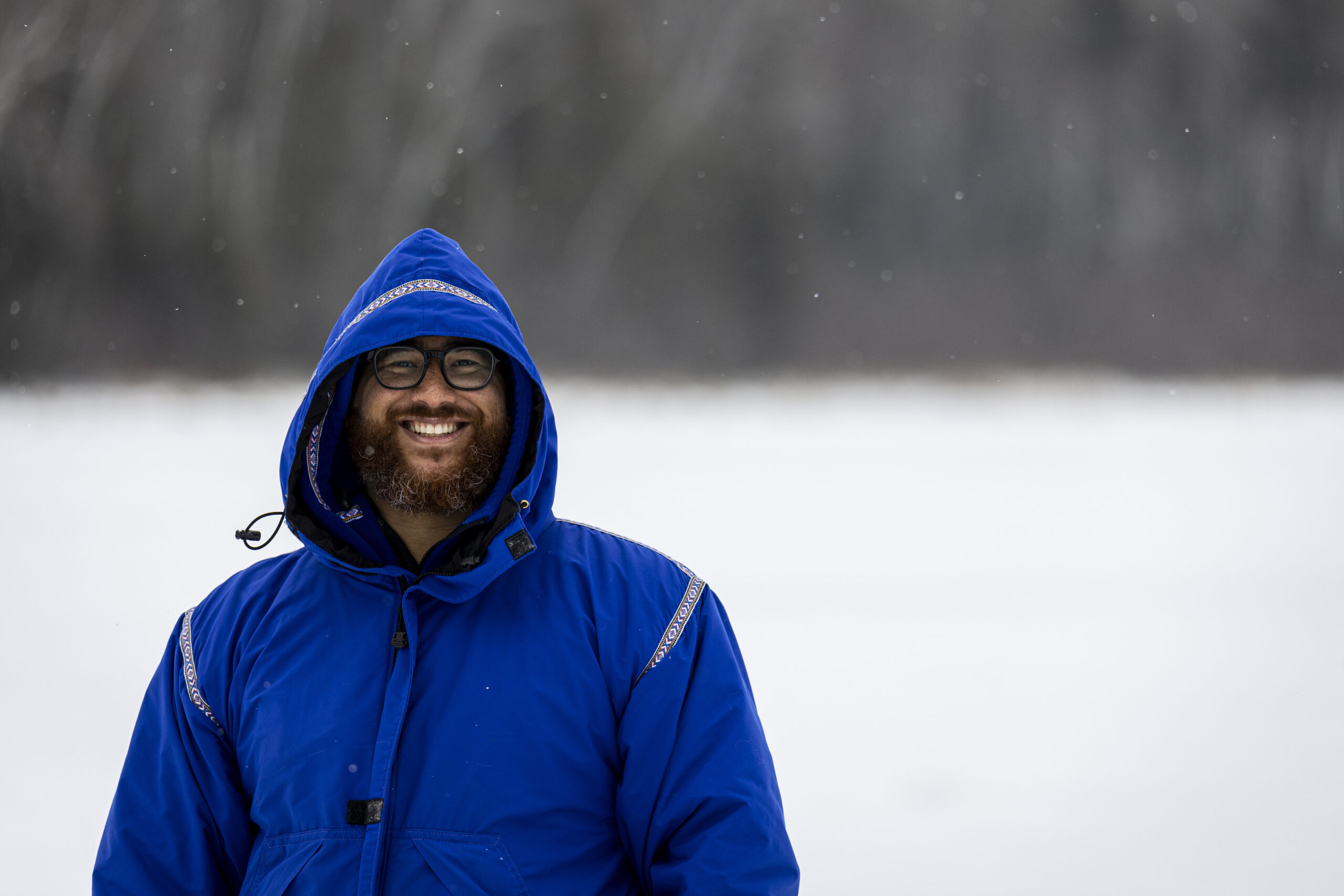
Weather conditions fluctuate from rain, sleet, ice, and snow. Now. Add the word “freezing” in front of each element. That just about digests Minnesota’s January and February forecast. And if there’s one person who craves these extremities, it’s Outdoor Afro’s 2022 “Leader of the Year” Stephen Scott. “I personally love Nordic skiing (cross-country skiing) and snowboarding in the winter,” said Scott, 39, who is originally from Texas but has called Minnesota home for the past 10 years. “Our local network likes snow tubing, Nordic skiing, and snowshoeing.”
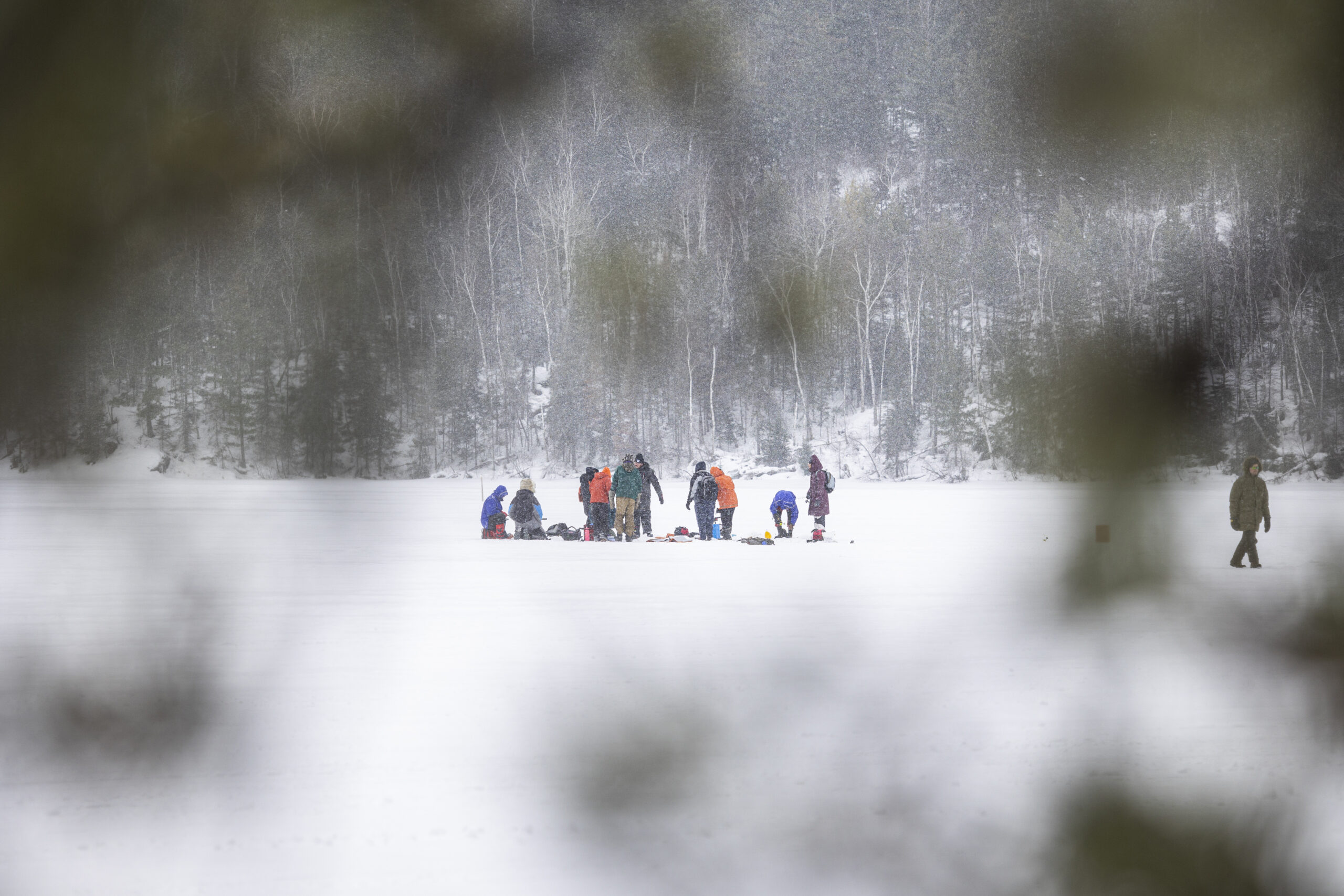
Through Outdoor Afro, Scott typically commits these months to winter activities that introduce his community to cold-weather environments with care. From Feb. 17 to Feb. 20, he hosted a first-time “Intro to Minnesota Winter Wilderness Weekend” in Northern city Ely – tapping into the Superior National Forest and Boundary Waters Canoe Area Wilderness – to teach survival skills and fun hobbies for this habitat. Community participants learned to dogsled, ice fish, and snowshoe. With nearly seven years of Outdoor Afro leadership experience in guiding his neighborhood in nature, Scott offers insight into no-man’s-land adventures during this time of year:
(Outdoor Afro Communications Director Candace Dantes) Q: Why was this network experience worth hosting to start 2023? What were the benefits of taking the time to coordinate and lead this first-ever experience for your community? (Stephen Scott) A: It's an excellent opportunity to try new winter activities and experience the beauty of our national forest. It also creates partnerships within the Ely community (Kes Ebbs, Superior National Forest/Kawishiwi District, Wintergreen Dogsled Lodge, Arrowhead Outdoors) and shares the beauty of the outdoors in the winter.
Q: For those not comfortable with radical winters (like me lol), what’s the appeal of Minnesota? Why is it an ideal staycation or travel destination? A: Beyond the frigid temperatures, Minnesota provides the perfect backdrop for a winter wonderland full of outdoor and indoor exploration. Before visiting in the winter, be sure to pack your layers (base, mid and top), gloves, and favorite hat.
Q: So, what exactly did participants grasp during the wilderness weekend? A: A few different tasks. They learned about the conservation ethics, Minnesota ecosystems, careers in natural resources, and the relationship between recreation and management. For our specific activities, each got to understand the basics of dogsledding (orienting, meeting the dogs, launching a sled); snowshoeing (how to put shoes on and walk in them properly); and ice fishing (how to auger a hole into the ice, bait a hook, and find fish).
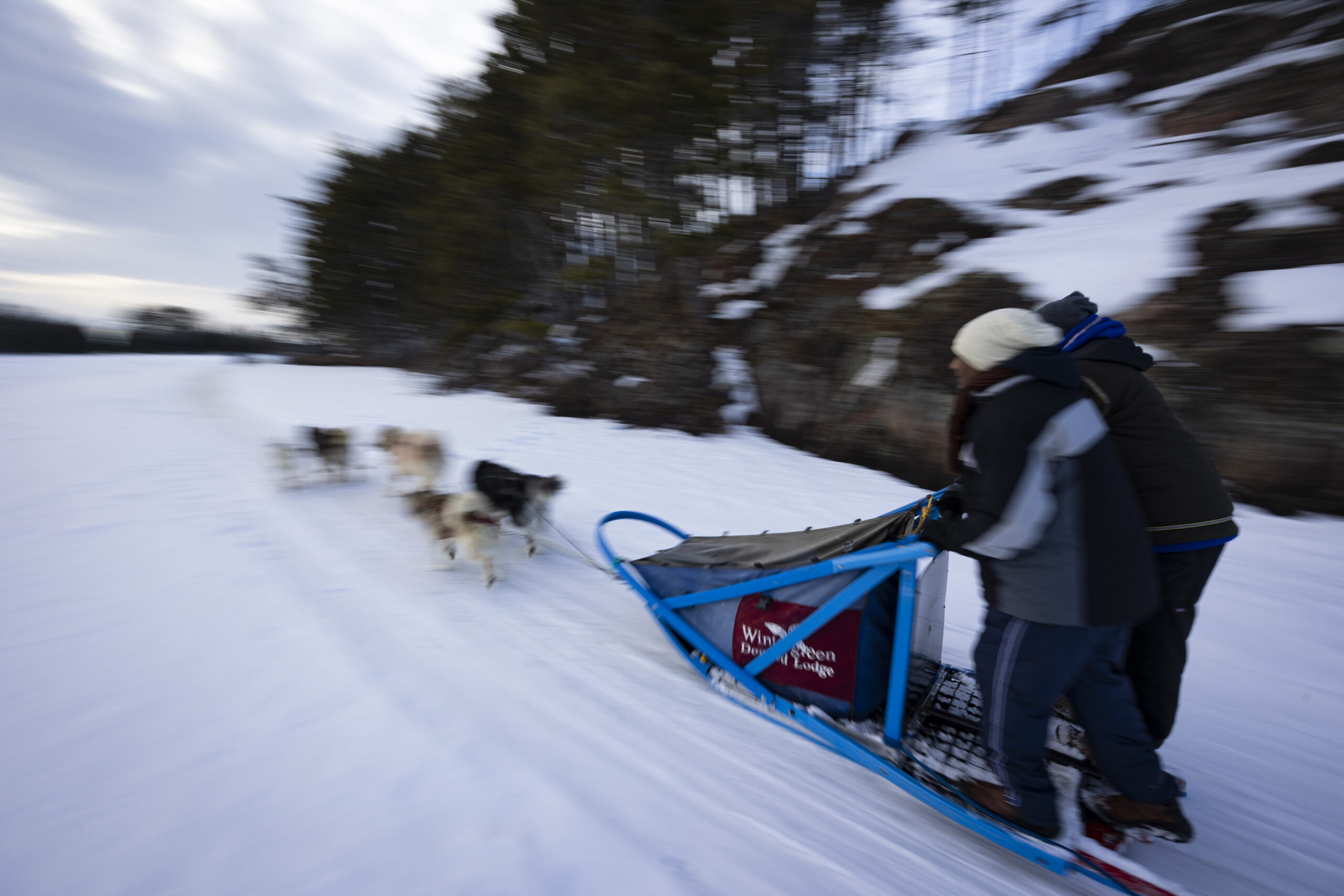
Q: From the images our professional photographer Joe Klementovich captured, the network action looked so tantalizing to try. As a seasoned winter wilderness expert, what tips do you have for first-time participants exploring nature in Minnesota during the winter months? A: Definitely dress in layers to maintain your warmth. Bring a warm beverage in an insulated container to stay hydrated. Pack adequate snacks to keep your energy going throughout the day.
Q: Noted. For veteran nature explorers of the area, what’s something new they can learn in this region? A: Understanding the difference between “good” cold and “bad” cold to participate in local adventures. There is a difference. Also, being deliberate about their actions to prevent accidents, and truly knowing weather conditions so you’re prepared in terms of having the right gear and equipment.
Q: Speaking of gear and equipment, what are your must-packs for winter activities in Minnesota? And why these particular items? A: For me: wool base layers to start. These layers allow my body to stay warm but also help remove moisture from my skin. Second, a buff. It's a multifunctional piece preventing drafts around the neck and can easily protect the face from the elements. Third is my windshell, which pierces blowing winds and pulls heat from my core. Fourth, softshell snow pants for movement, protection from snow, and turn into a vent when I get hot. Fifth are, of course, my snow boots to keep my feet warm and dry. Honorable mentions: gloves, a hat, sunglasses or goggles, and hand warmers.
Q: Got it down. Thank you for those “honorable mentions,” too. Lastly, you’re serving as a guide and mentor to fellow Outdoor Afro volunteer leader Christine Meissner this year since she became a recipient like you were of the Polar Explorers Matthew Henson Scholarship. Christine will attend a five-day introduction to a winter travel training course in the Boundary Waters Canoe Area Wilderness. What specifically will you help Christine achieve during this experience? What advice do you have for her before pursuing this scholarship journey?
A: My role as a second-year scholar is to provide Christine support in preparation (gear and questions) for the Polar Shakedown Training – designed to ready scholars for extreme cold-weather expeditions or polar treks. I also joined the Shakedown team to help guide the other scholars. My advice for Christine is to embrace skill-building, camaraderie, views, and temperatures – fully. I hope she will learn about her own personal limits, become deliberate in her actions while being in the cold, understand the different types of coldness, and thrive. Not just survive.
 *Click here to learn more about our Outdoor Afro Leadership Training that volunteers like Scott and Meissner participate in annually to develop aptitude to guide their neighborhoods in nature safely and sustainably.
Outdoor Afro travels the Underground Railroad in 2023
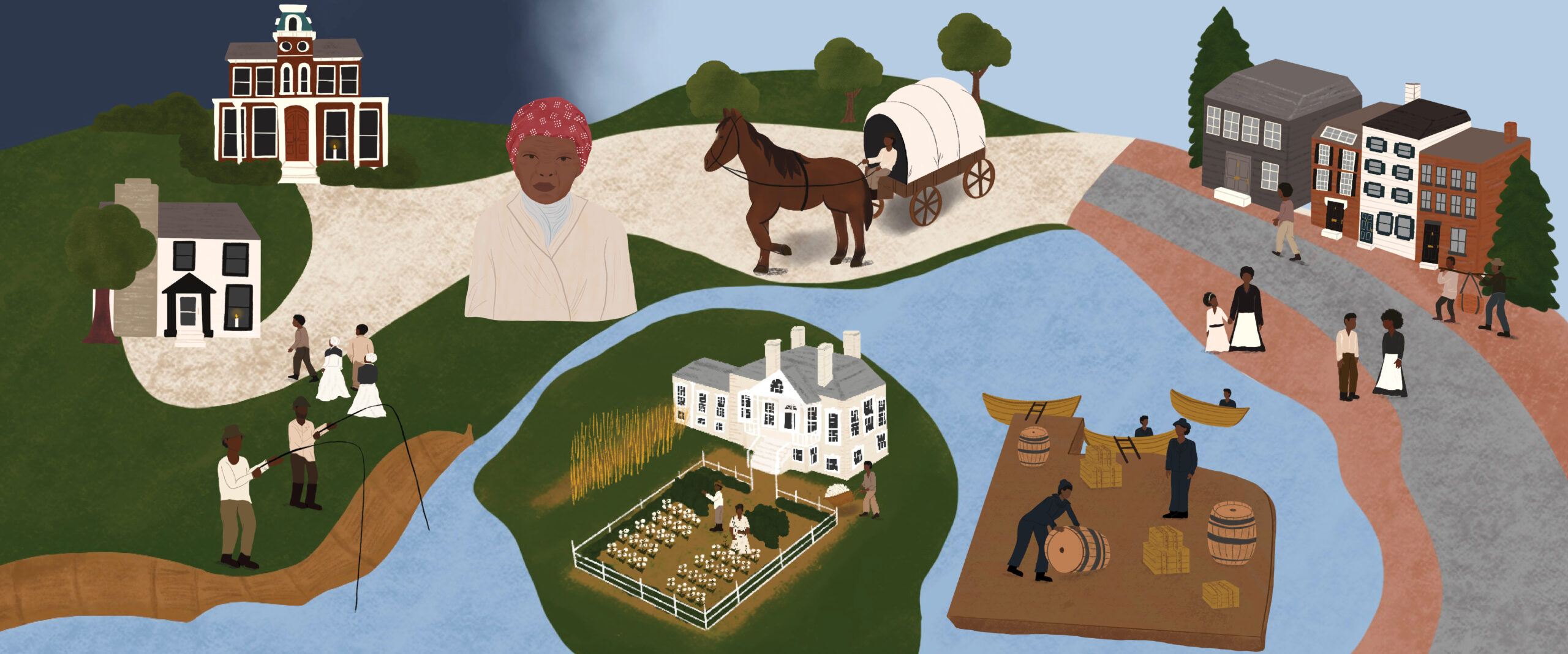
Outdoor Afro originates its second year of illustrated storytelling during Black History Month. For 2023, the organization collaborated with digital illustrator Dajah Callen to educate about one of the most well-organized networks by abolitionists to usher enslaved people out of the American South: the Underground Railroad. “Collaborating with Outdoor Afro for this Black History Month project was a natural fit since my work centers emotions and thoughts we sometimes find hard to put into words,” said Callen. “I also enjoy drawing nature.” Virtually visit trails and tours identified by the National Park Service’s National Underground Railroad Network to Freedom program and periodically toured by local Outdoor Afro networks throughout each year.
EXPLORE THIS ILLUSTRATED STORY
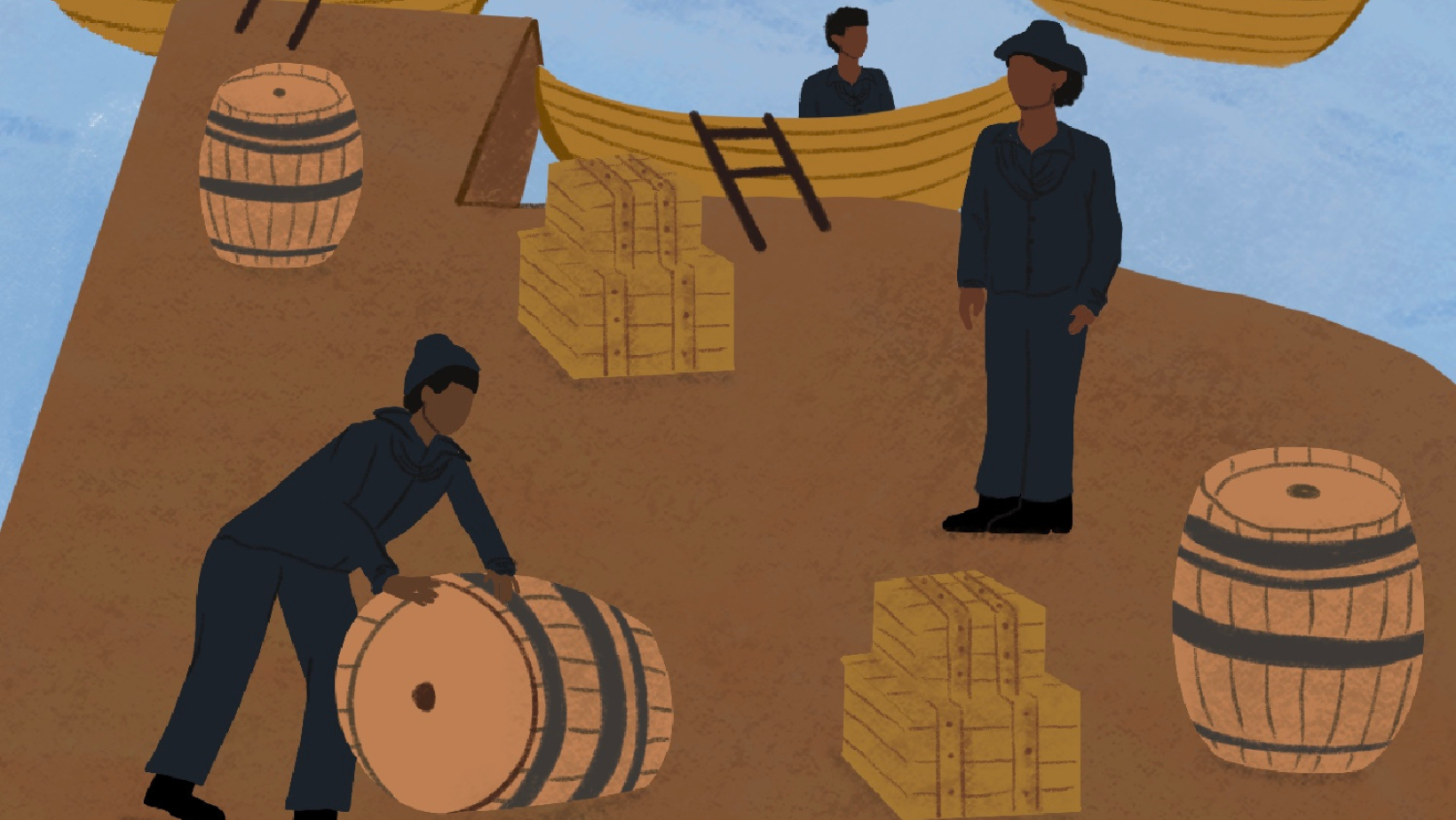
Callen’s illustrations depict the freedom train’s allegorical “conductors” who strategically mapped out and commonly led a matrix of “stations” from 1810 to 1850. These stations guided runaways (approximately 100,000) into liberation and provided temporary care. Some stations were shipyards. Others were safe houses (churches, barns, businesses). Modes of transportation used included boats, wagons, and freedom by foot. Harriet Tubman served as one of the railroad’s distinguished conductors. She learned about the secret communications that happened on trade routes and applied the course knowledge. Her leadership as an outdoor navigator and wilderness survival expert earned her the Biblical title of “Black Moses.”
She, along with fellow conductors, operated canals, trails, bays, rivers, ferries, and forests as routes to help enslaved people escape. Tubman is known for guiding more than 13 trips to the South. It’s estimated she freed more than 70 enslaved people, including family and friends. In the spirit of the Underground Railroad’s national reach and mission, Outdoor Afro selects and trains a network of more than 100 volunteer leaders who lead their neighborhoods in nature. With networks in 60 cities and up to 32 states throughout the United States, volunteer leaders guide more than 60,000 people nationwide annually to explore land, water, and wildlife.
Outdoor Afro volunteer leaders help reintroduce local Black history stories like the Underground Railroad. Volunteer leaders serve as community “conductors” while guiding monthly outdoor activities. In addition to scheduling and hosting neighborhood historical tours, leaders use social media to connect and invite community participants to multigenerational experiences in nature. These backyard activations include biking, gardening, kayaking, fishing, bird watching, swimming, and other requested community adventures.
Outdoor Afro National Program Director Chaya Harris sees the digital storytelling series as magnifying Black history in nature, showing that Black people were – and still are – skilled communicators, navigators, merchants, entrepreneurs, farmers, craftspeople, and more: “Outdoor Afro’s networks often take community participants to modern-day tours and trails connected to the Underground Railroad,” said Chaya Harris. “By the end of these historical visits with our network leaders and participants, we’re reminded that a lot of thought, planning, and people went into this ongoing journey toward freedom.”
ABOUT OUTDOOR AFRO: Outdoor Afro is a national not-for-profit organization that celebrates and inspires Black connections and leadership in nature. What started as a kitchen table blog by Founder and CEO Rue Mapp in 2009 has since grown into a cutting-edge nationwide movement with 100-plus volunteer leaders in 60 cities with network participation reaching more than 60,000 people. Outdoor Afro reconnects Black people with the outdoors through outdoor education, recreation, and conservation. Follow Outdoor Afro at outdoorafro.org and @outdoorafro today.
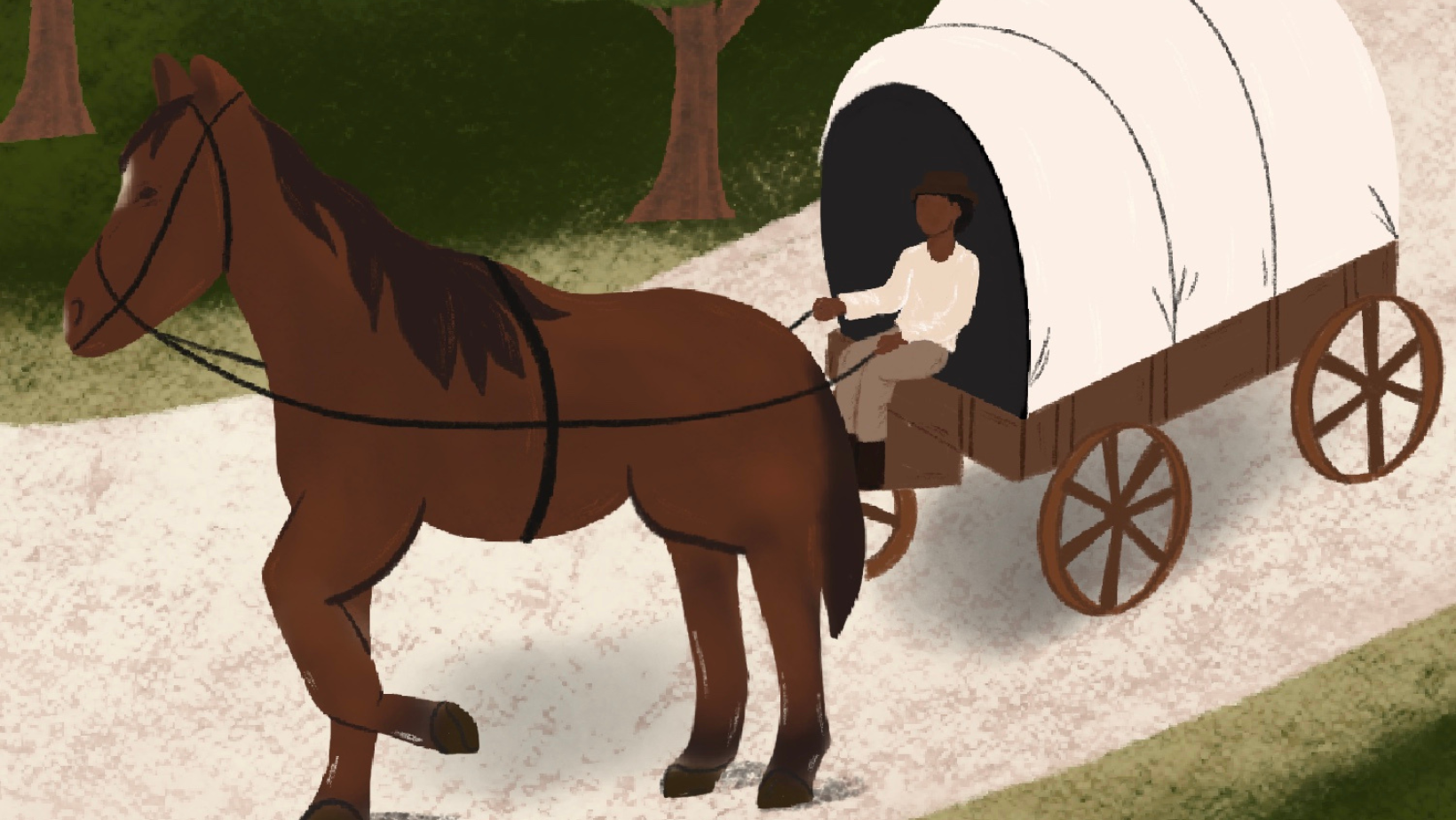
*Outdoor Afro's Black History Month 2023 illustrated scenes of the Underground Railroad. Artwork by Dajah Callen