Celebrating Black Nature Conservationists Throughout History
Throughout history, many cultures have embraced the importance of living in balance with nature, recognizing it as essential for life itself. Despite systemic barriers, Black environmentalists have made profound and lasting contributions to sustainability and conservation.
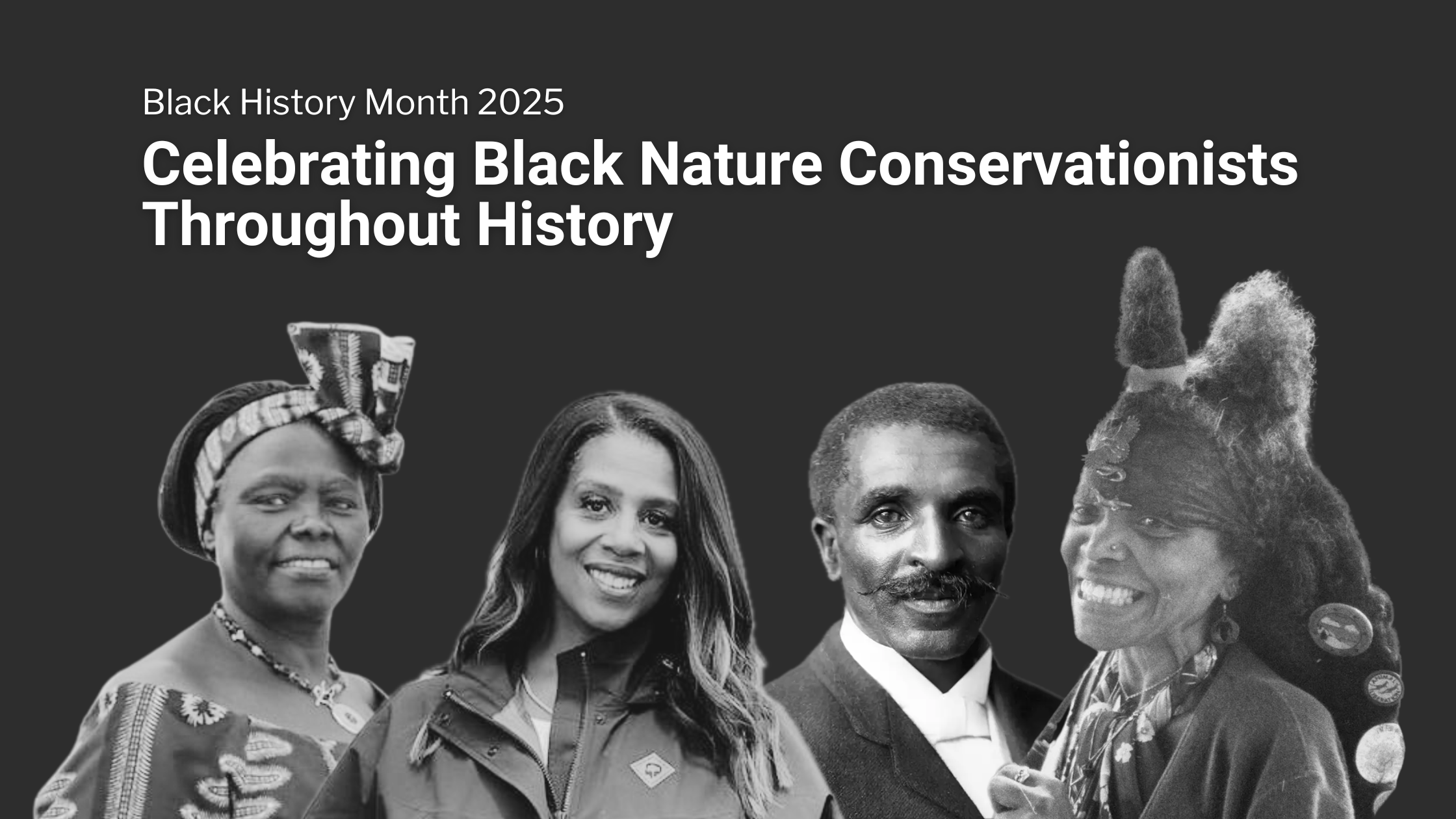
From pioneering figures like George Washington Carver to present-day trailblazers like Rue Mapp, Black leaders have shaped and enriched the nature conservation movement in countless ways. This Black History Month, we’re celebrating the achievements of four remarkable Black conservationists whose work continues to inspire and guide us in our mission to change the narrative of who can recreate the outdoors, and re-strengthen Black connections to land, water, and wildlife.
George Washington Carver (1864-1943)
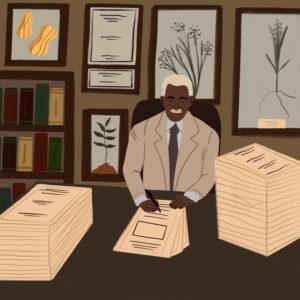
Last year, we celebrated internationally recognized inventor, educator, and botanist George Washington Carver during Black History Month 2024.
Carver developed more than 300 commercial, industrial, and food products between the late 19th and early 20th centuries using the peanut. He originated cooking oils, beverages, paper, soaps, cosmetics, dyes, paints/stains, and even medicines, earning him the nickname “The Peanut Man.”
Carver also released 44 nature bulletins that reported cultivation findings for farmers, recipes for housewives, and science information for teachers. Many of the items he created are still used in nature today – by Outdoor Afro’s staff, team of volunteer leaders, and community participants across the United States.
Read more about the agricultural contributions of George Washington Carver on our Black History Month 2024 page.
MaVynee “The Beach Lady” Betsch (1935-2005)
 Meet MaVynee Betsch, a true force of nature and a champion for environmental preservation.
The great-granddaughter of Florida’s first Black millionaire, A.L. Lewis, MaVynee traded a promising career as an opera singer and poured her inheritance into environmental causes, using her voice—both literally and figuratively—to advocate for American Beach on Amelia Island, Florida, a haven for Black Americans during the segregation era.
Her connection to American Beach ran as far back as her childhood; it was established by her father during the Jim Crow era as a safe, welcoming oasis for Black families to gather, relax, and enjoy the healing power and beauty of nature. So when environmental threats and property development endangered the area, MaVynee took action.
MaVynee Betsch later became known as “The Beach Lady” for dedicating her life to protecting American Beach. She even led tours for school field trips, during which she shared the beach’s history and inspired a new generation to value its significance. Thanks to her efforts, parts of American Beach are now protected as a historic site, preserving its legacy for generations to come.
Learn more about outdoor spaces across the country that have long been safer havens for Black people to find joy in nature in our Black Oases article, made in collaboration with REI.
Wangari Maathai, The Tree Mother of Africa (1940–2011)
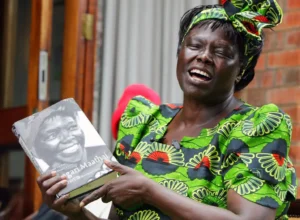 Born in Kenya, Dr. Wangari Maathai was a visionary leader who believed that the power of people—and trees—could transform the world.
In 1977, Dr. Maathai founded the Green Belt Movement, an organization that has since planted over 50 million trees, helping to restore the environment and empowering Kenyan women through conservation. She also made strides in government, serving as Kenya’s Assistant Minister for Environment, Natural Resources, and Wildlife, and was elected to Parliament with an incredible 98% of the vote.
Her impact reached global recognition in 2004 when she became the first African woman to receive the Nobel Peace Prize for her groundbreaking work in sustainable development, democracy, and peace. Dr. Maathai’s legacy reminds us how one person’s commitment to the land can spark a movement that changes generations.
Across the country, our Volunteer Leaders share well known, little-known, and unknown stories of Black relationships with land, water, and wildlife—stories that, like Dr. Maathai’s, inspire leadership, conservation, and a long-lasting love for nature. Learn more about our Volunteer Leadership Program, and consider donating to support our yearly volunteer leader training and ensure that our volunteers are equipped with the necessary knowledge and skills to safely lead fun, intergenerational outdoor adventures that bring people together.
Rue Mapp (1971- )
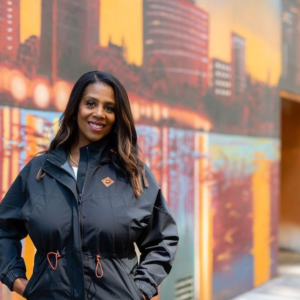 Raised on a ranch in Northern California, Rue Mapp grew up immersed in the beauty of the outdoors. As she got older, she noticed how unique her childhood experiences of fishing, hiking, and exploring nature were compared to other Black Americans. That realization sparked the idea for Outdoor Afro.
In 2009, Rue launched a blog to detail her experiences in nature in the hopes of connecting Black Americans to the outdoors. Today, Rue Mapp is the Founder and CEO of Outdoor Afro. What started as a passion project has grown from a kitchen table blog into a national not-for-profit that encourages Black connections and leadership in the outdoors.
These are just a few of many stories to remind us that Black leadership in nature is deeply rooted in our history. From the pioneering agricultural work of George Washington Carver to the relentless environmental advocacy of MaVynee Betsch and Wangari Maathai, Black changemakers have long shaped the landscapes we know, love, and enjoy today.
At Outdoor Afro, we honor this legacy by continuing to foster Black connections and leadership in nature, guiding communities to explore, learn, and take action in the outdoors. The outdoors is a place for everyone to connect with nature, our shared history, and our community.

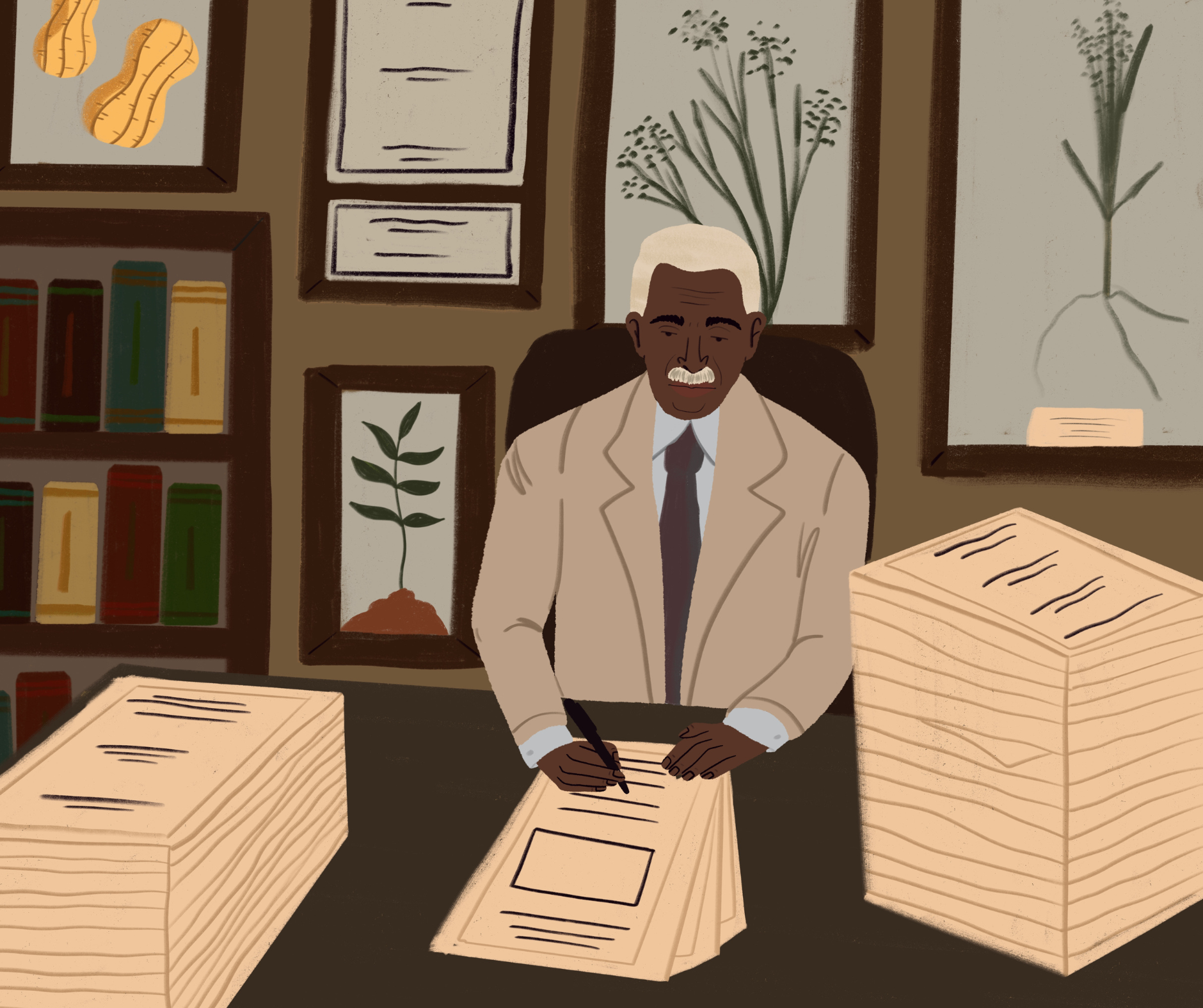
Black History Month 2024: Outdoor Afro uplifts ag contributions of George Washington Carver
Outdoor Afro opens its “Year of Innovation” celebrating internationally recognized inventor, educator, and botanist George Washington Carver during Black History Month 2024. “Our organization encourages U.S. communities to reflect on your own connections to Black history – the heroes and trailblazers like Carver who are in your lives now and whose legacies continue to inspire and shape our collective journey,” said Outdoor Afro Founder and CEO Rue Mapp. Carver developed more than 300 commercial, industrial, and food products between the late 19th and early 20th centuries using the peanut. Many of the items he created are still used in nature today – by Outdoor Afro’s staff, team of volunteer leaders, and community participants across the United States. Earning the nickname “The Peanut Man” (although he didn’t invent peanut butter), Carver originated cooking oils, beverages, paper, soaps, cosmetics, dyes, paints/stains, and even medicines. He also released 44 nature bulletins that reported cultivation findings for farmers, recipes for housewives, and science information for teachers.
Carver originated the modern term “regenerative agriculture.” His care for farmers and farmland in America’s Black Belt Region achieved sustainable agriculture practices like crop rotation to restore nutrients into soil. He hurled into history books by becoming the first Black person to earn a Bachelor of Science degree in 1894. Researching fungal infections of soybean plants, he advanced his knowledge by identifying and treating plant diseases. He advanced his education by earning a Master of Agriculture two years later. Tuskegee Institute (now Tuskegee University) in Alabama offered him a faculty position, which he held for the rest of his life. The university established an agricultural school with Carver leading an all-Black faculty. His classroom lessons put emphasis on ag students and Southern farmers learning how to implement conservation techniques that replenished crops and community farmland.

Just as Carver introduced rural producers and young scholars to new ways of tending the land, Outdoor Afro competitively selects and trains volunteer leaders annually who guide more than 60,000 people in U.S. communities through contemporary network activities. Reimagining activities like gardening, foraging, fishing, u-pick farming, and bird watching. Designed to strengthen relationships and stewardship of local land, water, and wildlife. In its 15th year, Outdoor Afro’s flagship Volunteer Leader Program prepares roughly 100 volunteer leaders to connect and reconnect Black people to nature. Each volunteer plans and hosts year-round adventures across the organization’s four regions: Midwest, Northeast, South, and West. Volunteers hold at least 12 network outings a year within their neighborhoods. Outdoor Afro includes 32 networks located in nearly 60 U.S. cities.
“As we embrace Black History Month at Outdoor Afro, it's important to recognize that celebrating the achievements of the Black American community is not confined to a single month as our monthly nature activities, programs, and campaigns show,” said Mapp. “It's woven into the fabric of everything we do. Every day. Throughout the year." Mapp added: “However, this designated time allows us to reflect on the journey and accomplishments of Black individuals across time and space, serving as a poignant reminder of both our progress and the boundless potential that lies ahead.” Carver’s story marks the organization’s third annual Black History Month digital storytelling series. This educational and social campaign helps bring awareness about then-and-now Black nature pioneers. Created for readers and followers to remember, learn from, and become inspired to create community impact as Carver did.
ABOUT OUTDOOR AFRO: Outdoor Afro is a national not-for-profit organization that celebrates and inspires Black connections and leadership in nature. What started as a kitchen table blog by Founder and CEO Rue Mapp in 2009 has since grown into a cutting-edge nationwide organization. Outdoor Afro’s U.S. networks include nearly 100-plus volunteer leaders who guide nature activities in up to 60 cities with network participation reaching 60,000 people annually. Outdoor Afro reconnects Black people to the outdoors through outdoor education, recreation, and conservation. Connect with @outdoorafro on social and visit outdoorafro.org to follow our year-round nature narratives.
Outdoor Afro travels the Underground Railroad in 2023
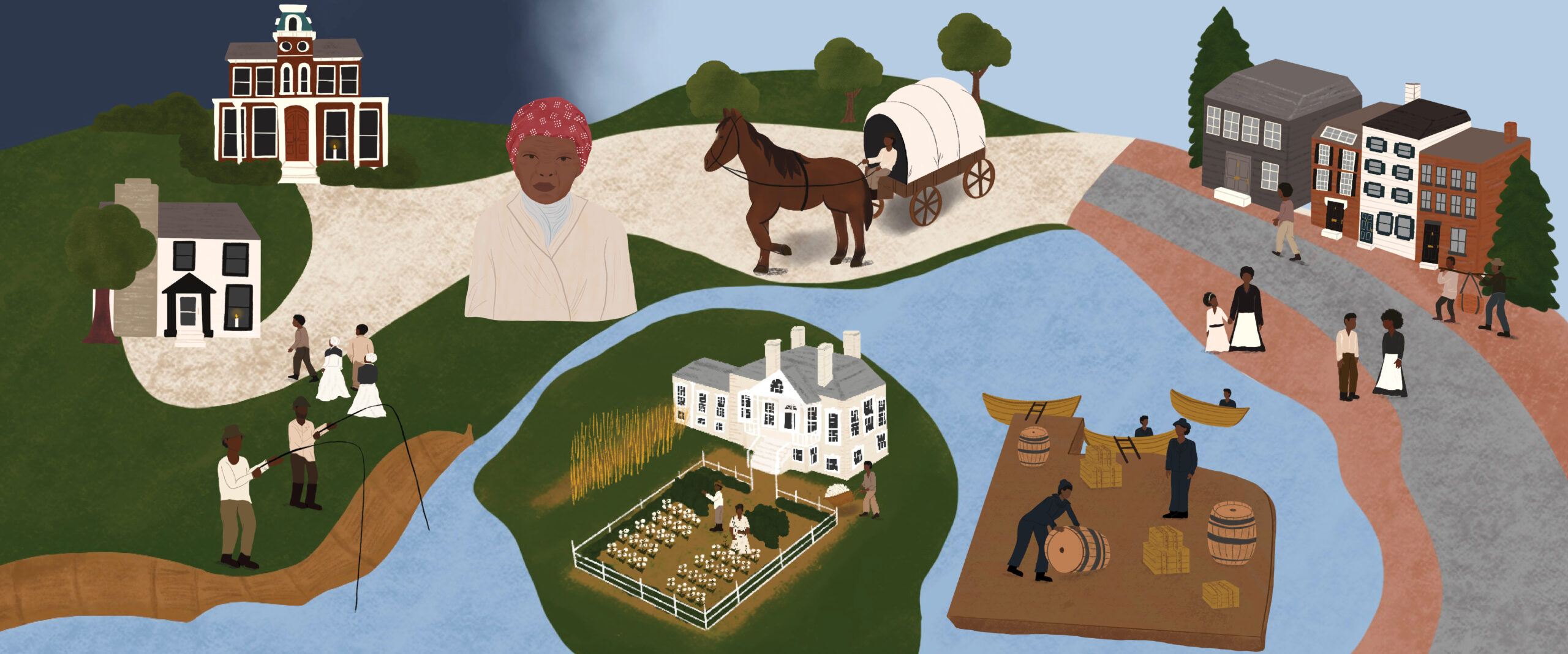
Outdoor Afro originates its second year of illustrated storytelling during Black History Month. For 2023, the organization collaborated with digital illustrator Dajah Callen to educate about one of the most well-organized networks by abolitionists to usher enslaved people out of the American South: the Underground Railroad. “Collaborating with Outdoor Afro for this Black History Month project was a natural fit since my work centers emotions and thoughts we sometimes find hard to put into words,” said Callen. “I also enjoy drawing nature.” Virtually visit trails and tours identified by the National Park Service’s National Underground Railroad Network to Freedom program and periodically toured by local Outdoor Afro networks throughout each year.
EXPLORE THIS ILLUSTRATED STORY
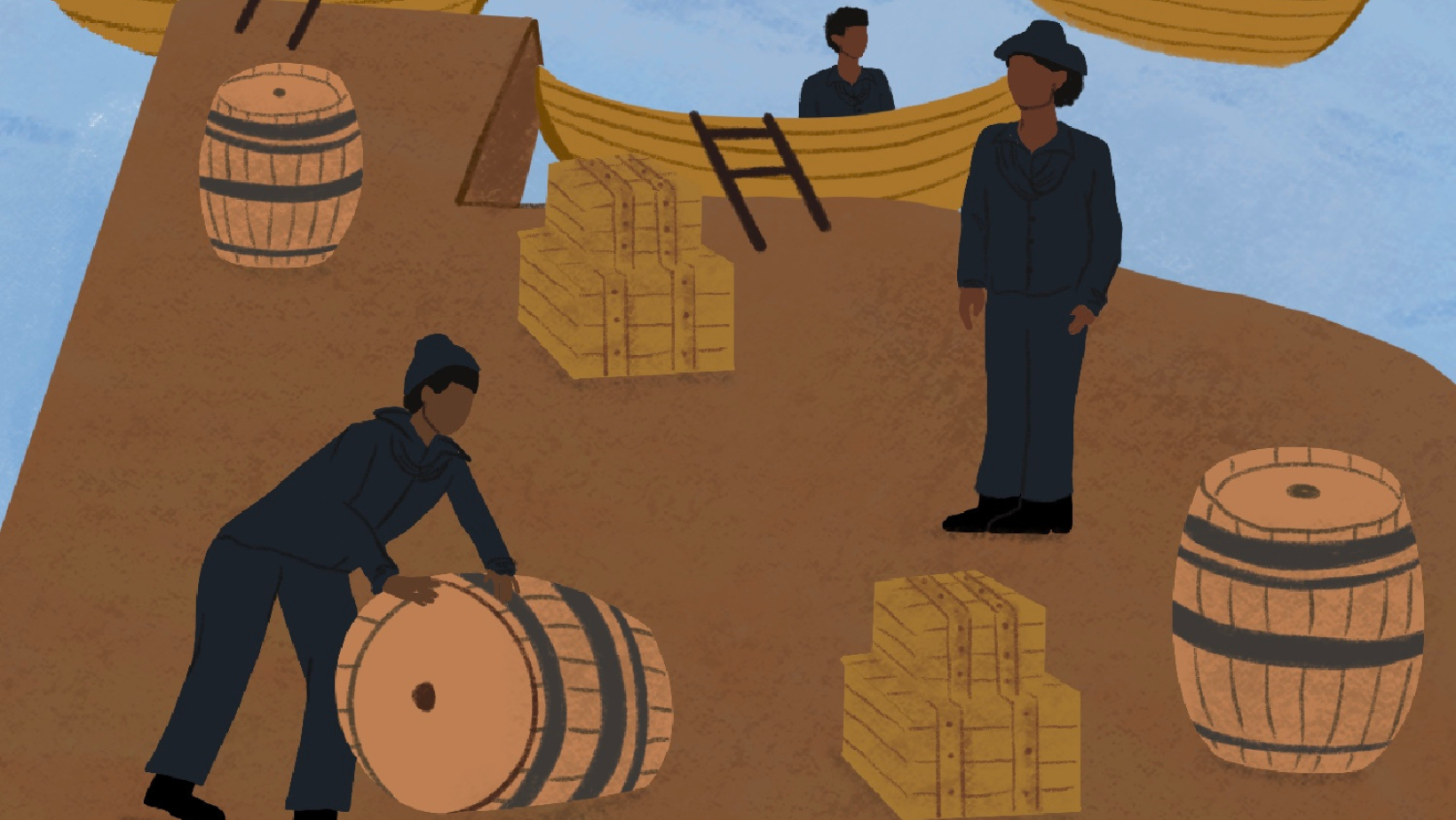
Callen’s illustrations depict the freedom train’s allegorical “conductors” who strategically mapped out and commonly led a matrix of “stations” from 1810 to 1850. These stations guided runaways (approximately 100,000) into liberation and provided temporary care. Some stations were shipyards. Others were safe houses (churches, barns, businesses). Modes of transportation used included boats, wagons, and freedom by foot. Harriet Tubman served as one of the railroad’s distinguished conductors. She learned about the secret communications that happened on trade routes and applied the course knowledge. Her leadership as an outdoor navigator and wilderness survival expert earned her the Biblical title of “Black Moses.”
She, along with fellow conductors, operated canals, trails, bays, rivers, ferries, and forests as routes to help enslaved people escape. Tubman is known for guiding more than 13 trips to the South. It’s estimated she freed more than 70 enslaved people, including family and friends. In the spirit of the Underground Railroad’s national reach and mission, Outdoor Afro selects and trains a network of more than 100 volunteer leaders who lead their neighborhoods in nature. With networks in 60 cities and up to 32 states throughout the United States, volunteer leaders guide more than 60,000 people nationwide annually to explore land, water, and wildlife.
Outdoor Afro volunteer leaders help reintroduce local Black history stories like the Underground Railroad. Volunteer leaders serve as community “conductors” while guiding monthly outdoor activities. In addition to scheduling and hosting neighborhood historical tours, leaders use social media to connect and invite community participants to multigenerational experiences in nature. These backyard activations include biking, gardening, kayaking, fishing, bird watching, swimming, and other requested community adventures.
Outdoor Afro National Program Director Chaya Harris sees the digital storytelling series as magnifying Black history in nature, showing that Black people were – and still are – skilled communicators, navigators, merchants, entrepreneurs, farmers, craftspeople, and more: “Outdoor Afro’s networks often take community participants to modern-day tours and trails connected to the Underground Railroad,” said Chaya Harris. “By the end of these historical visits with our network leaders and participants, we’re reminded that a lot of thought, planning, and people went into this ongoing journey toward freedom.”
ABOUT OUTDOOR AFRO: Outdoor Afro is a national not-for-profit organization that celebrates and inspires Black connections and leadership in nature. What started as a kitchen table blog by Founder and CEO Rue Mapp in 2009 has since grown into a cutting-edge nationwide movement with 100-plus volunteer leaders in 60 cities with network participation reaching more than 60,000 people. Outdoor Afro reconnects Black people with the outdoors through outdoor education, recreation, and conservation. Follow Outdoor Afro at outdoorafro.org and @outdoorafro today.
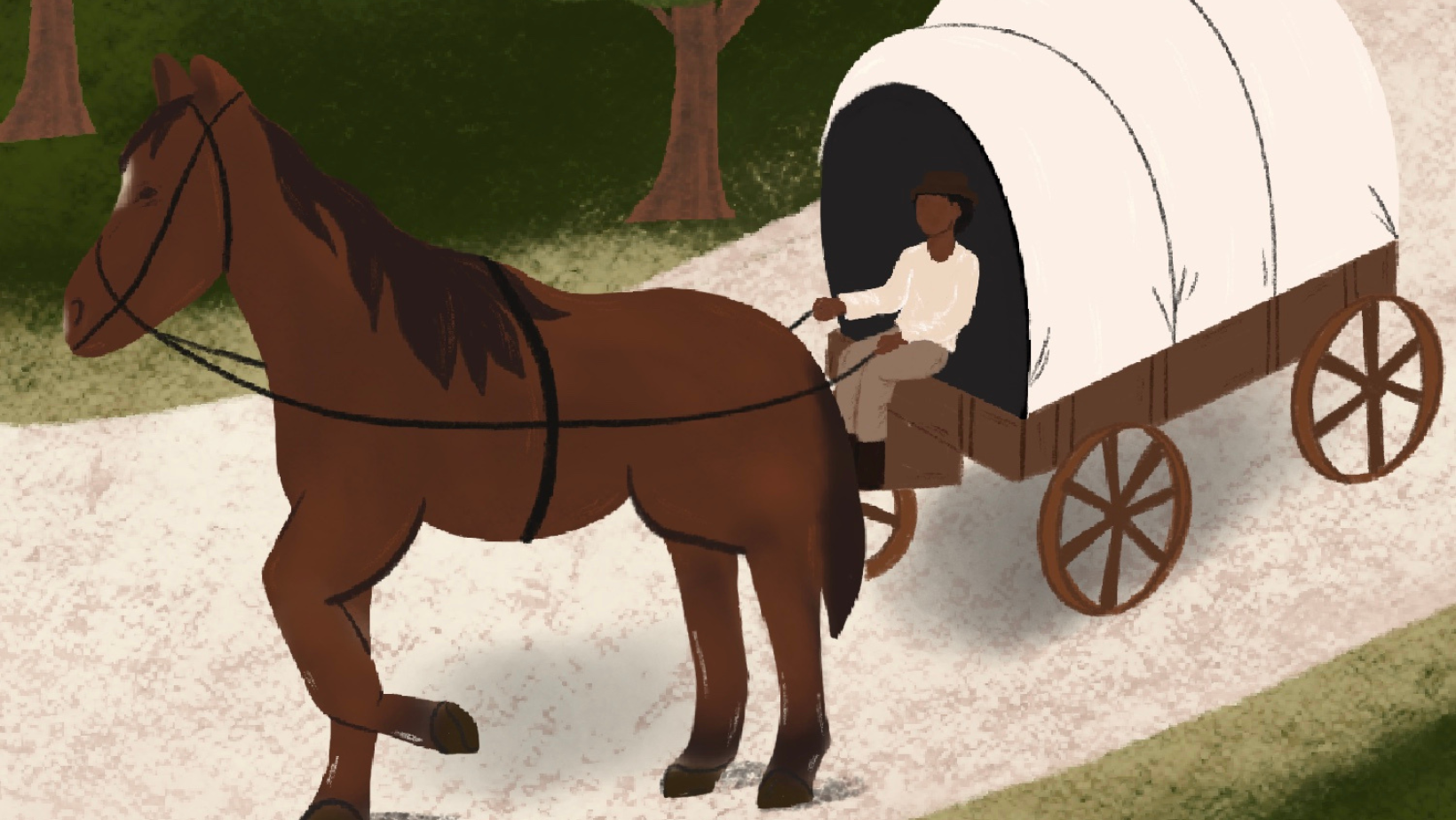
*Outdoor Afro's Black History Month 2023 illustrated scenes of the Underground Railroad. Artwork by Dajah Callen