
Hiking with Friends: The Do’s and Don’ts of Group Adventures
Group hikes are some of the best ways to enjoy nature and deepen friendships—but they’re also where logistics can get tricky. Here’s a quick guide to help your next group outing go smoothly:
Do:
- Agree on a trail that matches everyone’s ability.
- Pack extra snacks and water to share.
- Keep a flexible attitude—plans may shift!
Don’t:
- Leave folks behind. Stick together or designate a leader and sweeper.
- Forget to check the weather or trail conditions ahead of time.
- Assume everyone knows the route—bring a map or GPS.
Above all, focus on the fun. With good planning and group care, your hike is sure to be full of laughter, connection, and shared memories.


Exploring Black History in Las Vegas
Las Vegas might be known for its glitz and glamour, but if you take the time to look past the neon lights, there’s an important and often overlooked story to uncover: the legacy of African American culture and activism that shaped the city we know today.
The Historic Westside: A Pillar of Black Resilience
Our journey starts in the Historic Westside, the heart of Las Vegas’s Black community for decades. This area, though now experiencing gentrification, was once a thriving center of Black life, offering refuge and opportunity during the Jim Crow era.
Here, you’ll find the African American Museum and Library at Oakland, which provides an in-depth look at the experiences of African Americans in Las Vegas. From early pioneers to modern-day changemakers, this museum tells the complex stories of struggle, success, and community-building that have shaped the city.
Legacy and Reflection at the Walker African-American Museum
A short drive away, the Walker African-American Museum offers a quieter, more intimate experience. Inside, the walls are lined with photographs, documents, and artifacts that span generations. You’ll encounter personal stories of African Americans who were essential to Las Vegas’s development but often remained in the shadows of mainstream history. Each display is an invitation to pause, reflect, and honor the unsung heroes whose contributions shaped the city.
Modern Culture: Black-Owned Businesses That Define the City
While the museums offer a glimpse into the past, the businesses in Las Vegas today are the heartbeat of Black culture in the city. The Westside’s Black-owned restaurants, like TC’s Rib Crib and Gritz Cafe, offer more than just food—they serve as cultural touchstones, where recipes passed down through generations tell the story of resilience and tradition.
As you explore the local scene, don’t forget to support the small businesses making waves. Whether you’re shopping for handmade jewelry or catching live music, Las Vegas’s Black entrepreneurs continue to push the boundaries of creativity, community, and culture.
A Day Well Spent: Reflection and Empowerment
By the end of the day, you’ll have experienced Las Vegas in a new light. Beyond the glitz, the lights, and the entertainment, you’ll have connected with the history of the people who have long called this city home. As you reflect on what you’ve learned, you’ll understand that the true spirit of Las Vegas isn’t just in its casinos or its shows—it’s in its communities, its stories, and its people.
Take Action: Want to dive deeper? Consider joining local Black history walking tours or attending events hosted by the Black Cultural Heritage District. The best way to understand a city is through its people, and there’s no better way to honor the past than by supporting the culture and businesses that continue to shape the future.
Ways to Bring Nature Into Your Home
You don’t have to live in the forest to feel connected to nature. With a few thoughtful choices, your home can become a calming, nature-inspired space that supports your wellness, invites curiosity, and reminds you of your connection to the Earth.
Here are a few easy and meaningful ways to bring the outdoors in—no matter where you live.
🌿 Add a Few Plants (Or Start a Windowsill Garden)
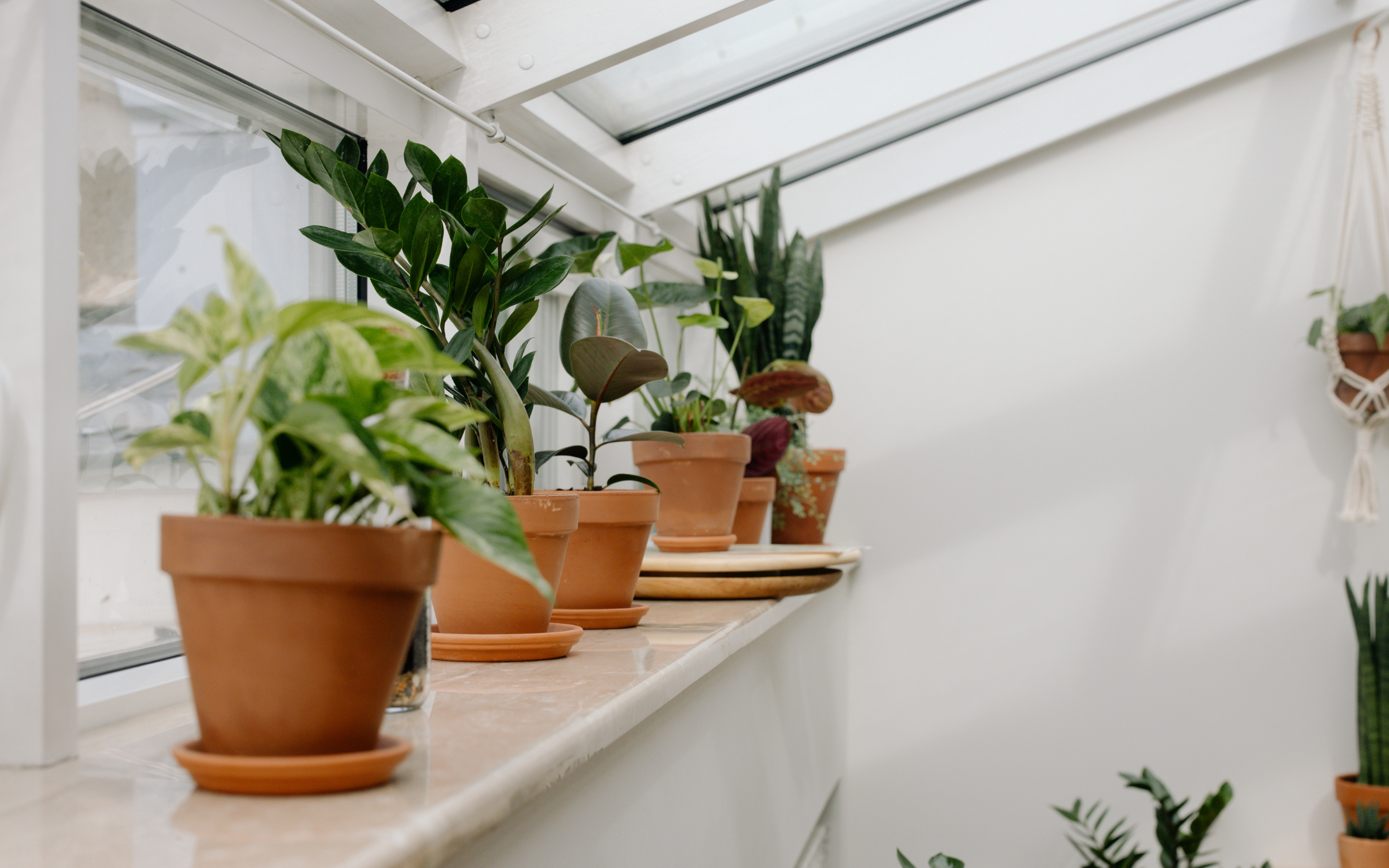
Houseplants are an easy and powerful way to improve air quality and mood. Try low-maintenance options like pothos, snake plants, or peace lilies if you're just getting started.
For those with a little more sun, consider growing herbs indoors—basil, mint, and thyme thrive in small pots on a sunny windowsill. It’s a simple step toward urban gardening and supports your relationship with food and the growing process.
🪵 Use Natural Materials
Surrounding yourself with textures from the Earth—wood, stone, clay, cotton, or wool—can ground your space and make it feel more alive. Try a wooden bowl for fruit, linen napkins at the table, or a jute rug beneath your feet. Even small touches bring warmth and calm.
📚 Read Nature-Inspired Books or Art
Fill your shelves with books that celebrate the outdoors—memoirs, poetry, or field guides. You can also decorate with nature art or photographs that remind you of your favorite place to hike, swim, or just breathe.
📝 Start a Nature Journal—From Inside
You don’t have to be outside to observe the natural world. Try sketching a leaf you found on a walk, jotting down moon phases, or noticing how the light changes through the seasons. This simple ecological education practice builds mindfulness and appreciation.
Bringing nature into your home is about slowing down and noticing. These simple shifts can transform your space into a refuge—one that supports your well-being and keeps you rooted, even when you're indoors.

Walking Through History: Black Power Movements in the Bay Area
The Bay Area isn’t just known for its bridges, tech, or sourdough. It's also a powerful site of Black history—especially when it comes to movements that changed the course of civil rights and community empowerment.
If you’re looking for a way to connect with that history in a meaningful, grounded way, start in Oakland. The city was a central force in the rise of the Black Power movement, and many of the people, places, and stories that shaped the era are still here, echoing in museums, murals, and street corners.
The African American Museum and Library at Oakland (AAMLO) is a must-visit. Tucked inside a historic Carnegie building, this space is more than just an archive—it's a living record of Black excellence, resistance, and community organizing in Northern California. Exhibits showcase everything from the roots of the Black Panther Party to local leaders whose names might not appear in national headlines, but whose work transformed neighborhoods and sparked change.
Want to take it further? Walk through West Oakland, where the Panthers established their headquarters and free breakfast programs for children. You can still see murals that honor their legacy, and if you pause, it’s easy to imagine the energy and urgency that once filled these streets.
This kind of sightseeing isn’t about checking off tourist boxes—it’s about remembrance, reflection, and appreciation. It’s also a way to keep these stories alive, not just in museums, but in everyday awareness.
📍 Pro Tip: Call ahead to AAMLO to find out what exhibits or special events are on when you plan to visit. Some collections rotate, and community conversations or talks are often free and open to the public.

Yoga in Nature: Mindful Movement in Atlanta’s Green Spaces
Move, Breathe, and Be Outdoors
Taking your yoga practice outside may sound simple, but it’s a powerful way to connect with nature and yourself. From Piedmont to Grant Park and the BeltLine, Atlanta’s parks are beautiful and welcoming spots to lay down your mat and tune in to nature.
Why Practice Yoga Outdoors?
Practicing yoga in nature can help you feel more grounded and present. The sounds of wind, birds, and rustling leaves offer a calming backdrop that studios can’t replicate. Plus, it’s a great reminder that wellness doesn’t have to be confined to four walls—sometimes grounding in nature is just what the mind and body needs.
A Community Practice
Many local instructors offer donation-based or free outdoor sessions that center Black wellness and joy. These gatherings are often open to all levels and celebrate community over competition. You don’t need to be “flexible” or experienced—just open to showing up.
What to Bring
A yoga mat or towel, water, and sunscreen are all you need. Some folks prefer to go barefoot to really feel the earth beneath them—this is often called grounding or earthing, which is the practice of connecting your bare feet to the earth. Most outdoor classes take place in the morning or early evening when temperatures are cooler.
Find a Flow That Feels Good
Whether you’re stretching solo or joining a group, yoga outdoors is a chance to breathe deeply, reset, and be fully present. It’s not about perfection—it’s about pausing to care for yourself and connect with nature.
Community Gardening in Austin: Cultivating Connection and Culture
In Austin, community gardens are more than places to grow food—they’re places to grow culture, connection, and empowerment.
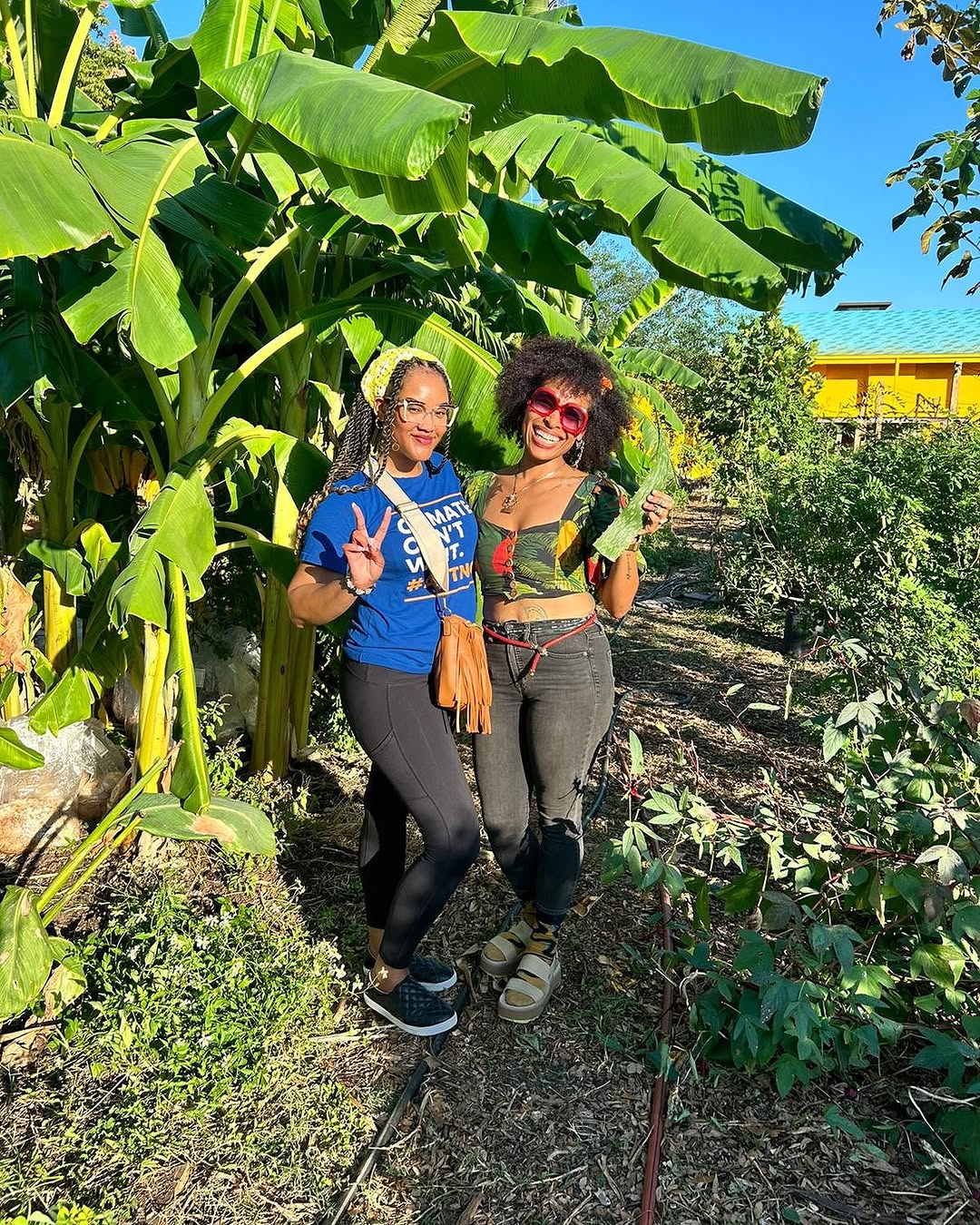
From East Austin to South Congress, these shared spaces bring people together to exchange stories, heritage, and homegrown wisdom. For many Black families and individuals, gardening is a form of ancestral reclamation—a way to reconnect with the land and each other.
What makes Austin’s community gardens special?
🌱 Fresh herbs, veggies, and native plants grown with intention
🫱🏾🫲🏿 Gardening workshops and education rooted in food justice
🧺 Community potlucks, seed swaps, and intergenerational learning
Community gardening isn’t just about what’s planted in the soil—it’s about what’s nurtured in the heart. These spaces uplift traditions and foster empowerment through shared experience, all while supporting local food systems and sustainability.
If you’re in Austin and looking to get involved, visit your local garden or volunteer through organizations working to center BIPOC voices in food and farming.
10,000 Steps to Denali, Temescal Hike, and National Outdoors Day!


It's Alisha, Outdoor Afro Los Angeles Leader. This Saturday June 8th we had a Temescal Canyon Hike planned in the Santa Monica Mountains to support the first African American group to hike Denali. So our hike was in support of the 10,000 steps to Denali trek. Our hike also coincided with National Outdoors Day.
We started our day at Baldwin Hills Scenic Overlook where there were activities planned for the kids. They had camping gear set up to show how to set up a camp.

Along with camping gear lessons they also allowed children (and big kids like myself) to create buttons and bookmarks to show their support of 10,000 steps to Denali.

From BHSO, we met up with another group of teens from Watts and Compton inner city program who have had little exposure to the outdoors. We were paired with them through the Santa Monica Mountains Conservatory to encourage them to get outdoors more. Santa Monica Mountains Conservatory provided a bus and an amazing guide Anthony to take us on our hike and explore the canyon.

We got to Temescal and had a quick snack on the lawn, took a photo with both groups and paired off into two different groups to meet at the waterfall. There were so many of us we didn't want to overwhelm the trail.


On our way up we saw caterpillars, lizards, a garden snake and a red-tailed hawk. In true LA fashion we also saw a film crew filming a movie, haha. When we reached the top we sat for a bit and let the kids play around the waterfall which was dry. Anthony explained we're in a dry season. We had to watch out for poison oak. Quick tip: if its three let it be. If you see leaves in clusters of three leave them alone.


Many thanks to Kleen Kanteen and REI for keeping us hydrated. Thank you REI for keeping me warm and to Keen shoes for making my hike comfy. I also want to acknowledge Clif Bars for snack bars for the kiddos. We had an amazing time. Looking forward to many more collaborations with Santa Monica Conservatory, your rangers are amazing and knowledgeable. Thank you Anthony and Iann the volunteer.


Oh yes on our way down the canyon we came to a beautiful open field and my sister and the kids decided to jump and play.

