
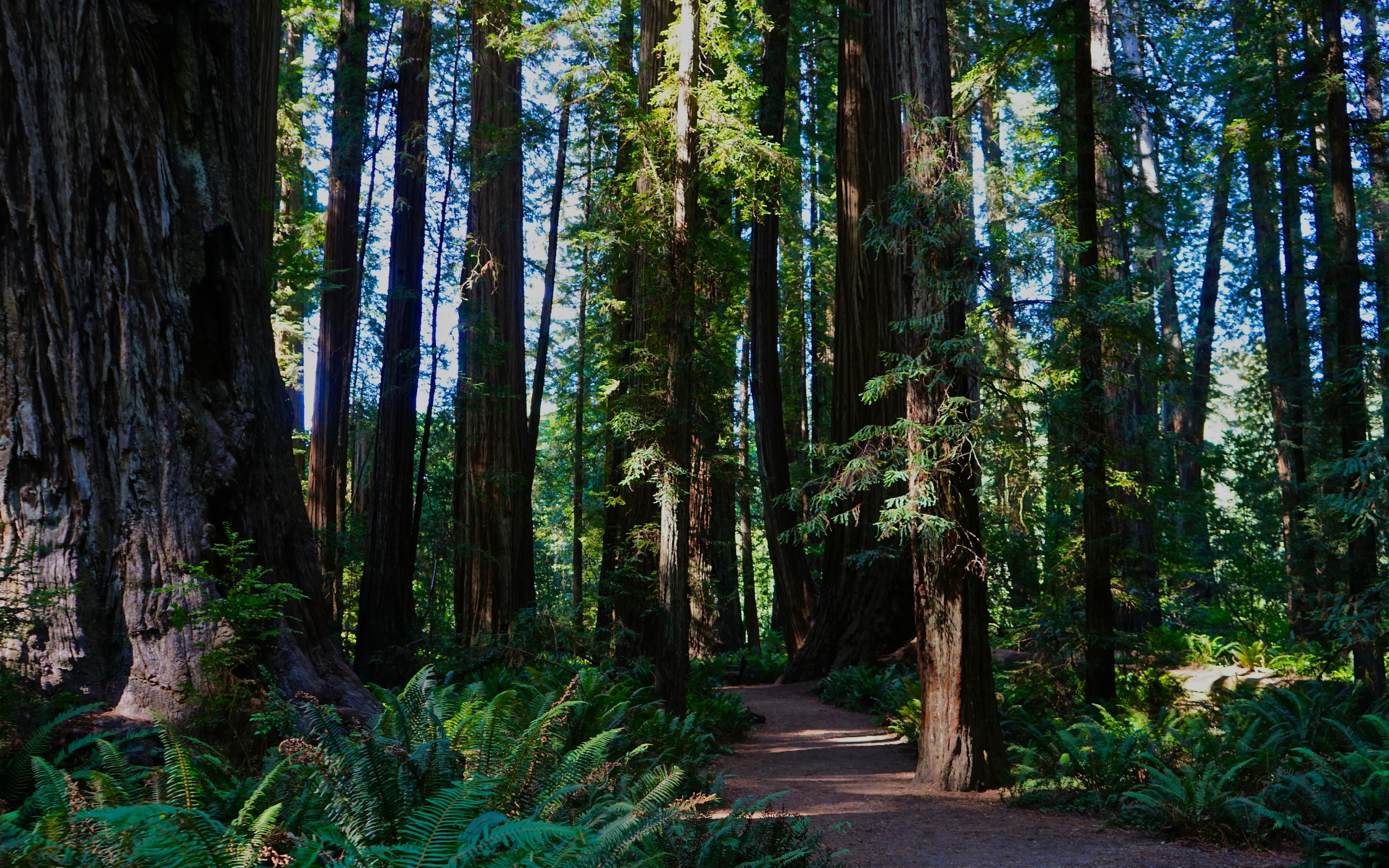
Nature's Classroom: Environmental Education in NorCal's Parks
Northern California is home to some of the most biodiverse and breathtaking natural spaces in the country—and it’s also a hub for environmental education. From towering redwoods to coastal wetlands, the region offers countless opportunities to learn while spending time outdoors.
Local organizations and park systems have created programs that make ecology, conservation, and climate science accessible to all ages. Think guided nature walks where you learn how native plants support pollinators, or community science projects where you can track bird migrations or water quality.
Whether you’re joining a structured class or taking a self-led hike with a field guide in hand, NorCal’s parks turn outdoor time into meaningful, eye-opening experiences. Bring your curiosity (and maybe a notebook), and let nature do the teaching.


Hiking with Friends: The Do’s and Don’ts of Group Adventures
Group hikes are some of the best ways to enjoy nature and deepen friendships—but they’re also where logistics can get tricky. Here’s a quick guide to help your next group outing go smoothly:
Do:
- Agree on a trail that matches everyone’s ability.
- Pack extra snacks and water to share.
- Keep a flexible attitude—plans may shift!
Don’t:
- Leave folks behind. Stick together or designate a leader and sweeper.
- Forget to check the weather or trail conditions ahead of time.
- Assume everyone knows the route—bring a map or GPS.
Above all, focus on the fun. With good planning and group care, your hike is sure to be full of laughter, connection, and shared memories.
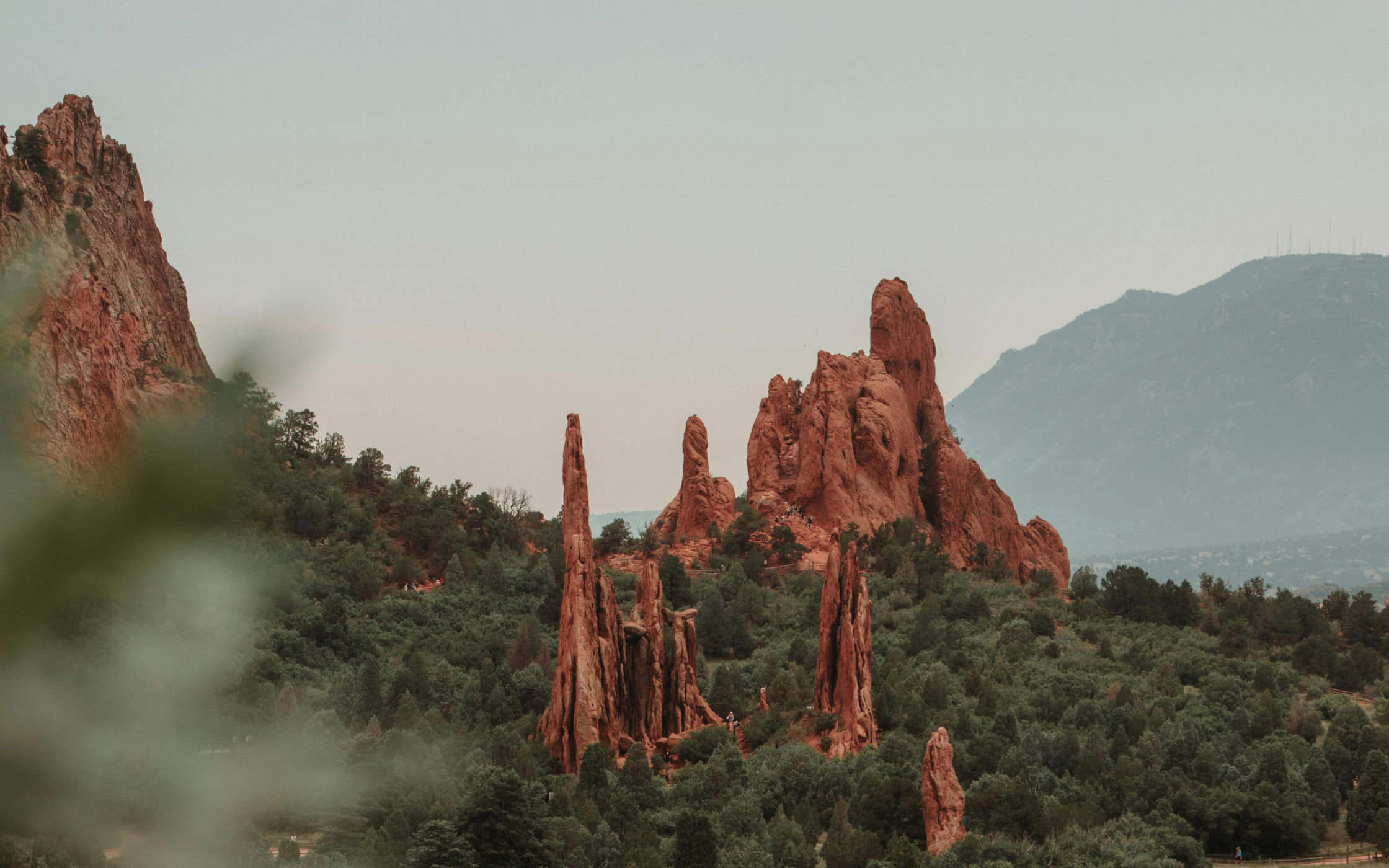
Hiking the Rockies: Trails Near Denver
The Rockies call—and Denver is the perfect home base to answer. Nestled near some of Colorado’s most iconic landscapes, the city offers easy access to a wide range of hiking trails that combine stunning views with immersive lessons in local ecology. Whether you're a seasoned hiker or just getting started, these trails provide the perfect opportunity to stretch your legs, breathe in that crisp mountain air, and learn more about the ecosystems that make this region so special.
1. Chautauqua Park – Boulder
Just about 40 minutes from Denver, Chautauqua Park is a gateway to the Flatirons—those slanted sandstone slabs you’ve probably seen in Colorado postcards. The trails here vary from beginner-friendly strolls to more challenging ascents. Along the way, you’ll spot ponderosa pines, wildflowers in the warmer months, and plenty of birds, butterflies, and bees doing their thing. Interpretive signs along some trails highlight native plant species and geological history.
2. Mount Falcon East Loop
Only 30 minutes from the city, this scenic loop in Morrison offers panoramic views of Red Rocks Amphitheatre and downtown Denver in the distance. The trail is a local favorite for both its beauty and its educational value. Hikers can explore the ruins of a historic stone house while learning about early conservation efforts in the region. Watch for mule deer, hawks, and the occasional fox.
3. South Valley Park
This lesser-known gem in Littleton is a great option for a mellow hike with big payoffs. The red rock formations here are reminders of the area's ancient geological history, and the gentle trails wind through scrub oak, prairie grasses, and wetlands. It's a great spot for birdwatching and nature journaling, especially in the early morning hours.
4. Bear Creek Trail at Lair o’ the Bear Park
If you’re looking for a trail that follows water (and who isn’t?), this one’s for you. Shaded paths run alongside Bear Creek, creating a peaceful environment for spotting riparian plant life and listening for the calls of songbirds. It’s also a great option for families or anyone wanting a shorter, more relaxed outdoor experience.

Nature's Classroom: Hiking Trails Around Cookeville
If you're in or around Cookeville and looking for a way to unwind, reconnect, or just get a little fresh air, you’re in luck—this area is packed with trails that feel like a nature class you actually want to attend.
Let’s start with a favorite: Burgess Falls State Park. It’s got dramatic waterfalls, sure—but also some seriously beautiful scenery for anyone who likes to pause, observe, and maybe jot a few things down. We’re talking moss-covered rocks, birds flitting through the canopy, and plenty of spots to sit and take it all in.
If you want something a bit more low-key, Cane Creek Greenway is a solid pick. The paved path is great for a slow walk (or a stroller-friendly family outing), and you can still spot wildflowers, turtles, and the occasional deer. It's the kind of place where a short stroll somehow turns into a full-on nature moment.
Here’s a fun idea: next time you head out, bring a tiny notebook—or just open your phone’s notes app—and try nature journaling. No pressure. Just write what you see, hear, or feel. The crunch of leaves, the shape of a shadow, or the sound of a woodpecker doing its thing—it all counts.
Hiking near Cookeville isn’t just about getting your steps in. It’s a chance to slow down and remember that nature has a lot to say—if we’re paying attention.
Want to turn your next hike into a journaling adventure? Try noting:
- 3 things you see
- 2 things you hear
- 1 thing you feel
That’s it. Simple, grounding, and surprisingly powerful.
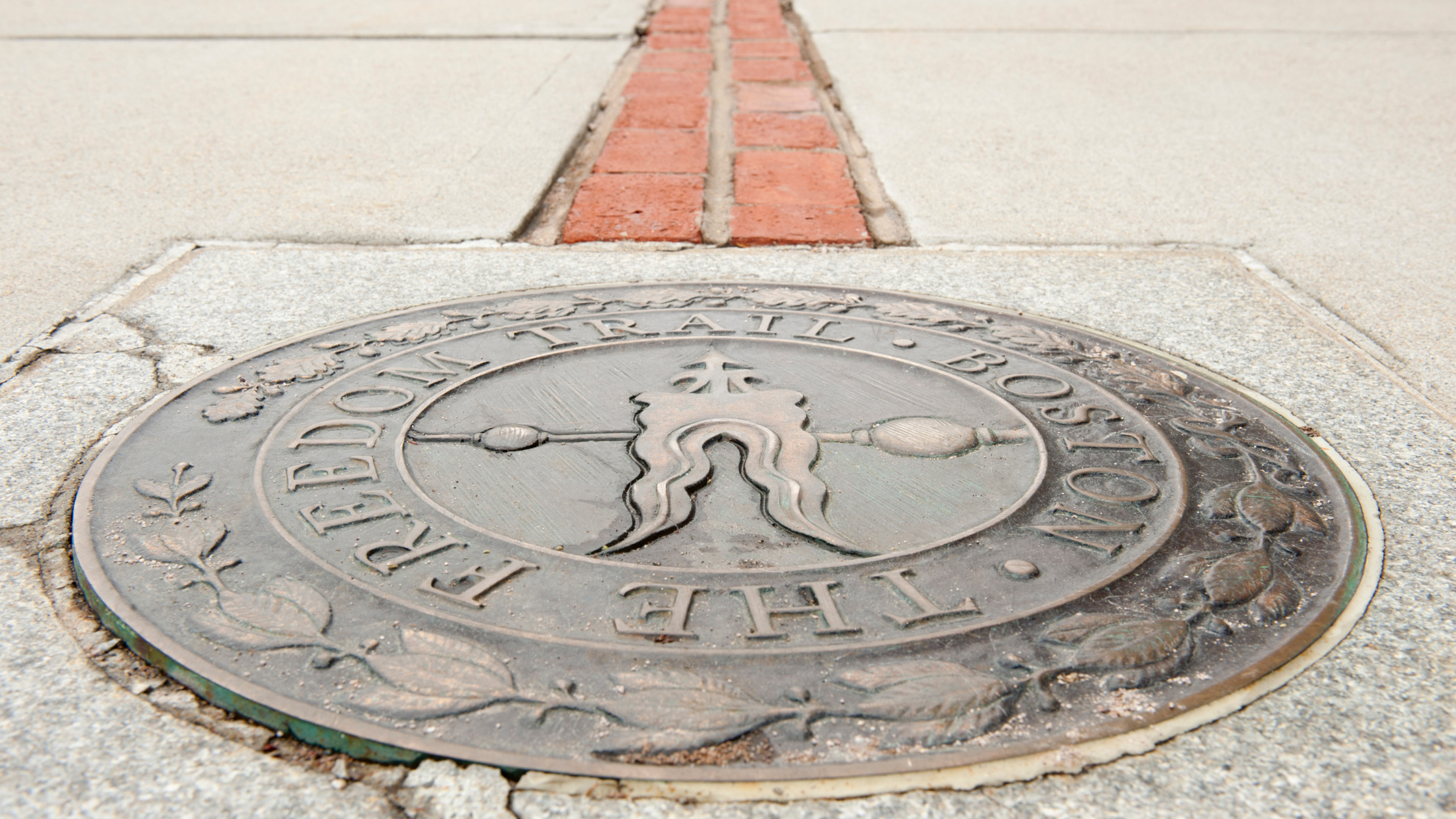
Freedom Trail: Exploring Boston’s Black Heritage
A Walk Through History, Right in the Heart of the City
Boston is full of iconic landmarks, but beyond the cobblestone streets and historic buildings lies a deeper story—a story of resistance, resilience, and community. The Black Heritage Trail® is a powerful way to walk in the footsteps of free Black Bostonians who helped shape the fight for freedom.
More Than Just a Tour
This isn’t your average history walk. Along the 1.5-mile trail through Beacon Hill, you’ll discover homes, schools, and churches that were part of a thriving 19th-century Black community. The Boston African American National Historic Site includes key stops like the African Meeting House and the Abiel Smith School—spaces where education, organizing, and advocacy took root.
Highlights Along the Trail
Here are a few stops to look out for:
- The African Meeting House – The oldest Black church still standing in the U.S.
- Smith Court Residences – Former homes of free Black citizens.
- The Phillips School – One of Boston’s first integrated schools.
- George Middleton House – Home of a Black Revolutionary War veteran and community leader.
You can join a ranger-led tour or follow a self-guided map using the National Park Service app—perfect for taking the trail at your own pace.
Why It Matters
This trail reminds us that Black history is American history. Every building, every street corner tells a story of courage, community, and the ongoing fight for justice. It’s not just about the past—it’s about how those legacies live on today.
Tips for Your Visit
- Start at the Museum of African American History for context.
- Wear comfortable shoes—Boston’s brick sidewalks are charming but uneven.
- Bring a friend or family member and reflect together as you walk.
Take the Time to Reflect
Whether you’re local or visiting for the weekend, the Black Heritage Trail is a powerful reminder of what it means to stand up, speak out, and build something lasting. ✊🏽