

Wellness Tips: 10-Minute Nature Reset
Need a breather but don’t have time for a full hike? A 10-minute nature reset can work wonders. This short and intentional practice reconnects you to the outdoors—and yourself—no matter where you are.
Here’s how:
- Step outside. It could be your yard, balcony, or a park bench.
- Pause and breathe. Notice what you hear: birdsong, rustling leaves, your own breath.
- Look around. Pick one thing to focus on—a leaf, a cloud, or the texture of bark.
- Journal or reflect. Jot down a few words or take a mental note of how you feel.
The goal isn’t to “do it right”—it’s simply to notice. A little nature time, consistently practiced, can be incredibly grounding.


Make It a Moment: How to Celebrate Milestones Outdoors
There’s something powerful about marking milestones under the open sky. Nature has a way of holding space for joy, reflection, and transformation.
Whether you're celebrating a birthday, graduation, or personal healing, here are some ways to make the moment meaningful outdoors:
- Picnic with intention. Bring favorite foods and share affirmations or stories.
- Sunrise or sunset ceremony. Gather friends or go solo to witness the shift in light as a symbol of your milestone.
- Create a memory object. Pick up a fallen leaf or smooth stone to commemorate the occasion.
- Move together. A group hike or paddle can turn celebration into connection.
The outdoors reminds us to slow down and savor each chapter of life. Whatever you're honoring, let nature be part of the story.
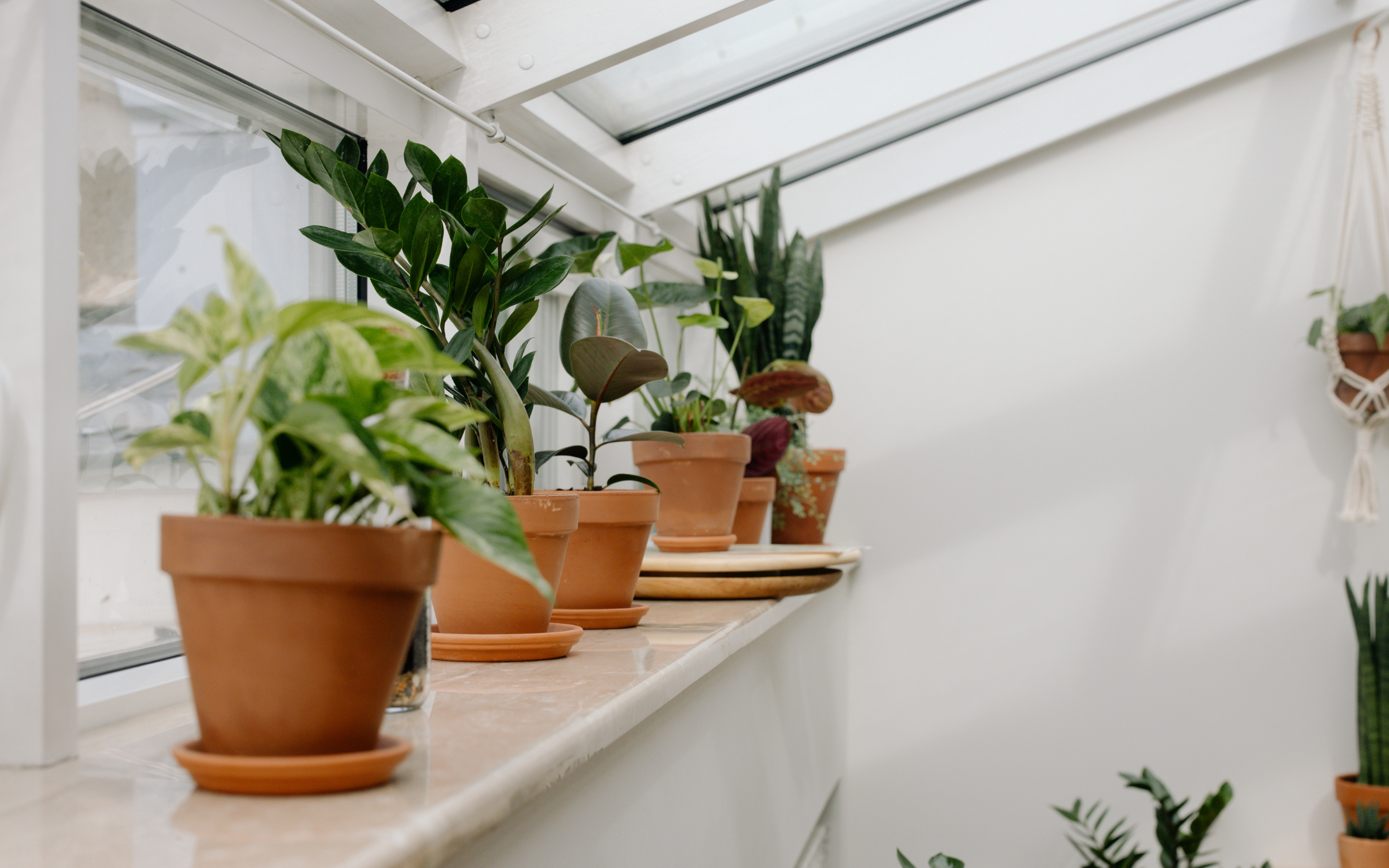
Ways to Bring Nature Into Your Home
You don’t have to live in the forest to feel connected to nature. With a few thoughtful choices, your home can become a calming, nature-inspired space that supports your wellness, invites curiosity, and reminds you of your connection to the Earth.
Here are a few easy and meaningful ways to bring the outdoors in—no matter where you live.
🌿 Add a Few Plants (Or Start a Windowsill Garden)
Houseplants are an easy and powerful way to improve air quality and mood. Try low-maintenance options like pothos, snake plants, or peace lilies if you're just getting started.
For those with a little more sun, consider growing herbs indoors—basil, mint, and thyme thrive in small pots on a sunny windowsill. It’s a simple step toward urban gardening and supports your relationship with food and the growing process.
🪵 Use Natural Materials
Surrounding yourself with textures from the Earth—wood, stone, clay, cotton, or wool—can ground your space and make it feel more alive. Try a wooden bowl for fruit, linen napkins at the table, or a jute rug beneath your feet. Even small touches bring warmth and calm.
📚 Read Nature-Inspired Books or Art
Fill your shelves with books that celebrate the outdoors—memoirs, poetry, or field guides. You can also decorate with nature art or photographs that remind you of your favorite place to hike, swim, or just breathe.
📝 Start a Nature Journal—From Inside
You don’t have to be outside to observe the natural world. Try sketching a leaf you found on a walk, jotting down moon phases, or noticing how the light changes through the seasons. This simple ecological education practice builds mindfulness and appreciation.
Bringing nature into your home is about slowing down and noticing. These simple shifts can transform your space into a refuge—one that supports your well-being and keeps you rooted, even when you're indoors.

How to Start Birdwatching (Even if You Don’t Know a Sparrow from a Chickadee)
You don’t need to buy fancy binoculars, have a field guide, or even know a cardinal from a crow to start birdwatching. All you need is curiosity... and maybe a few moments of quiet.
Birdwatching (or birding) is a great way to connect with nature, whether you’re in your backyard, on a city street, or walking a trail. It’s accessible, calming, and beautiful.
Here’s how to get started, no experience required:
👀 Just look up. Spend five quiet minutes outside. What do you see? What do you hear?
📱 Try a bird ID app. Free apps like Merlin or Audubon Bird Guide can help you recognize common species.
📝 Start a casual bird journal. You don’t need to know names—just jot down what you observe: color, sound, size, or where you saw it.
🌿 Notice the patterns. Are certain birds more active at specific times of day? Do they return to the same tree?
Birding is a practice in paying attention. The more you watch, the more you’ll see. And as your awareness grows, so does your connection to the natural world around you!
This beginners guide is perfect for first-time birdwatchers, families with kids, or anyone wanting to build a deeper relationship with local ecosystems—no expertise needed.
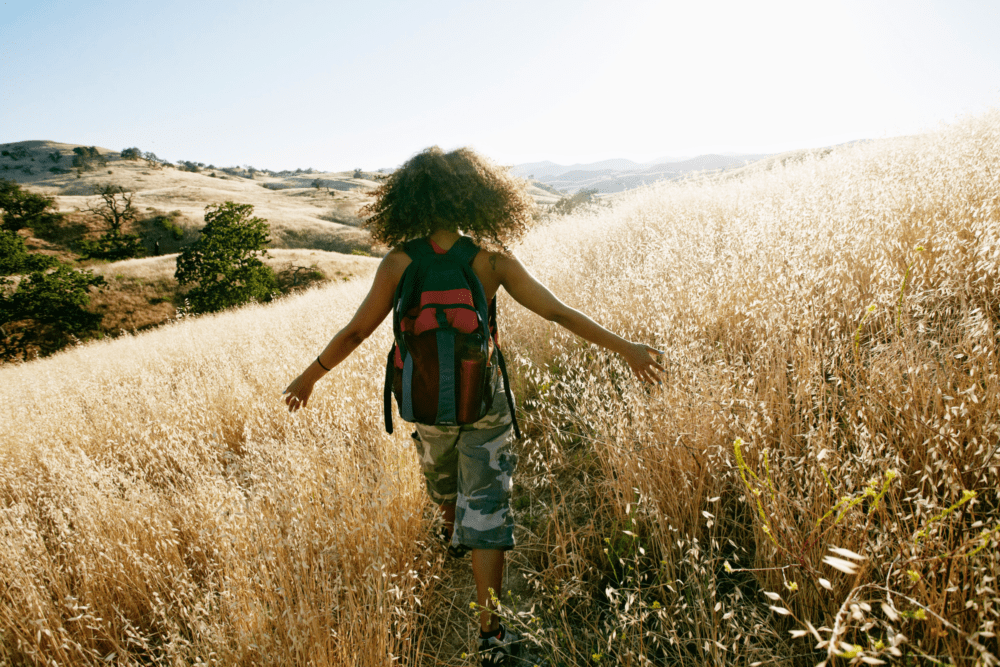
Don’t Hit The Trails Before Reading This
Your Adventure Awaits! Just registered for an exciting hiking trip? Fantastic! To ensure you have a safe and enjoyable experience, preparation is key. Here's a quick guide to get you ready:
BEFORE YOU GO: PREPARATION IS PARAMOUNT
Fitness Check:
- Assess your current fitness level. If you're new to hiking, start with shorter walks and gradually increase distance and elevation.
- Focus on cardiovascular exercise and leg strength.
Gear Up
- Break in your boots—Don't wait until the trail! Wear your hiking boots on several shorter walks to prevent blisters.
- Check the weather forecast and plan your layers accordingly.
Know the Route
- Familiarize yourself with the trip's itinerary, elevation gain, and trail conditions.
- If possible, research the area and look at trail maps.
Pack Smart
- Create a checklist and start gathering your essentials.
WHAT TO BRING: ESSENTIAL GEAR FOR A SAFE HIKE
Footwear
- Sturdy, waterproof hiking boots or shoes with good ankle support.
- Moisture-wicking socks to prevent blisters.
Clothing
- Layered clothing: a moisture-wicking base layer, an insulating mid-layer (fleece or light down), and a waterproof/windproof outer layer.
- Hiking pants or shorts (depending on weather).
- A hat and gloves or a buff, depending on the weather.
Navigation
- A map and compass (if applicable) or a GPS device/hiking app.
- A fully charged phone (but don't rely on it solely).
Essentials
- A backpack suitable for the length of the hike.
- Plenty of water (hydration is crucial!).
- Snacks and/or lunch (high-energy foods).
- A first-aid kit.
- A headlamp or flashlight (with extra batteries).
- Sunscreen and sunglasses.
- A small multi-tool or knife.
- A whistle.
- Trekking poles are very helpful for many hikers.