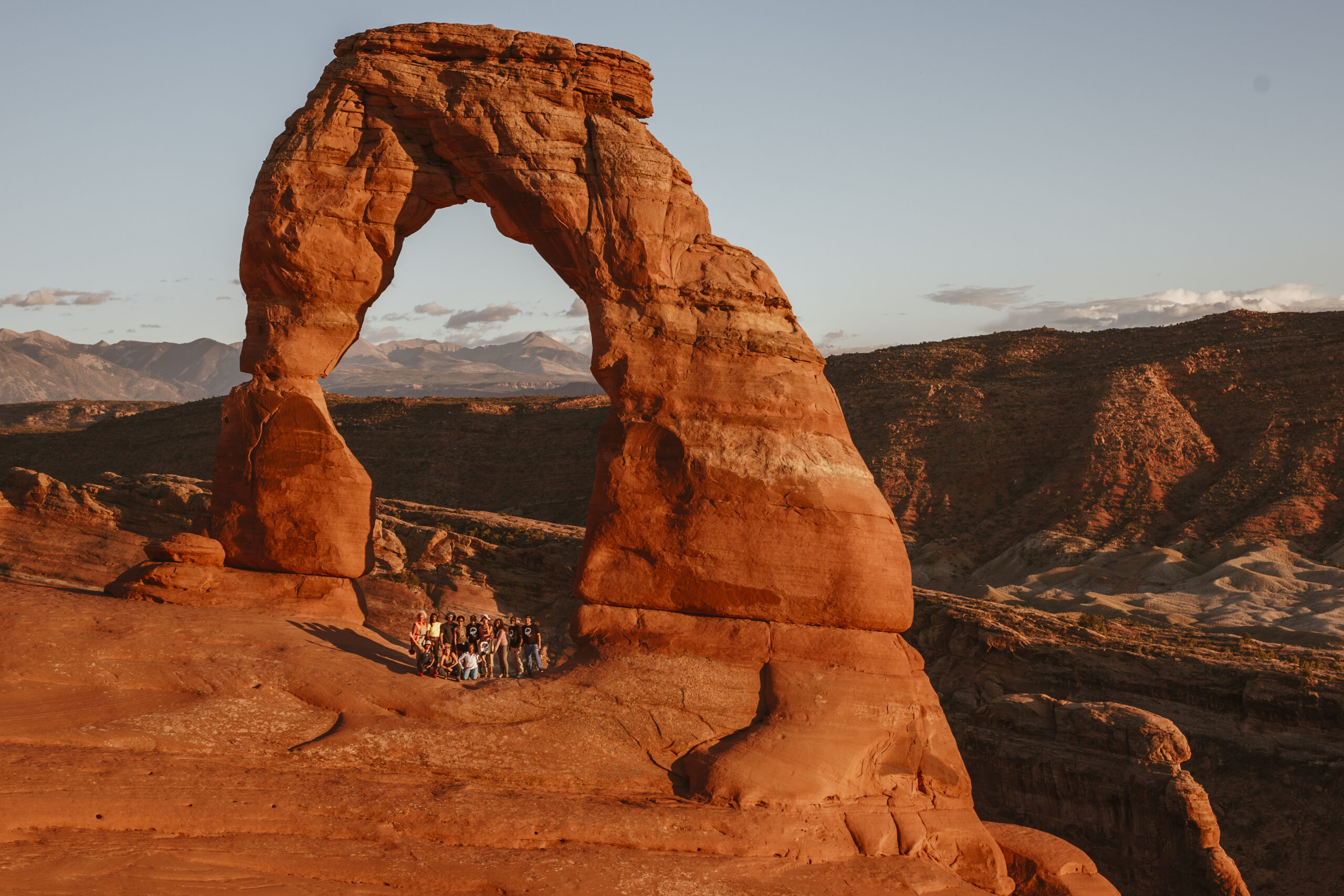
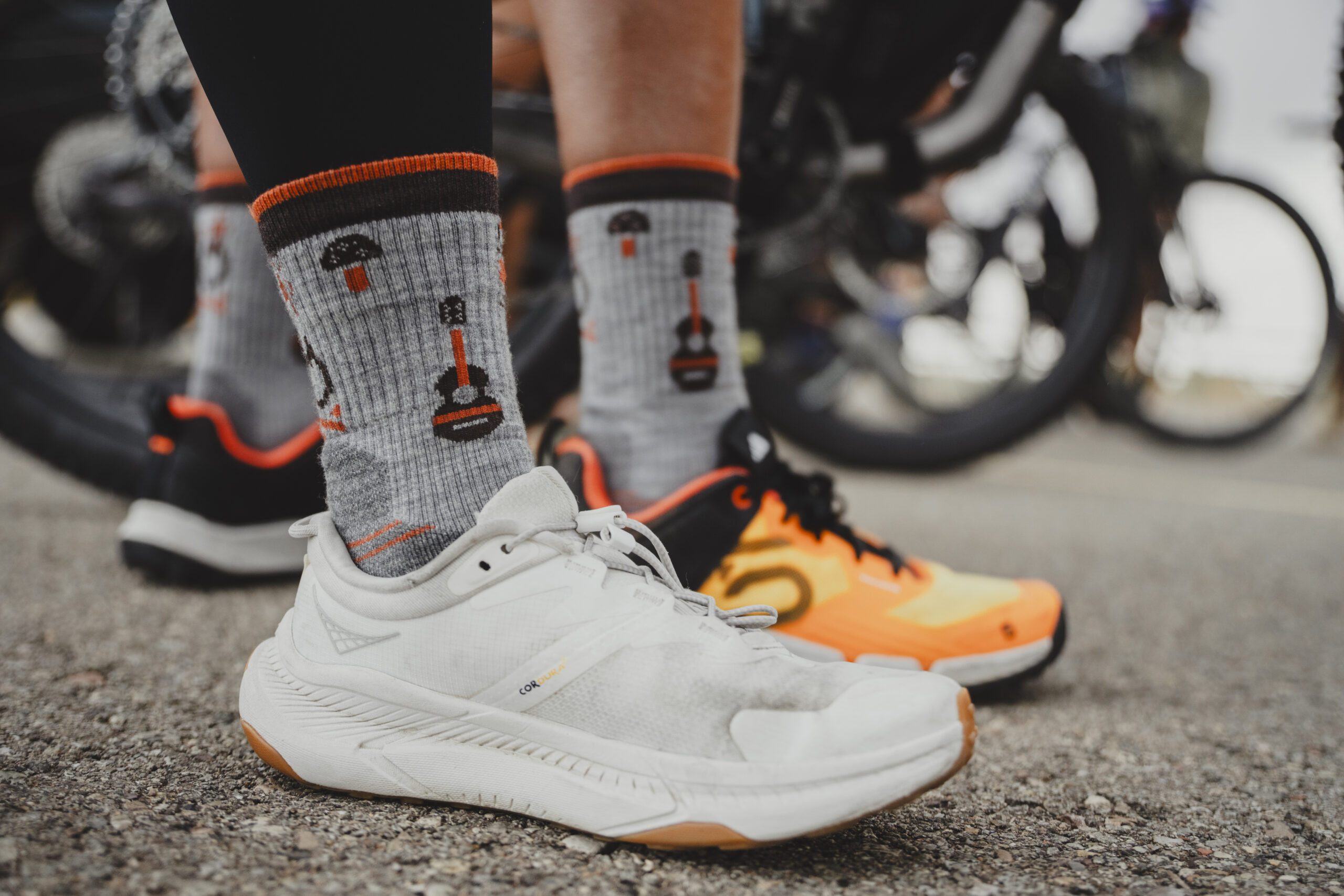
Outdoor Afro’s mountain adventure in Moab sporting these fly sock designs by Smartwool
Ten Outdoor Afro volunteer leaders from across the United States swooped into Moab, Utah, during September to add new skill-building experiences to their monthly network activities happening across local communities. “We got to know Moab and its offerings so well,” said Mardi Fuller, a four-year volunteer leader who guides Outdoor Afro’s local Boston network. “After the February 2021 skiing Capstone, I felt equipped and empowered to implement annual ski programs into my network. This desert Capstone has me dreaming about mountain biking and e-biking events.” As one of the national not-for-profit organization’s annual professional development opportunities, this year’s Moab Capstone in Southeastern Utah traveled to Arches National Park and other nearby nature attractions.
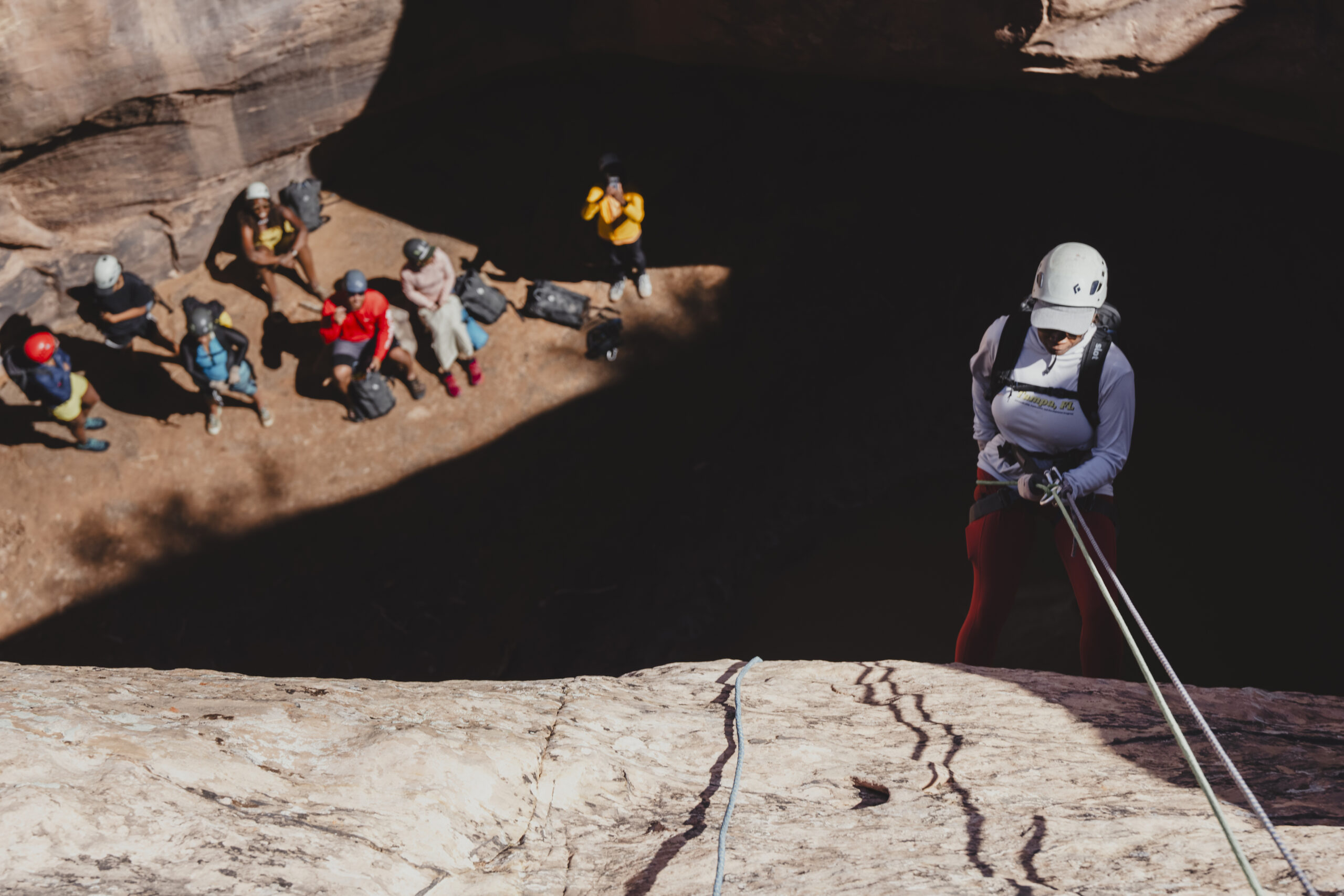
Outdoor adventure coach Shawn Brokemond of Sports Adventure led the capstone. She introduced volunteer leaders to some of the region’s most popular outdoor activities: canyoneering, mountain biking, packrafting, and stargazing. “It was super helpful to observe Shawn's leadership and teaching style – as well as all of the guides we worked with,” said Fuller. “I will incorporate these learnings into my general leadership practice. As one of my fellow volunteer leaders said repeatedly: ‘I'm here to learn and be led.’ It's a rare opportunity for us to receive rather than plan, coordinate, and lead. It truly gave me ideas, perspective, and reminders of what it feels like to be a participant.”
Outdoor Afro brand partner Smartwool joined the fun, providing volunteer leaders with the proper foot protection for every educational and recreational step. “The benefits of a good wool sock cannot be understated,” said Michael Casarrubia, marketing manager, community and partnerships, with Smartwool. “Our socks naturally wick moisture away from the body, helping regulate body temperature, resist smelly odors, are soft to the touch, and are essential equipment when heading into nature.”
Since 2020, Outdoor Afro and Smartwool have found common ground in community, sustainability, belonging, and the outdoors. Outdoor Afro celebrates and inspires Black connections and leadership in nature. Smartwool provides comfortable, capable gear that empowers outdoor enthusiasts and athletes to go far while feeling good along the way. Together, both make a classic pair in what a genuine partnership in nature looks and feels like. Continuing its shared mission to make the outdoors easily accessible, Smartwool lives for sustainability efforts. Designating the apparel brand as a natural collaborator and supporter of Outdoor Afro’s Volunteer Leader Program.
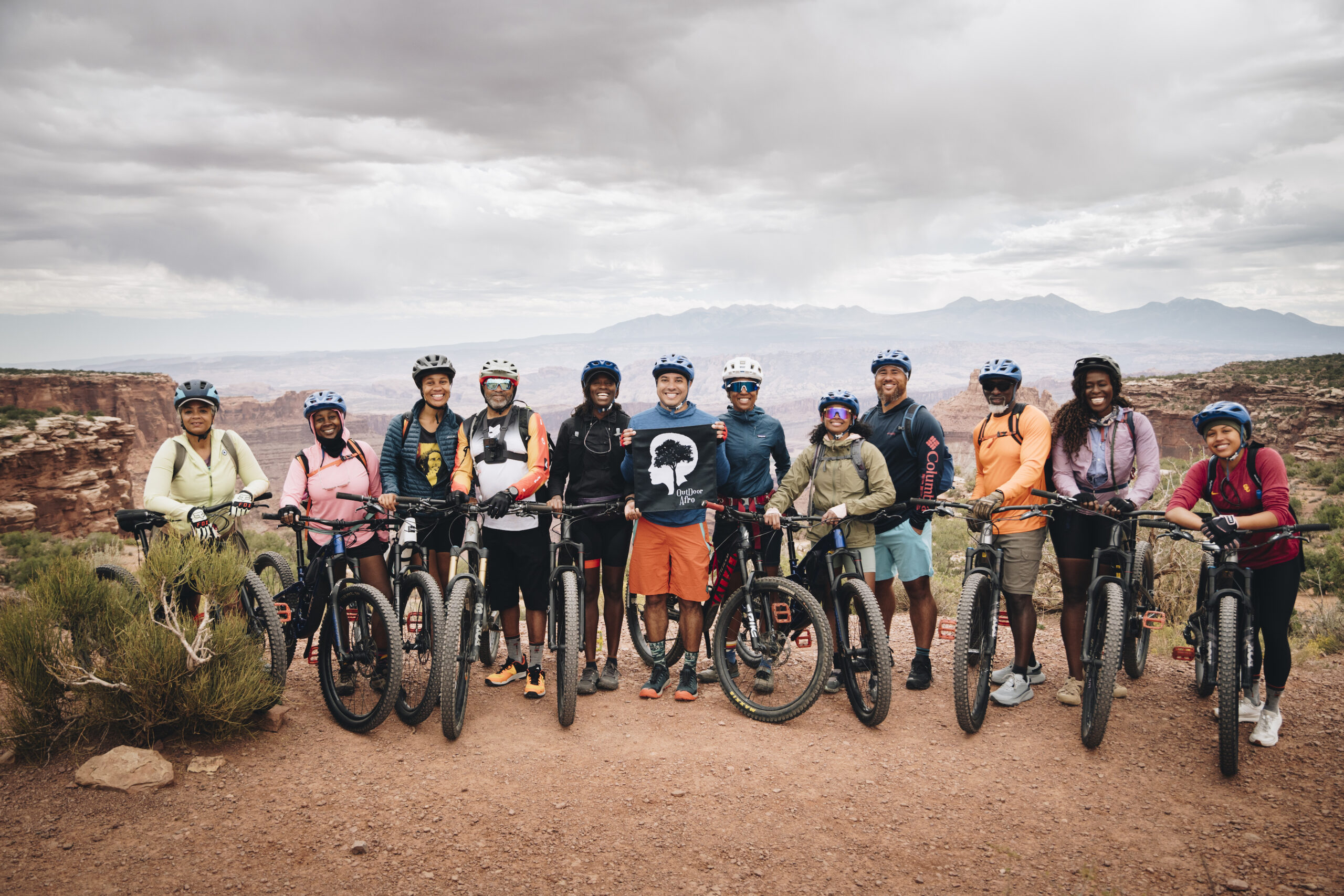
“The socks were extremely durable and provided comfort in the various Capstone events,” said Jimmy Allen, who leads the South’s Charlotte network. “It’s definitely my go-to sock for all future network activities.” In addition to annual Capstone experiences, Outdoor Afro’s selected and trained volunteer leaders guide their hometowns in year-round network activities. More than 100 volunteer leaders host innovative interpretations of fishing, biking, foraging, backpacking, camping, kayaking, canoeing, gardening, skiing, and more. Customized network events inspired and driven by community interests.
Annually, network participants in neighborhoods nationwide frequently ask: What is the best gear and equipment to invest in for their next Outdoor Afro adventure? Knowing what’s safe, sustainable, and comfortable is a request volunteer leaders often receive while guiding network experiences throughout U.S. communities. Exactly why Smartwool is Outdoor Afro’s top recommendation in foot protection and base layer support. Since 1999, the apparel brand has redesigned its base layers to provide all-day comfort and outdoor performance. “OMG! I have never worn a pair of Smartwool socks, but they were so awesome,” said Frances James of Outdoor Afro’s Bay Area and Northern California network, who received several compliments for her mushroom, campfire, and hatchet sock designs. “I wore them two days in a row. These socks fit me like a glove, providing a ton of support and padding while mountain biking, e-biking, and 4x4ing.”
ABOUT OUTDOOR AFRO: Outdoor Afro is a national not-for-profit organization that celebrates and inspires Black connections and leadership in nature. What started as a kitchen table blog by Founder and CEO Rue Mapp in 2009 has since grown into a cutting-edge nationwide network with 100-plus volunteer leaders in 60 cities with network participation reaching 60,000 people. Outdoor Afro reconnects Black people with the outdoors through outdoor education, recreation, and conservation. Follow Outdoor Afro at outdoorafro.org and @outdoorafro today.
ABOUT SMARTWOOL: Based in Denver, Colorado, Smartwool® is a sock, apparel, and accessories brand whose products are designed to get the most out of the inherent benefits of Merino wool to bring comfort, confidence, and community to a life lived outside. For information on the full range of Smartwool® products or to find a dealer near you, visit Smartwool.com. Smartwool, a division of VF Outdoor, LLC, is a brand of VF Corporation.

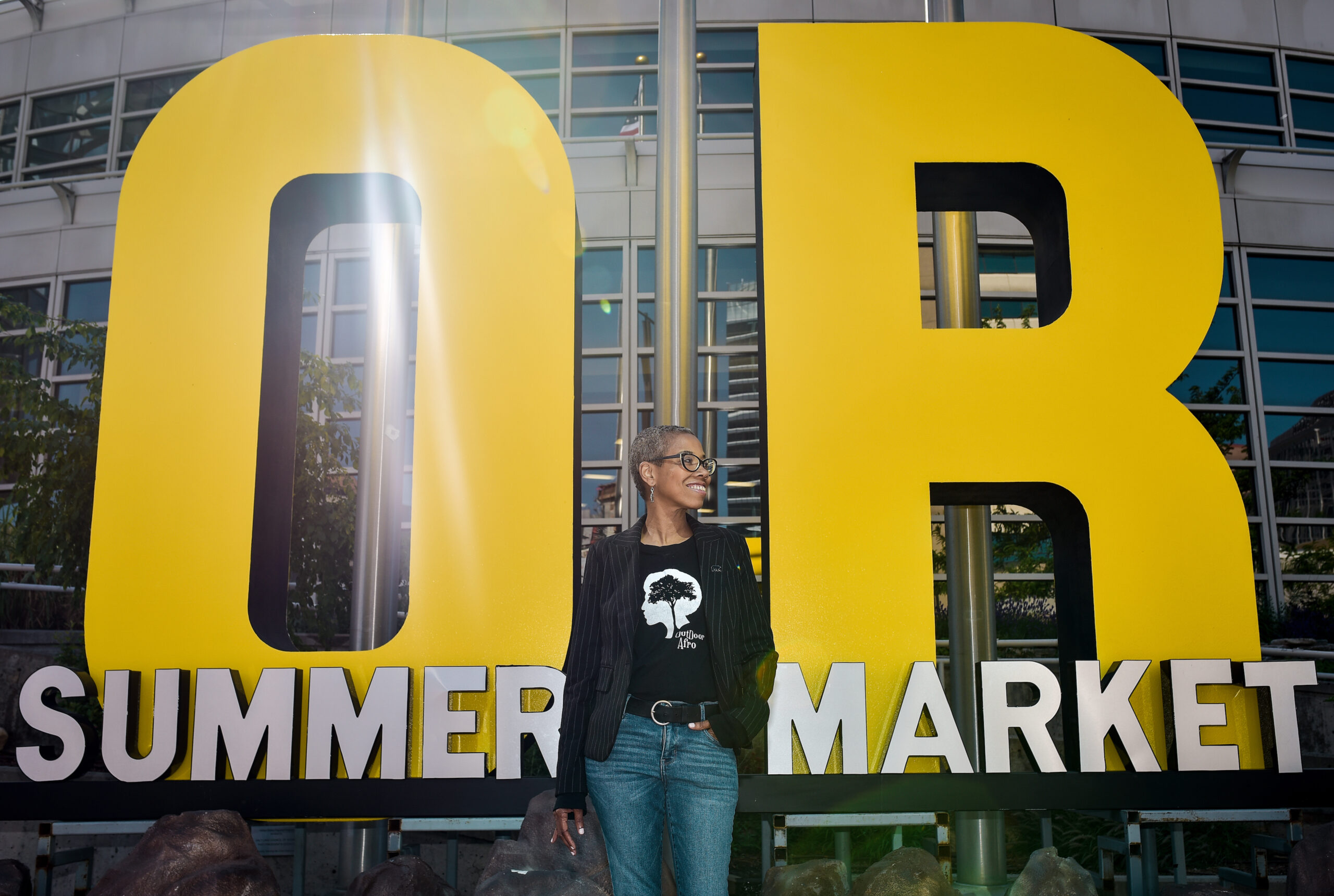
Outdoor Retailer recognizes Outdoor Afro volunteer leader
North America’s largest outdoor industry trade show, Outdoor Retailer, held its 13th annual Inspiration Awards to honor influential professionals, innovators, and explorers during its June 20 ceremony held in Salt Lake City, Utah. Outdoor Afro volunteer leader Alma Busby-Williams, 58, became one of three finalists in the award’s “Individual Category” – celebrating that one person who has motivated and inspired others to enjoy, participate in, and support outdoor activities. “When I got the phone call from Outdoor Retailer, I was shocked,” said Busby-Williams, a five-year Outdoor Afro volunteer leader, with a Cheshire Cat grin.
Outdoor Retailer’s Communications & Content Director Lisa Ramsperger surprised Busby-Williams with the news and open invitation to participate in its Summer Show 2023. Busby-Williams had just returned to her Olympia, Washington, home after attending Outdoor Afro Leadership Training (OALT) – the national not-for-profit’s annual April experience that took place in Bainbridge, Washington, this year – when Ramsperger ringed. OALT educates more than 100 volunteer leaders how to guide their communities in nature sustainably and safely. A compelling piece to Busby-Williams’ nature work and awards nomination.
Busby-Williams instantly said “yes.” She flew to the June 19 through June 21 show that flooded the Salt Palace Convention Center with nearly 200 new exhibitors. Dubbed “where new happens,” Outdoor Retailer’s Summer Show 2023 invites exhibitors to debut their latest in outdoor products and services. The show also offers networking and business opportunities for retailers, designers, media, nonprofit organizations, and industry leaders across the globe. As part of the show, the Outdoor Retailer Inspiration Awards celebrates those like Busby-Williams who naturally motivate people to get outside.
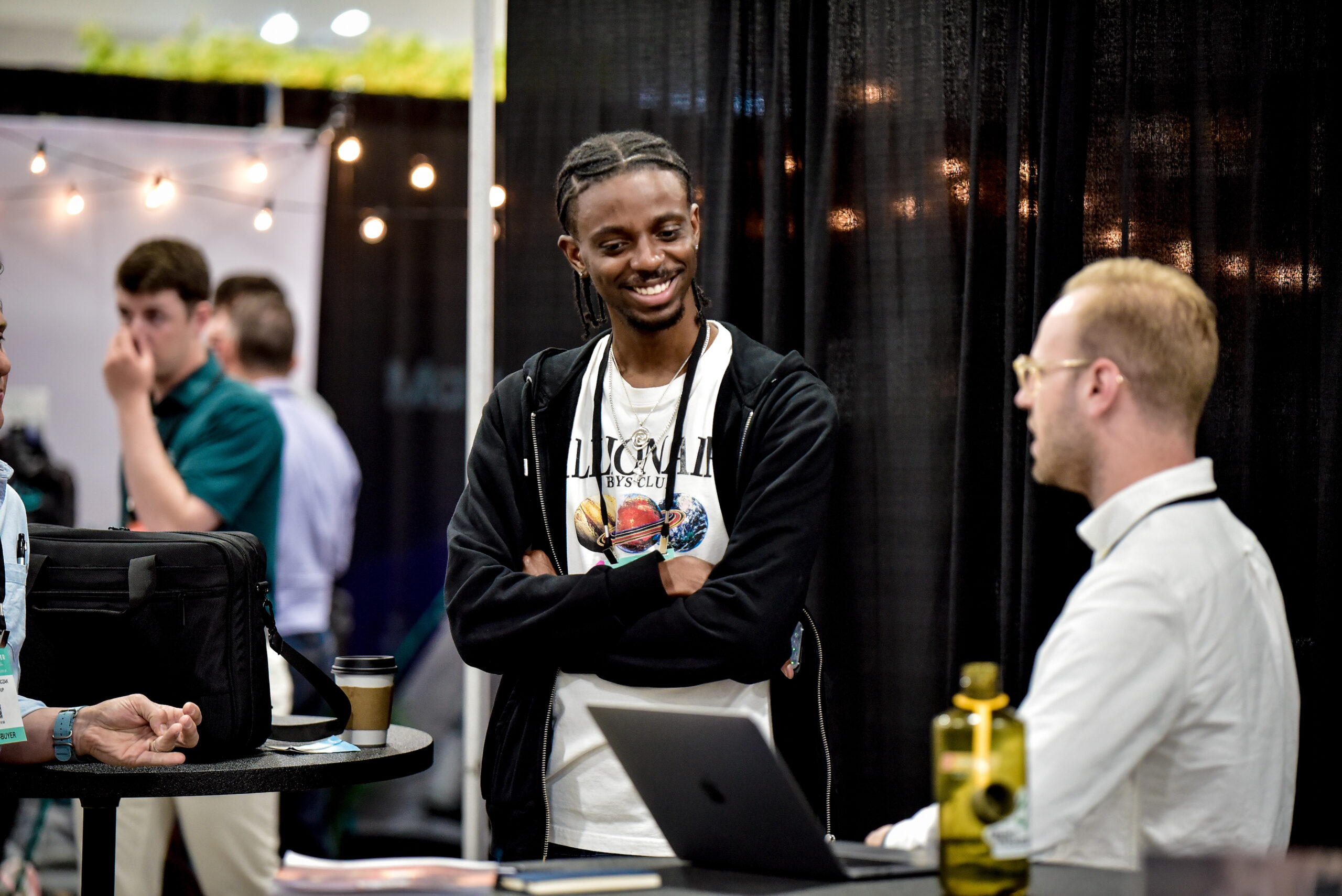
The awards took place at the Hyatt Regency’s Salt Lake Ballroom and recognized five categories of outdoor influencers and inventive products/services within the industry: emerging leader, manufacturer, retailer, nonprofit, and individual. In the “Individual Category,” Busby-Williams joined finalists Will "Akuna" Robinson (Triple Crown thru-hiker and 2022 George Mallory award recipient) and Becky Rom (volunteer national chair of Campaign to Save the Boundary Waters and retired attorney), which Rom won. “To just be in this number and space was a win for me,” said Busby-Williams.
The official publication of Outdoor Retailer, The Daily Guide, featured all finalists from the five categories. Each one of their stories lit up the ceremony stage. Moved some attendees to tears, especially Busby-Williams’ outdoor journey. Busby-Williams joined Outdoor Afro as a volunteer leader in 2018. Guiding her then Charleston, South Carolina, network on hiking trails that uplifted local Black history. In 2020, her career moved the outdoorswoman to Portland then Seattle in 2021. At both locations, she continued to host Outdoor Afro network activities and take her newer neighborhood participants to nearby national parks.
But go back a decade, and that’s when her connection to nature really flowered. A mom of two and age 43 in 2009, Busby-Williams was diagnosed with breast cancer. “For some reason, I didn’t feel like it was my time,” she said. “I had more to do.” She prayed over it. Many a day. Discovered relief through the outdoors. Intentionally breathing and taking in her natural surroundings. A year later, breast cancer free.
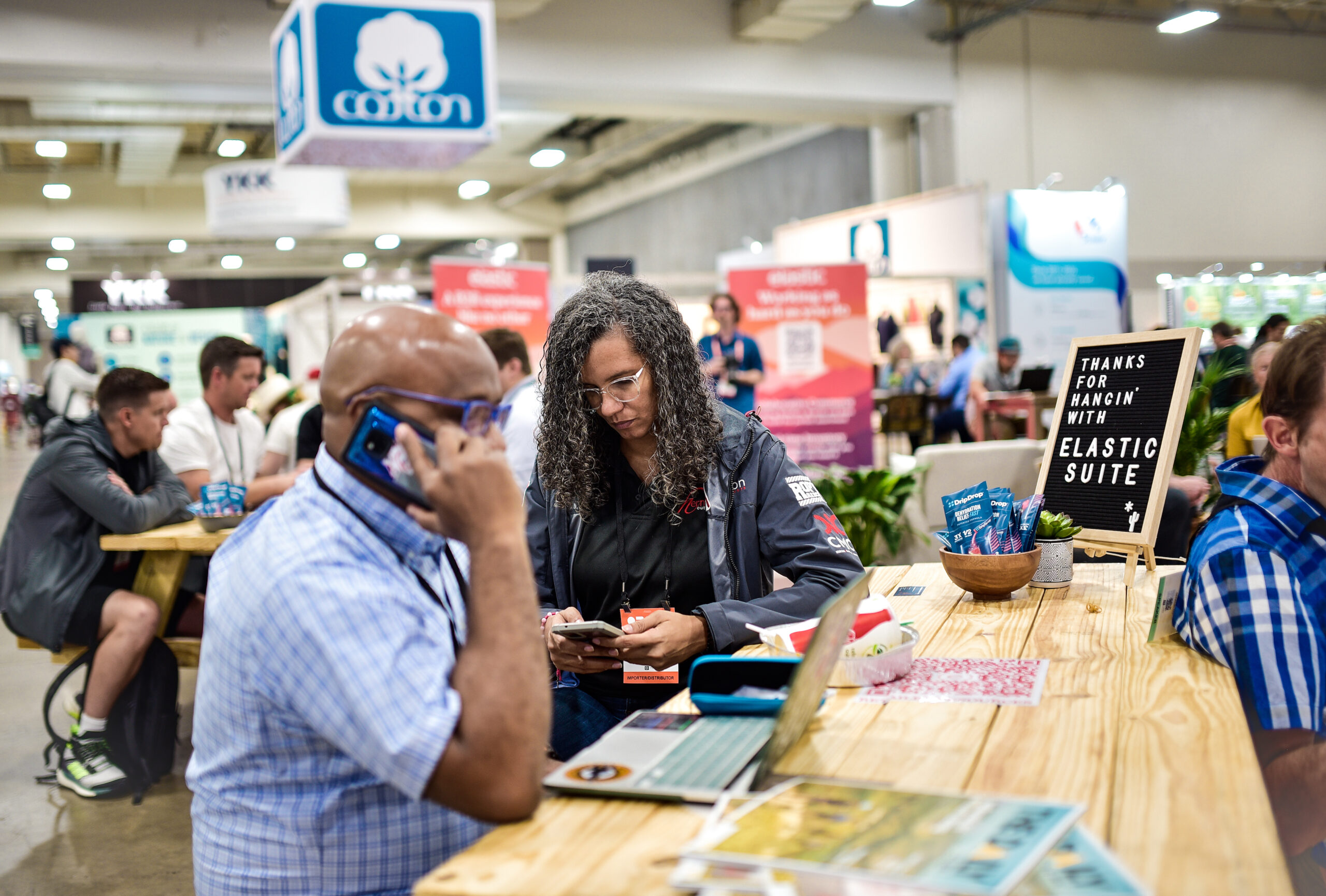
Now Busby-Williams takes those moments and leadership skills learned through Outdoor Afro to introduce and explore local lands, waters, and wildlife with community participants. When attendees leave an Outdoor Afro network activity, they do so with peace and healing. Busby-Williams’ approach to reconnecting them to nature. She hosts mostly hiking activities that include miles of breathing techniques and fellowshipping.
Full time, she serves as director of inclusion and community partnerships of the North Cascades Institute. She uses her legal education to work for various nonprofits, serving marginalized populations as well. Previously, she worked as interim executive director of Youth and Family Services and deputy director of Prescott Joseph Center. Along with her volunteer leader post with Outdoor Afro, Busby-Williams is a member of the National Park Conservation Association’s Northwest Regional Council, Breast Cancer Action Board, Recreation Conservation Association’s Trail Advisory Committee, and Washington Parks National Fund Board.
Busby-Williams continues Outdoor Afro’s long-standing history with Outdoor Retailer. Outdoor Afro Founder and CEO Rue Mapp has participated in the trade show for 11 years. Prior to Busby-Williams’ recognition, Outdoor Afro won the show’s then 2013 Outdoor Industry Association Outdoor Inspiration Awards. “Experiences like Outdoor Retailer remind me that nature is everywhere – so are the ones doing this important work,” said the veteran volunteer leader. “The opportunity to inspire those around us is right there in front of us. It’s why I love volunteering for organization’s like Outdoor Afro."
ABOUT OUTDOOR AFRO: Outdoor Afro is a national not-for-profit organization that celebrates and inspires Black connections and leadership in nature. What started as a kitchen table blog by Founder and CEO Rue Mapp in 2009 has since grown into a cutting-edge nationwide network with 100-plus volunteer leaders in more than 60 cities. Its network participation reaches 60,000 people annually. Outdoor Afro reconnects Black people with nature through outdoor education, recreation, and conservation. Follow Outdoor Afro at outdoorafro.org and @outdoorafro today.
ABOUT OUTDOOR RETAILER: Outdoor Retailer, the leading U.S. business events for the outdoor and winter sports industry, brings together retailers, manufacturers, designers, distributors, industry advocates, journalists, and more to conduct the business of outdoor recreation through commerce, unique product experiences, dedicated media events, content, and web-based business solutions. Outdoor Retailer provides critical platforms for face-to-face commerce, product launches, networking, and focused industry education to enhance business and support the outdoor recreation economy. Visit outdoorretailer.com for more information.
5 Ways To Help You Survive National Park Closures
It's been a tough week for National Park fans and staff with all 401 units closed as a result of the government shutdown. Here are five tips below to help you get engaged and support the parks through this challenged time. Can you add any other ideas to the list?
1. Call or Write a Letter to Your Congressional Representative

Your voice and opinions matter to your elected officials, so write a letter or make a phone call to voice your support for our National Parks. It seems that some in congress have little clue about how their decision making impacts the parks and their staff, so let them know you want the parks open and fully staffed because they are essential. Alternately, send letters of praise to those representatives who demonstrate support for the parks.
2. Join a National Parks Advocacy Group

There are many groups at the forefront to advocate and raise funds for National Parks. Some include the National Parks Conservation Association, the National Park Foundation, as well as several other organizations made up of ordinary citizens who are dedicated to supporting National Parks around the country. These organizations welcome diverse voices, and are an excellent way to learn more about how to support National Parks year-round.
3. Stay Engaged with Nature via State and Local Parks

What has surfaced during the national park closure is that many people do not know that city, regional, and state parks remain open and fully staffed. Your local parks offer rich opportunities to engage with natural local history, and you can learn cool new things about nature, literally in your own back yard. Local and state parks can be a gateway to National Park experiences, and those places need your support and visitorship too!
4. Encourage Park Staff

Park staff, from the back office to the frontlines, face unplanned and devastating financial consequences as a result of the shutdown, with an added insult of being tinted as “non-essential” through a politicized lens. Use your social media networks to share what the National Parks mean to you, and how you appreciate the hardworking men and women who help preserve them.
5. Learn National Park History

As a family or community, have a movie night to watch the excellent PBS series on the National Parks by Ken Burns, National Parks: America’s Best Idea. It chronicles the fascinating history and intention behind the creation of the National Parks that adds insight into today’s Park challenges. Also, get a copy of Frank and Audrey Peterman’s book Legacy on the Land and view their website to whet your appetite for National Park stories, adventure, and more!
How are you coping with the National Park closure?
Of Deer, Lighthouses, and the Cold War: An Outdoor Afro Adventure in a Local National Park
Written by Northern California Outdoor Afro Leader Teresa Baker
Last weekend, Outdoor Afros gathered to walk the Bonitas Lighthouse trail, and were greeted by a family of deer. While they grazed on their morning meal, we stopped and photographed this bit of stunning wildlife.

But if you also want to learn about what it takes to keep a lighthouse functioning, this is an awesome place to visit, where you can see all the moving parts.

The tunnel leading down to the lighthouse was dug by hand and what remain are the crumbling walls of the mountain surrounding the trail, which are steadily eroding into the ocean below.


Although the lighthouse itself is maintained by the coast guard, the National Park Service provides access to the public. After our time at the lighthouse, we ventured over to the only restored NIKE Missile site in the entire country.
The NIKE Missile site is the exact model of what stood in its place, during the cold war. You would never know driving by that just tucked away, in a missile bunker, sits missiles that could have destroyed everything in its wake, at the push of a button.

This missile site stood as the last line of defense against Soviet Bombers. As Ranger Al pointed out to us, just one of the six missiles on standby could destroy everything for hundreds of miles from where we stood.
Such a humbling experience to stand next to what was once considered the ultimate in military force, next to such breathtaking wild. And we found it right in our own backyard.

Click to learn more about this site, and retrace our steps!
10,000 Steps to Denali, Temescal Hike, and National Outdoors Day!


It's Alisha, Outdoor Afro Los Angeles Leader. This Saturday June 8th we had a Temescal Canyon Hike planned in the Santa Monica Mountains to support the first African American group to hike Denali. So our hike was in support of the 10,000 steps to Denali trek. Our hike also coincided with National Outdoors Day.
We started our day at Baldwin Hills Scenic Overlook where there were activities planned for the kids. They had camping gear set up to show how to set up a camp.

Along with camping gear lessons they also allowed children (and big kids like myself) to create buttons and bookmarks to show their support of 10,000 steps to Denali.

From BHSO, we met up with another group of teens from Watts and Compton inner city program who have had little exposure to the outdoors. We were paired with them through the Santa Monica Mountains Conservatory to encourage them to get outdoors more. Santa Monica Mountains Conservatory provided a bus and an amazing guide Anthony to take us on our hike and explore the canyon.

We got to Temescal and had a quick snack on the lawn, took a photo with both groups and paired off into two different groups to meet at the waterfall. There were so many of us we didn't want to overwhelm the trail.


On our way up we saw caterpillars, lizards, a garden snake and a red-tailed hawk. In true LA fashion we also saw a film crew filming a movie, haha. When we reached the top we sat for a bit and let the kids play around the waterfall which was dry. Anthony explained we're in a dry season. We had to watch out for poison oak. Quick tip: if its three let it be. If you see leaves in clusters of three leave them alone.


Many thanks to Kleen Kanteen and REI for keeping us hydrated. Thank you REI for keeping me warm and to Keen shoes for making my hike comfy. I also want to acknowledge Clif Bars for snack bars for the kiddos. We had an amazing time. Looking forward to many more collaborations with Santa Monica Conservatory, your rangers are amazing and knowledgeable. Thank you Anthony and Iann the volunteer.


Oh yes on our way down the canyon we came to a beautiful open field and my sister and the kids decided to jump and play.


Exploring Ruins and Playing in Waterfalls
Outdoor Afros in Los Angeles explored local African American history and nature over the weekend - read on!


Alisha Pye here, I'm the Outdoor Afro Leader for Los Angeles. This week we decided to celebrate Spring by hiking at Solstice Canyon in Malibu which is located in the Santa Monica Mountains. It's a beautiful hike with flowers in full bloom, waterfalls to enjoy, valleys and canyons to climb and picnic areas. We started on the stairs and continued on a steady incline until we came to an area of ruins that we felt compelled to explore.

If you look closely between the trees you'll see the ruins of a burned out house. It's now a historic park of the Santa Monica National Recreation Area. According to the story this house was built by a renowned African American Architect Paul R.Williams in 1952. The area is susceptible to many fires so Paul designed the home for his clients with a fire protection system that would protect the home against fire damage. The waterfall and pool were designed to pump water in case of fire as a protection to limit damage. Unfortunately after the owners death the pumping system wasn't maintained and the home was damaged by fire in 1982.

The backyard of the home was a beautiful waterfall that was breathtaking. We decided to stay and climb a little. We ended up staying for 45 minutes exploring, climbing and playing in the waterfall. At the very top was an outdoor fireplace the family used.


The view was so amazing we decided to take our group picture there along the rocks. If you look at the picture you'll notice we had a very diverse group ranging from an 11 year old to a grandfather with a cane who served as motivation for us to keep climbing.

Getting to the top we were able to see exactly how far we'd come. It was a great sense of accomplishment to get out explore and enjoy the ruins of the Santa Monica National Area. We plan on doing more exploring in the coming months so join us in our adventures.

Hiking and History: Honoring the Legacies of Port Chicago and John Muir

A foggy morning turned into a beautiful afternoon for a late November hike up Mount Wanda at the John Muir National Historic site. Twenty-five outdoor afros and Cody the dog were treated to an enjoyable afternoon of history, community, and smiles.
Before we began our hike, Raphael Allen, Park Ranger at Rosie the Riveter/ World War II Home Front National Historical Park, welcomed everyone and provided a thorough presentation on African American of History Port Chicago. Ranger Raphael explained that Port Chicago, visible from the summit of Mount Wanda, was the site of a deadly explosion on July 17, 1944.

320 men, including 202 African American men, were killed due to unsafe conditions at the port. Following the explosion, 50 African American men were charged and tried for mutiny for refusing to report back to work. According to Ranger Raphael, this injustice caused African Americans to organize and to whisper among themselves “Thurgood’s Coming” in reference to NAACP lawyer and future Supreme Court Justice Thurgood Marshall’s involvement in the case. Ranger Raphael concluded his presentation by distributing trading cards to Outdoor Afro hikers and emphasizing the national park’s commitment to ensuring that Port Chicago is not forgotten.

Everyone settled into their own pace, with faster hikers taking the lead and the others keeping a moderate pace. While the beginning of the hike was mostly shady and cool, the sun broke through the trees to warm us up as we got to our midway point.
Outdoor Afro Leader Cliff Sorrell pointed out the different trees on the hike including fragrant California Bay Trees and various oak trees, including the coast live oak and the blue oak trees. Cliff explained that you can tell the difference between the trees by noticing their leaves.
Several outdoor afros noted that we were joined on our hike by different bird species, including turkey vultures, Downy Woodpeckers, and a hummingbird. We also discussed the legacy of John Muir and his significant role in ensuring that we can continue to enjoy national parks like Mount Wanda and Yosemite.

As other members joined us, Outdoor Afro Leader Zoë Polk pointed out the location of Port Chicago. She asked members to think about what the landscape looked like in 1944 and to think about the different reasons African Americans joined the Navy during that time. Zoë referenced Professor Robert Allen’s celebrated work, Port Chicago Mutiny, and noted that some of the men were outdoor afros of their time, joining the navy out of a sense of adventure and longing to experience the world’s natural beauty. She also asked hikers to contemplate what outdoor recreation activities the men of Port Chicago participated in, given that they had little ability to travel to Oakland, San Francisco, or other bay area culture centers for entertainment. Hikers took a minute to contemplate this history and the beautiful surrounding landscape before descending Mount Wanda.
We finished the afternoon by stopping by the John Muir House. The wonderful staff at the visitor center screened Into Forgetfulness, a short documentary film about the Port Chicago disaster and legal battle. The staff also led tours of John Muir’s house.
The Outdoor Afro leadership team celebrates all of the kind folks who joined us on Mount Wanda and looks forward to seeing everyone again at the next meet up!
For more information about honoring the legacy of Port Chicago, connect with the Friends of Port Chicago.

Review: Hike to the Top of Point Reyes in California
By Outdoor Afro Contributor, Alex Genadinik
 Point Reyes National Seashore is too large to hike in its entirety unless you are a marathon hiker! The entire area spans thousands of acres and is large enough to be home to over 1,000 species of pants, birds and animals. If you are planning a hike in the area, you can start at the visitor center like most people, but if you want a real adventure, I suggest you choose a more unforgettable hike like the one to the northern-most point of Point Reyes.
The hike is a 5-mile trek to the very north tip of Point Reyes National Seashore called Tomales Point, and an extra 5 miles retracing your steps to get back. It requires a few extra minutes of driving north from the visitor center, but it is worth the extra drive because it is one of the best spots to see wildlife. Make sure to bring your camera.
The hike itself is through pretty flat ground, which is good because you get to spend more energy looking around. About 1 mile into the hike there is an area called the Tule Elk Reserve. The elk are not too afraid of people and will just stare at you as you walk by. You can take plenty of pictures as they will just stand around and won’t run away like some deer do. The elk are bigger than regular deer that you may see at Muir Woods or other preserves. Be careful though, even though they have a friendly appearance, don't approach them carelessly or you may set of a defense mechanism where they feel forced to fight back. The elk typically don’t do much and people tend to get bored staring at the elk, and just hike on.
When I last visited, as I walked up the trail, a turkey vulture began hovering over me and glided towards me. These are relatively large and ominous-looking birds that eat the remains of dead animals, so I felt a little uneasy. Luckily, this vulture moved on. It was either confused, overly hopeful, or didn't have me in mind at all. In truth, while these birds get a bad rep due to their somewhat unpleasant appearance and name. They actually provide a great service to nature. By eating the remains of dead and decaying animals, these birds help prevent disease from spreading, and are actually known as nature's sanitizers.
After the vulture glided away (they don't fly fast) I resumed my hike. Since the trail is beside the Pacific Ocean, there are many seabirds in the area. If you bring binoculars you can see many birds perched on a huge rock in the ocean called the “Bird Rock” which is best observed about 3 miles into the hike. After the bird rick, the trail becomes more sandy and it is a 2 mile trek to the Tomales Bluff, which is the complete end of all land from which you can see far into the depths of the Pacific Ocean.
 Standing at Tomales Bluff, I witnessed one of the wildest sights I have ever seen during a hike. I saw a typical v-shaped flock of birds fly over the ocean that gradually came down to just a foot above the water, and then proceed to spread into a single row in an almost machine-like manner. The original v-shape slowly spread out into a perfect horizontal line, almost like a ruler. All flying in a row beside one another just a foot above the water, these birds began hunting for fish. There must have been twenty or thirty birds and together they covered an area of about 50 feet, sweeping through the ocean. I tried my best to take photos, but between being completely amazed, and a non-professional photographer, none of the photos captured anything worthwhile.
After seeing that, the hike felt complete and since I could not go any further after running out of land, I dragged my tired self back to the parking lot past the elk, without seeing any more of my friend, the vulture, and thinking about how I’d tell the story of seeing the hunting birds in the ocean.
Bio:
Alex Genadinik is the founder of a Bay Area Group Hiking site - a community for hikers in the Bay Area. Please say hello
on Twitter @sfhiking.
Oprah Goes Camping in Yosemite!
A memo from National Parks Director Jonathan B. Jarvis shares:

"On October 29 and November 1, Oprah Winfrey will devote two entire shows to her overnight camping trip in Yosemite National Park earlier this month. Ms. Winfrey’s visit originated with a letter of invitation from Park Ranger Shelton Johnson. While in the park, Shelton shared his Buffalo Soldierpersona – Elizy Bowman – at an evening campfire chat with Ms. Winfrey and others staying at the Lower Pines Campground in Yosemite Valley.
While the shows highlight Ms. Winfrey’s visit to the Mariposa Grove of Giant Sequoias, Tunnel View, her mule ride, and fly fishing on the Merced River, she also raises the question of why there aren’t more visitors of color in national parks.
We all struggle with this question – and what to do about it.
Ms. Winfrey’s visit and the popularity of her show offer the National Park Service an unprecedented opportunity to reach a vast audience of potential first-time visitors and to start a conversation with them.

Coming on the heels of Ken Burns’ acclaimed documentary, these broadcasts promise to take the national parks to heights of visibility rarely seen before, particularly in mass media and pop culture.
At the national level, we are working with the Yosemite staff to create opportunities to leverage the broadcasts and deliver a National Park Service invitation to visit the soon-to-be 393 national parks and learn about these places owned by all Americans.
I encourage all of you to use this opportunity to reach out to your communities. For example, you could host viewing parties with the show as a discussion starter on how to increase the diversity of our visitors or hold “how-to” events over the weekend of October 30-31 to teach the basics of hiking, camping, and visiting for first-timers.
WATCH VIDEO PREVIEW
While we literally had years to prepare for the America's Best Idea broadcast, there is now little more than a week to prepare for these episodes that will reach more than 30 million viewers and millions more through Oprah.com.
I am confident that our innovative and creative employees will rise to the occasion and create immediate opportunities for all Americans to connect with the national park idea."
The Outdoor Afro community is all aflutter about this news, as a major goal of this site is about changing perceptions of who engages with the outdoors. It is especially important that women of color be shown engaging with natural spaces in a positive context, so that others can see the possibility and benefits of building a relationship with treasures such as our national parks -- which belong to everyone.
We hope this won't be the last time we see Oprah camping! Can't wait to hear your comments about the show!
It's a Family Reunion!
I am still trying to wrap my mind around all that I saw and experienced in Atlanta these past few days at the Breaking the Color Barrier in the Great American Outdoors Conference. To distill everything into a few lines would be impossible. Because several Outdoor Afro readers were unable to make the event, over the next few days I'll share my experiences at the conference in words, photos, and video in three parts to convey highlights of this momentous event. Special thanks to Dudley Edmondson for partnering with me on this blog series.
Breaking the Color Barrier in the Great American Outdoors
Day 1
Arriving in ATL, connecting with room mate Chelsea Griffie, and registering in the hospitality suite at the Airport Hilton was a breeze. I marveled at the fact that this was the first conference of its kind, and amazingly produced in a mere five months! During the opening ceremonies, I milled about the conference area among the scores of colorful faces, represented agencies and organizations, and thought, “This is what it’s all about: Everyone at the table.”

The opening ceremony and reception was moderated by the lovely Julia Yarbough, an Emmy Award winning journalist from Florida, who has recently turned the corner from a successful career in broadcasting to devote her life to adventuring.

After planning and communicating with Audrey Peterman for the past several months by phone and email, meeting her in person for the first time was a blast. I don’t care how many photos or interviews you see of this woman, meeting her is to experience infectious enthusiasm and social charm that easily connects and motivates people.

Together with her husband Frank, who shamelessly adores her, Audrey has formed friendships and partnerships with people from all over the country that made this conference possible. But the two remain humble. In their opening comments of the evening, Frank and Audrey kept reminding the group that they are mere reflections of those in the room and took the time to acknowledge the small army of people who helped plan the conference. They encouraged attendees to take what is learned from the conference back to our constituencies to make a difference.

I also had the chance to meet and be interviewed by the social media savvy Queen Quet, Chieftess and Head of State of the Gullah Geeche Nation, who mesmerized the opening ceremony crowd with her melodic singing, dancing, and invocation of Gullah heritage and history of its lands and people.
David Vela, Southeast Regional Director of the National Parks gave a warm welcome address. And we were all excited to meet the Roberts Family, a stunning Florida couple and their five children who were chronicled in a video called "Into the Wild", which shows the family camping their very first time in the Florida Everglades! We were all inspired by how this African-American family was positively transformed and have become camping advocates as a result of their experience -- proof positive of what is possible for more families of color.
I also got to meet author and photographer Dudley Edmondson in person for the first time, even though we have been digitally collaborating with each other for months!

Dudley and fellow blogger James Mills of the Joy Trip Project, captured much of the conference and interviews on film and the three of us brainstormed ideas about how best to use our respective tools to authentically connect to broader audiences.

Local environmental pioneers, such as Girl Scout Leader Evonne Blythers and Angelou Ezielo of Greening Youth Foundation were a treat to meet finally– these women are each doing a stellar job in the Atlanta area with youth. Falconer Darryl Perkins and his fiance were also on the scene and Darryl was my official "partner in Tweet" (#BREAKCB) for the event!

Overall, the first day felt more like a family reunion than a conference because of the common bonds between the conference participants and organizers, many of whom had never met in person. At the end of the day, no matter what we looked like, or what organization we represented, it was clear we were all there to rally around the purpose of diverse participation in America’s Great Outdoors, and the first evening of the conference ended on a note of high energy and anticipation for the next day’s agenda.
Stay tuned for Part II, Day 2