Wanderers Welcome: Tracking winter wildlife at Upper Saco Valley Land Trust with Outdoor Afro’s ‘Frozen Chosen’
Crunch. Crack. Crunch. Crunch. Crunch. Crack. Crunch. Crunch. The traction-spiked hiking boots shuffled at a potato chip chewing cadence. Oddly melodic as the animal tracking morning picked up pace. A warning from Outdoor Afro volunteer leader Mardi Fuller, 44, as she guided the March 2 New Hampshire winter experience: “Don’t consider moving to New England if you’re not a fan of winter,” the four-year leader said. “We have plenty of it throughout the year.” Winter sports to coincide as well: ice climbing, downhill skiing, snowshoeing, and mountaineering. All offered through Fuller’s Outdoor Afro Boston network. Community participants who sign up with Fuller are guaranteed innovative nature adventures with the diehard hiker. Sustainably and safely. During January 2021, Fuller became the first-known Black person to scale all 48 New Hampshire peaks – 4,000-footers – in the winter. See. In good hiking hands.
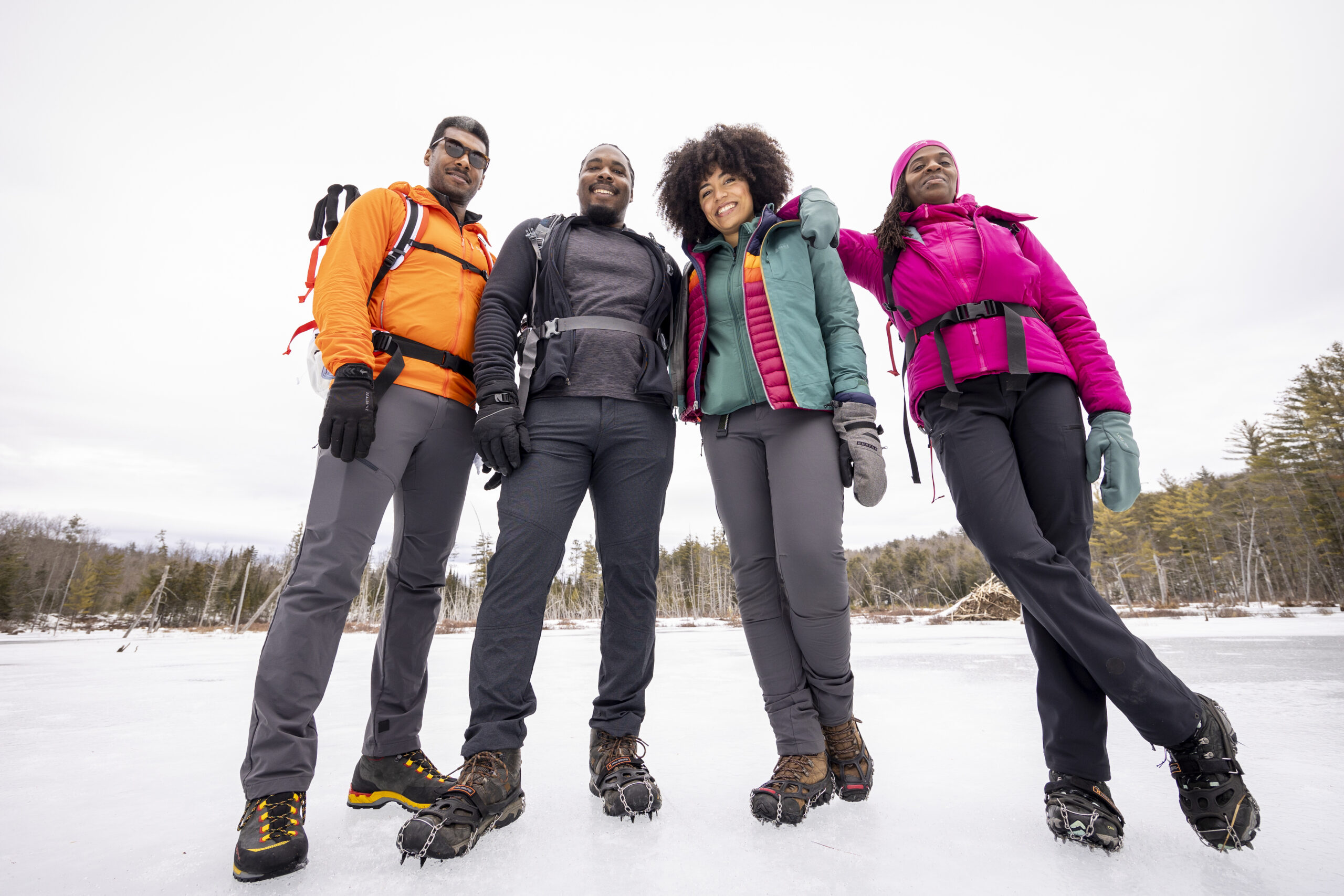
Annually, Outdoor Afro’s Northeast Region arranges area opportunities for cold-weather outings that help beat the “winter blues.” Recasting shorter days into celebrated, snowy moments with brand-new friends. “I’m a multitasker,” said Fuller. “The simple action of walking in the snow allows me to settle down and get into this meditative mind frame.” That Saturday, she exercised this form of nature medicine with three network frequenters – Xander Bennett, Keenan Augustus, and Thai Koenig (left to right in the above image with Fuller flanking the far right side). Better known as “The Frozen Chosen.” Together, the four toured the Chain of Ponds Community Forest Conservation Project. This soon-to-acquire property of Conway, New Hampshire’s Upper Saco Valley Land Trust blankets 625 acres. The land trust’s goal is to raise $1.3 million from local foundations, state grant makers, and individual contributions by November 2024 to purchase and permanently conserve the landscape.
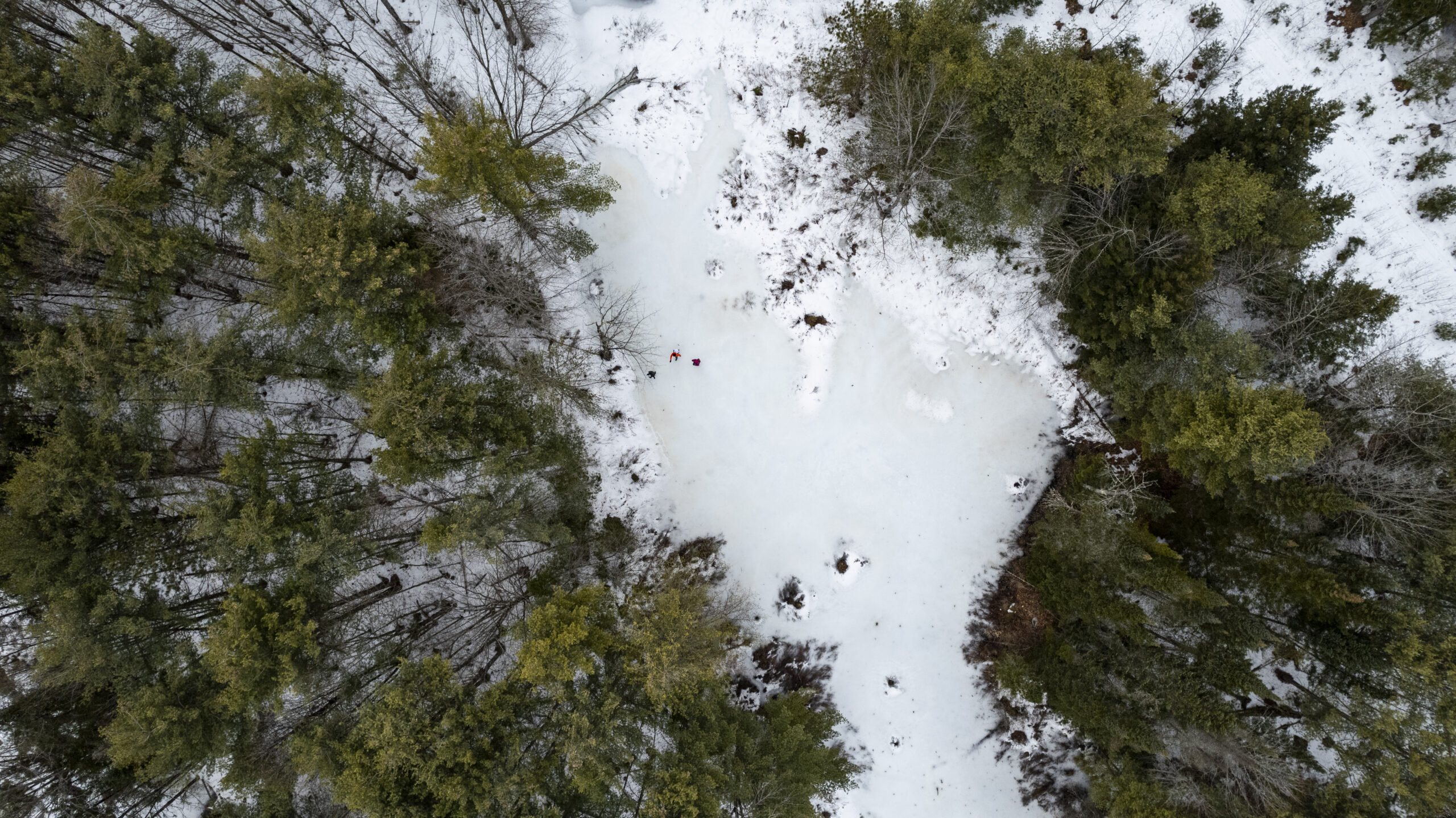
Chain of Ponds covers an ecologically significant glacial trough valley in neighboring Madison, New Hampshire. Connected to its forestland and inland waters, the project features headwaters of Pequawket Brook and Silver Lake’s North Inlet. The valley itself includes roughly 110 acres of wetlands; 25 acres of cliff and talus slopes; glacial eskers; surface waters and wetlands; 300 acres of mapped aquifers; and approximately 4 miles of surface water frontage along several streams and ponds. A peerless outdoor playground. Once the purchase completes, the public can access newer sites for biking, paddling, hunting (white tail deer, ruffed grouse, and small game like rabbits), fishing (Eastern brook trout and pickerel), and winter hiking. And only 3 minutes away from Madison Elementary School, experiential learning abounds. Mike Morin, 43, served as the land trust’s conservation director and assured that Chain of Ponds would become a nature backyard to a lot of local families.
The 20-year land conservationist added: “This site will provide interpretative education, allow us to implement better forest health management practices back into the community, and continue to expand our mission that already includes conserving other forestlands, popular recreation areas, and working farmland." The land trust developed in 2000 as a grassroots initiative to preserve land for community enjoyment and education. Specifically in the watershed of the upper Saco River in both Maine and New Hampshire. The following year it gained 501(c)(3) nonprofit status. Within a decade, the land trust preserved 38 land projects, doubling that number by 2019. To date, the trust has conserved more than 12,000 acres in its 11-town service area. Steadily advocating for local agriculture and water quality concerns as part of its mission work. Back at the Chain of Ponds site, the Frozen Chosen breathed in the 40-degree air (unseasonably warm for Northern New Hampshire in early March when 20 degrees is more likely) and trudged along an abandoned rail corridor.
The track once carried traveling skiers from Boston to North Conway, said Morin. Part of the early 20th-century history of Gilded Age hotels like the Omni Mount Washington Resort and the beginning of the ski industry. A train stop to the left of the track brought the Outdoor Afro group to a beaver lodge on Cranberry Bog. Each whipped out their animal track pocket guides provided by the land trust’s Community Steward Carissa Milliman, 39. The former educator equipped the day’s guests with New Hampshire Fish and Game Department wildlife literature. “With this piece of land being so accessible, Chain of Ponds is a great place to connect with nature and find stillness,” said Milliman. Nothing matched the track patterns listed. The group tactfully circled and observed the conical-shaped beaver home. Then moved on. Two more ponds ahead: Blue Ponds and Mack Pond.
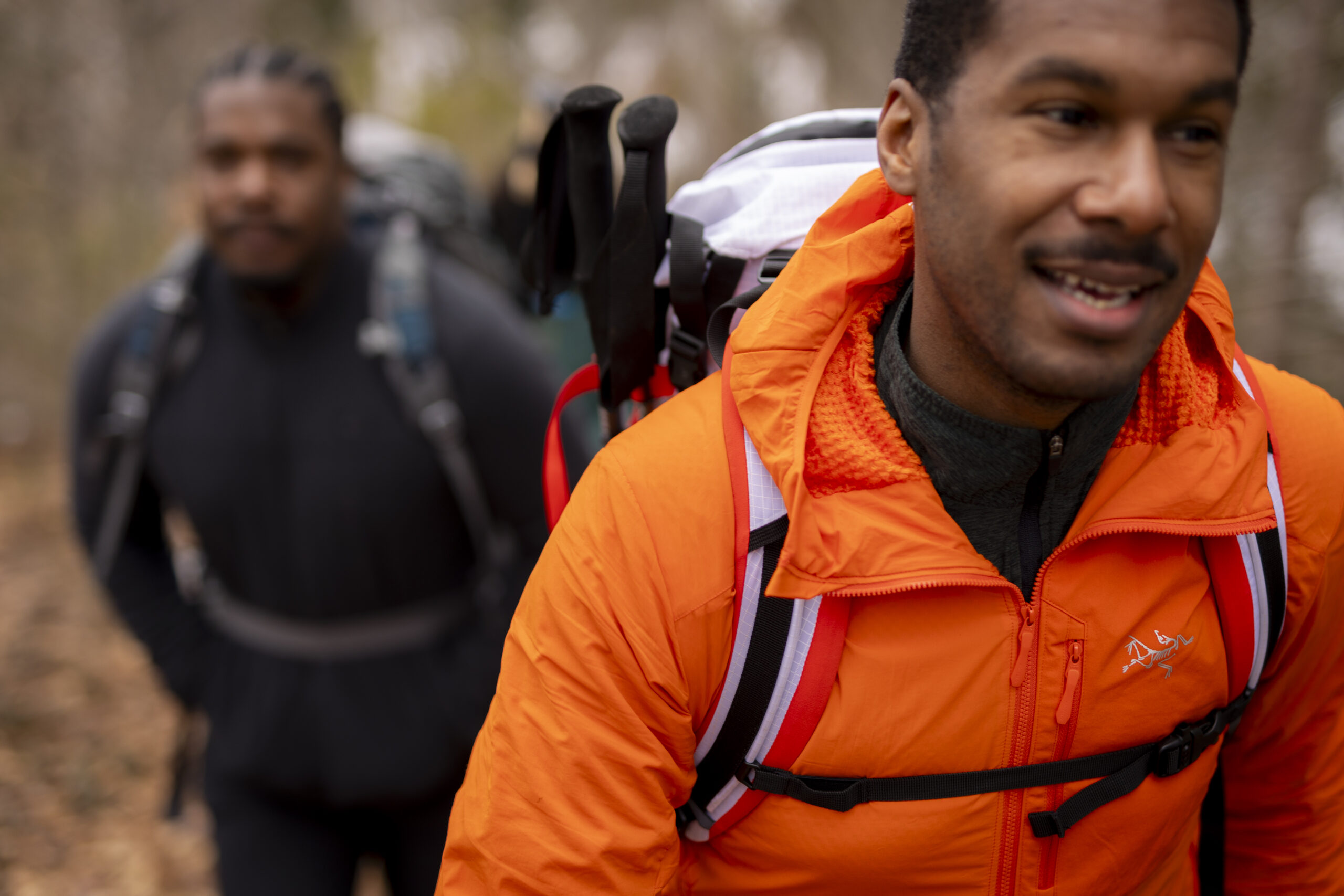
Chemical engineer Keenan Augustus, 31, advanced with excitement in his eyes. “You know,” he said with every microspiked step, “these types of activities with Outdoor Afro help me get back to our roots. Black people have always been travelers, explorers, and navigators.” Cold-weather comrade Xander Bennett nodded in agreement. Augustus has participated in Northeast network activities for almost two years now while Bennett entered his first year in 2024. Bennett’s introduction to Outdoor Afro started with an ice climbing event with Fuller earlier this year. Then, uphill skiing. “I previously approached the outdoors from individual activities,” said Bennett. “Mardi and Outdoor Afro have helped me gain the courage to get in this space through group experiences.” The win-win: learning new skills with folks who feel like family.
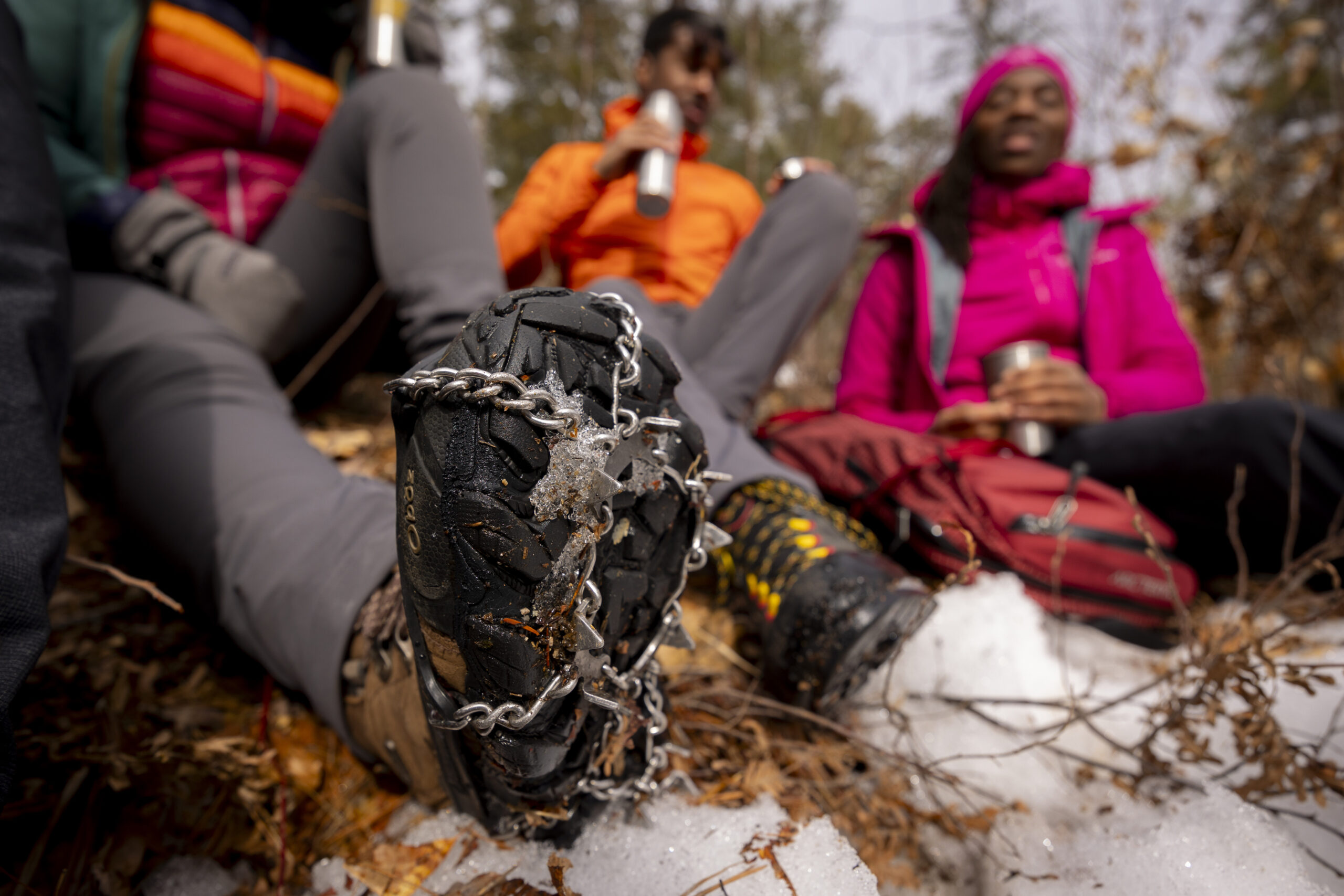
The Chain of Ponds camp took a break bankside for hot tea, snack bars, and more fellowshipping. Sharing favorable reactions to the property. Flashbacking to previous network fun. Already making new Outdoor Afro activity plans. The youngest of the Frozen Chosen, Thai Koenig, 24, dusted snow off her hiking pants, gathered her belongings, and started to lead the band back to the site entrance. But, wait! A scat IDing moment presented itself mid-trip. Was it a red fox? Bobcat? Coyote that traveled their route? The four couldn’t really figure it out from their wildlife scat cards. The majority leaned toward the red fox. Good guesses. “It’s so important to build community like Outdoor Afro does,” said Koenig, all smiles. “Our network is always happy. Mardi makes me feel comfortable and safe while trying something new.”
ABOUT OUTDOOR AFRO: Outdoor Afro is a national not-for-profit organization that celebrates and inspires Black connections and leadership in nature. What started as a kitchen table blog by Founder and CEO Rue Mapp in 2009 has since grown into a cutting-edge nationwide organization. Outdoor Afro’s U.S. networks include nearly 100-plus volunteer leaders who guide nature activities in up to 60 cities with network participation reaching 60,000 people annually. Outdoor Afro reconnects Black people to the outdoors through outdoor education, recreation, and conservation. Connect with @outdoorafro on social and visit outdoorafro.org to follow our year-round nature narratives.

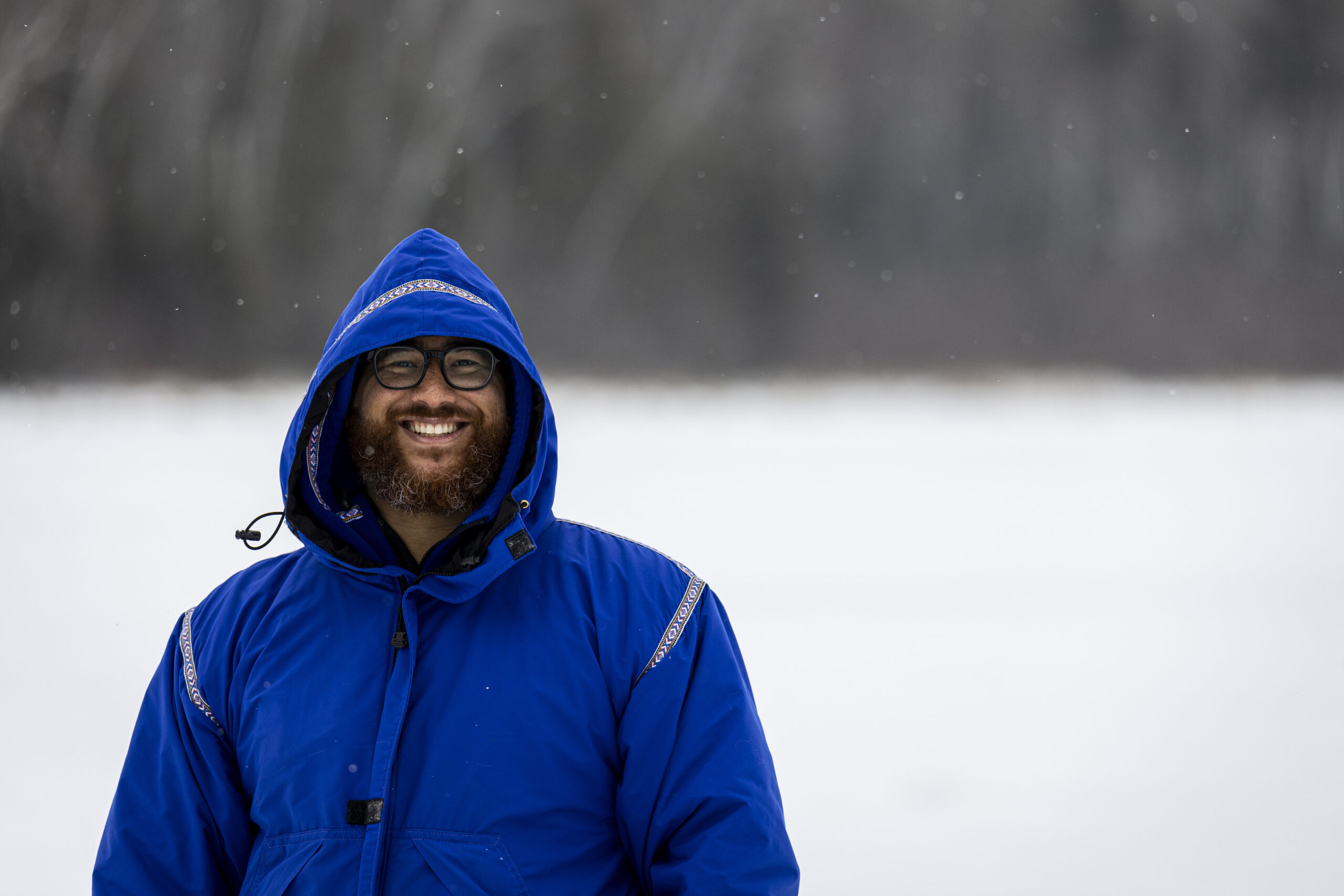
7 winter wilderness guidelines from our Minnesota leader
Weather conditions fluctuate from rain, sleet, ice, and snow. Now. Add the word “freezing” in front of each element. That just about digests Minnesota’s January and February forecast. And if there’s one person who craves these extremities, it’s Outdoor Afro’s 2022 “Leader of the Year” Stephen Scott. “I personally love Nordic skiing (cross-country skiing) and snowboarding in the winter,” said Scott, 39, who is originally from Texas but has called Minnesota home for the past 10 years. “Our local network likes snow tubing, Nordic skiing, and snowshoeing.”
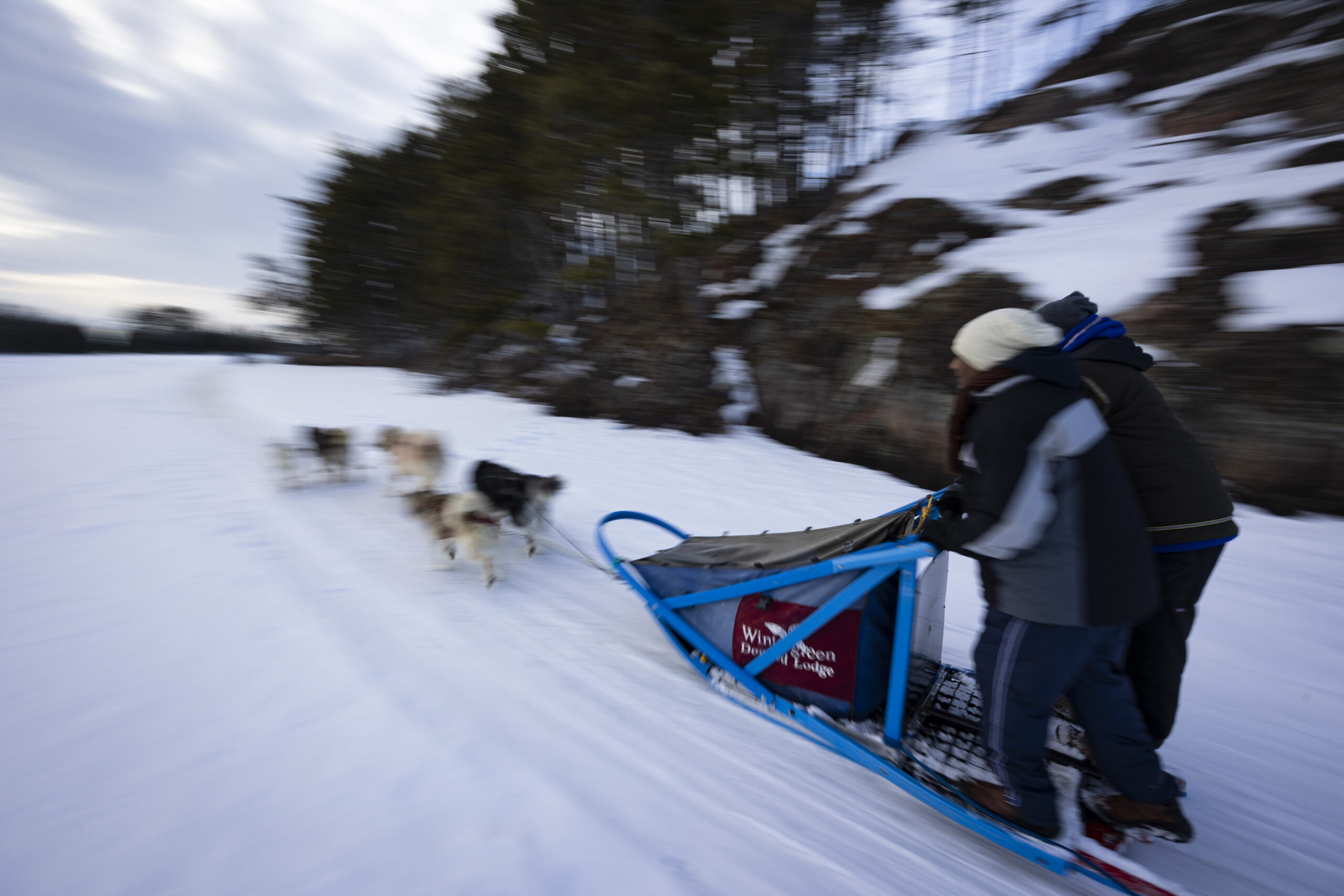
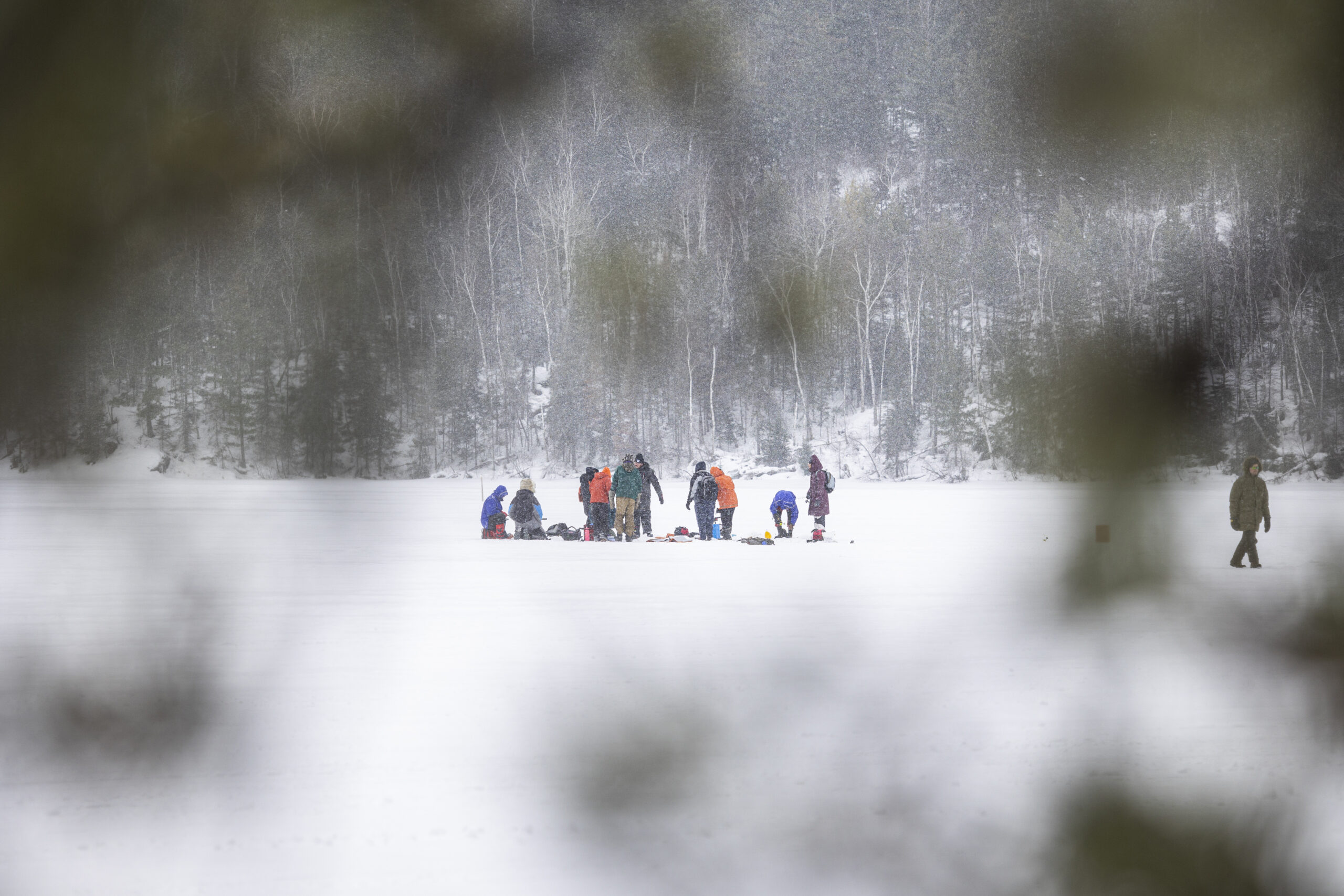
Through Outdoor Afro, Scott typically commits these months to winter activities that introduce his community to cold-weather environments with care. From Feb. 17 to Feb. 20, he hosted a first-time “Intro to Minnesota Winter Wilderness Weekend” in Northern city Ely – tapping into the Superior National Forest and Boundary Waters Canoe Area Wilderness – to teach survival skills and fun hobbies for this habitat. Community participants learned to dogsled, ice fish, and snowshoe. With nearly seven years of Outdoor Afro leadership experience in guiding his neighborhood in nature, Scott offers insight into no-man’s-land adventures during this time of year:
(Outdoor Afro Communications Director Candace Dantes) Q: Why was this network experience worth hosting to start 2023? What were the benefits of taking the time to coordinate and lead this first-ever experience for your community? (Stephen Scott) A: It's an excellent opportunity to try new winter activities and experience the beauty of our national forest. It also creates partnerships within the Ely community (Kes Ebbs, Superior National Forest/Kawishiwi District, Wintergreen Dogsled Lodge, Arrowhead Outdoors) and shares the beauty of the outdoors in the winter.
Q: For those not comfortable with radical winters (like me lol), what’s the appeal of Minnesota? Why is it an ideal staycation or travel destination? A: Beyond the frigid temperatures, Minnesota provides the perfect backdrop for a winter wonderland full of outdoor and indoor exploration. Before visiting in the winter, be sure to pack your layers (base, mid and top), gloves, and favorite hat.
Q: So, what exactly did participants grasp during the wilderness weekend? A: A few different tasks. They learned about the conservation ethics, Minnesota ecosystems, careers in natural resources, and the relationship between recreation and management. For our specific activities, each got to understand the basics of dogsledding (orienting, meeting the dogs, launching a sled); snowshoeing (how to put shoes on and walk in them properly); and ice fishing (how to auger a hole into the ice, bait a hook, and find fish).
Q: From the images our professional photographer Joe Klementovich captured, the network action looked so tantalizing to try. As a seasoned winter wilderness expert, what tips do you have for first-time participants exploring nature in Minnesota during the winter months? A: Definitely dress in layers to maintain your warmth. Bring a warm beverage in an insulated container to stay hydrated. Pack adequate snacks to keep your energy going throughout the day.
Q: Noted. For veteran nature explorers of the area, what’s something new they can learn in this region? A: Understanding the difference between “good” cold and “bad” cold to participate in local adventures. There is a difference. Also, being deliberate about their actions to prevent accidents, and truly knowing weather conditions so you’re prepared in terms of having the right gear and equipment.
Q: Speaking of gear and equipment, what are your must-packs for winter activities in Minnesota? And why these particular items? A: For me: wool base layers to start. These layers allow my body to stay warm but also help remove moisture from my skin. Second, a buff. It's a multifunctional piece preventing drafts around the neck and can easily protect the face from the elements. Third is my windshell, which pierces blowing winds and pulls heat from my core. Fourth, softshell snow pants for movement, protection from snow, and turn into a vent when I get hot. Fifth are, of course, my snow boots to keep my feet warm and dry. Honorable mentions: gloves, a hat, sunglasses or goggles, and hand warmers.
Q: Got it down. Thank you for those “honorable mentions,” too. Lastly, you’re serving as a guide and mentor to fellow Outdoor Afro volunteer leader Christine Meissner this year since she became a recipient like you were of the Polar Explorers Matthew Henson Scholarship. Christine will attend a five-day introduction to a winter travel training course in the Boundary Waters Canoe Area Wilderness. What specifically will you help Christine achieve during this experience? What advice do you have for her before pursuing this scholarship journey?
A: My role as a second-year scholar is to provide Christine support in preparation (gear and questions) for the Polar Shakedown Training – designed to ready scholars for extreme cold-weather expeditions or polar treks. I also joined the Shakedown team to help guide the other scholars. My advice for Christine is to embrace skill-building, camaraderie, views, and temperatures – fully. I hope she will learn about her own personal limits, become deliberate in her actions while being in the cold, understand the different types of coldness, and thrive. Not just survive.
 *Click here to learn more about our Outdoor Afro Leadership Training that volunteers like Scott and Meissner participate in annually to develop aptitude to guide their neighborhoods in nature safely and sustainably.