7 winter wilderness guidelines from our Minnesota leader
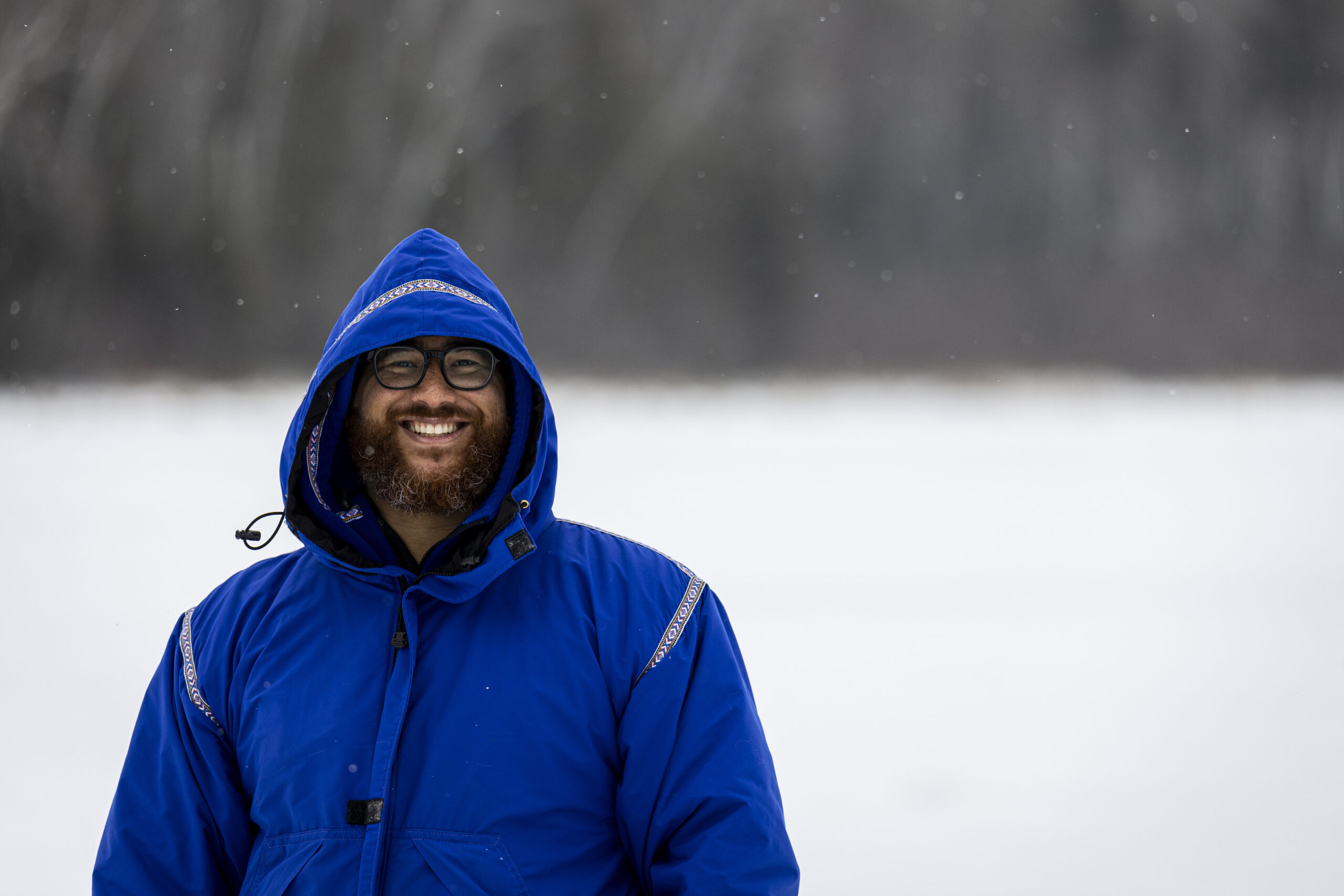
Weather conditions fluctuate from rain, sleet, ice, and snow. Now. Add the word “freezing” in front of each element. That just about digests Minnesota’s January and February forecast. And if there’s one person who craves these extremities, it’s Outdoor Afro’s 2022 “Leader of the Year” Stephen Scott. “I personally love Nordic skiing (cross-country skiing) and snowboarding in the winter,” said Scott, 39, who is originally from Texas but has called Minnesota home for the past 10 years. “Our local network likes snow tubing, Nordic skiing, and snowshoeing.”
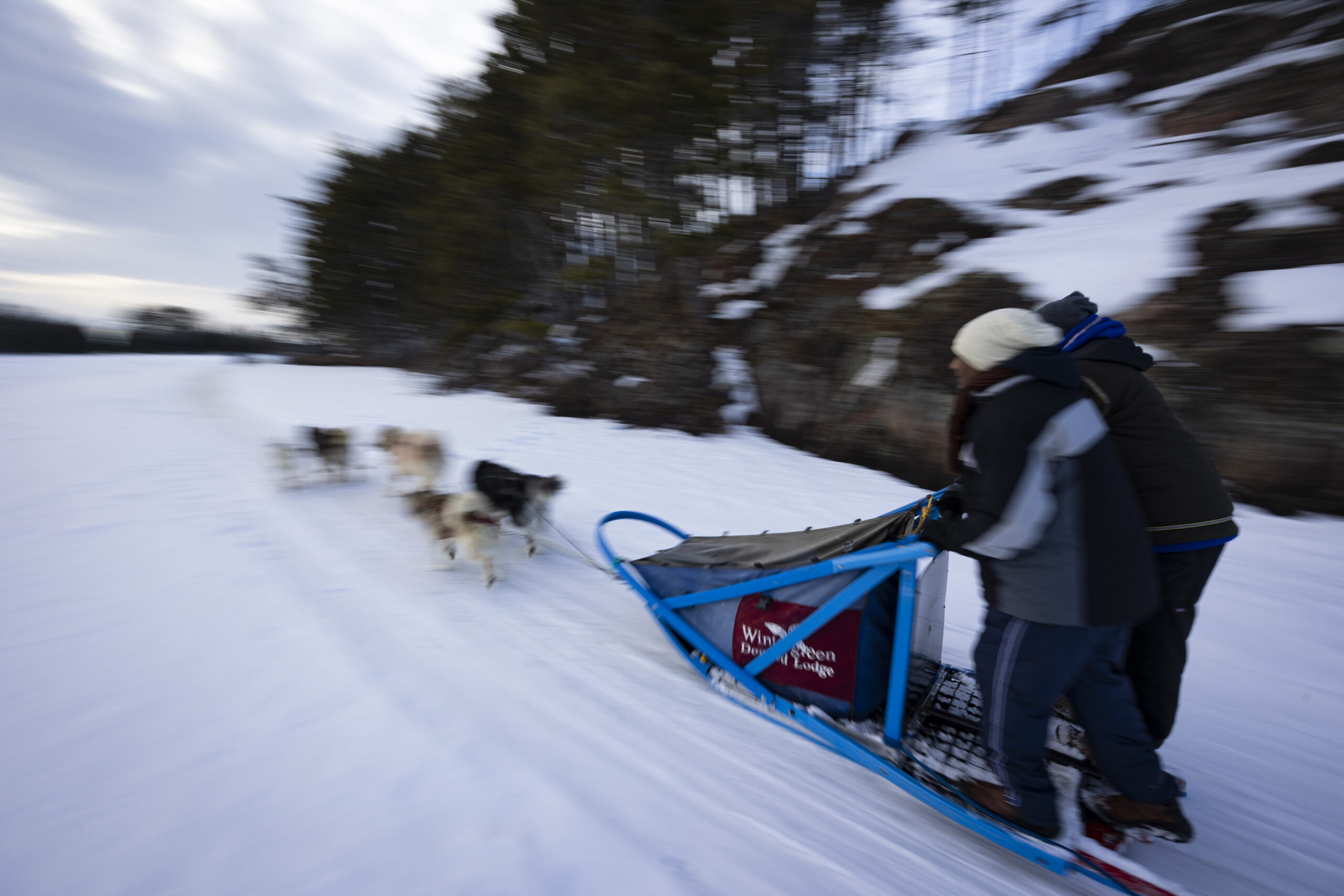
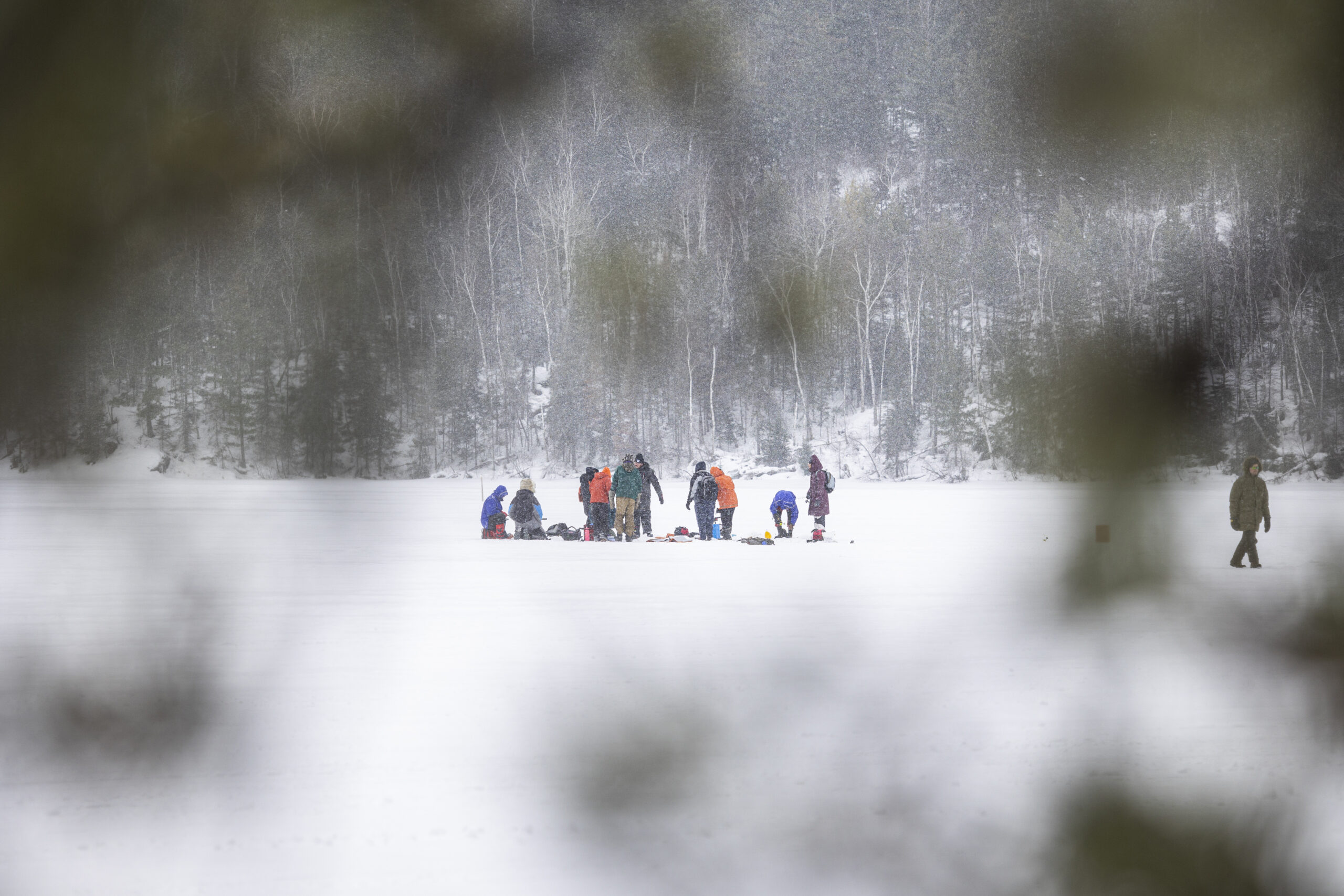
Through Outdoor Afro, Scott typically commits these months to winter activities that introduce his community to cold-weather environments with care. From Feb. 17 to Feb. 20, he hosted a first-time “Intro to Minnesota Winter Wilderness Weekend” in Northern city Ely – tapping into the Superior National Forest and Boundary Waters Canoe Area Wilderness – to teach survival skills and fun hobbies for this habitat. Community participants learned to dogsled, ice fish, and snowshoe. With nearly seven years of Outdoor Afro leadership experience in guiding his neighborhood in nature, Scott offers insight into no-man’s-land adventures during this time of year:
(Outdoor Afro Communications Director Candace Dantes) Q: Why was this network experience worth hosting to start 2023? What were the benefits of taking the time to coordinate and lead this first-ever experience for your community? (Stephen Scott) A: It's an excellent opportunity to try new winter activities and experience the beauty of our national forest. It also creates partnerships within the Ely community (Kes Ebbs, Superior National Forest/Kawishiwi District, Wintergreen Dogsled Lodge, Arrowhead Outdoors) and shares the beauty of the outdoors in the winter.
Q: For those not comfortable with radical winters (like me lol), what’s the appeal of Minnesota? Why is it an ideal staycation or travel destination? A: Beyond the frigid temperatures, Minnesota provides the perfect backdrop for a winter wonderland full of outdoor and indoor exploration. Before visiting in the winter, be sure to pack your layers (base, mid and top), gloves, and favorite hat.
Q: So, what exactly did participants grasp during the wilderness weekend? A: A few different tasks. They learned about the conservation ethics, Minnesota ecosystems, careers in natural resources, and the relationship between recreation and management. For our specific activities, each got to understand the basics of dogsledding (orienting, meeting the dogs, launching a sled); snowshoeing (how to put shoes on and walk in them properly); and ice fishing (how to auger a hole into the ice, bait a hook, and find fish).
Q: From the images our professional photographer Joe Klementovich captured, the network action looked so tantalizing to try. As a seasoned winter wilderness expert, what tips do you have for first-time participants exploring nature in Minnesota during the winter months? A: Definitely dress in layers to maintain your warmth. Bring a warm beverage in an insulated container to stay hydrated. Pack adequate snacks to keep your energy going throughout the day.
Q: Noted. For veteran nature explorers of the area, what’s something new they can learn in this region? A: Understanding the difference between “good” cold and “bad” cold to participate in local adventures. There is a difference. Also, being deliberate about their actions to prevent accidents, and truly knowing weather conditions so you’re prepared in terms of having the right gear and equipment.
Q: Speaking of gear and equipment, what are your must-packs for winter activities in Minnesota? And why these particular items? A: For me: wool base layers to start. These layers allow my body to stay warm but also help remove moisture from my skin. Second, a buff. It's a multifunctional piece preventing drafts around the neck and can easily protect the face from the elements. Third is my windshell, which pierces blowing winds and pulls heat from my core. Fourth, softshell snow pants for movement, protection from snow, and turn into a vent when I get hot. Fifth are, of course, my snow boots to keep my feet warm and dry. Honorable mentions: gloves, a hat, sunglasses or goggles, and hand warmers.
Q: Got it down. Thank you for those “honorable mentions,” too. Lastly, you’re serving as a guide and mentor to fellow Outdoor Afro volunteer leader Christine Meissner this year since she became a recipient like you were of the Polar Explorers Matthew Henson Scholarship. Christine will attend a five-day introduction to a winter travel training course in the Boundary Waters Canoe Area Wilderness. What specifically will you help Christine achieve during this experience? What advice do you have for her before pursuing this scholarship journey?
A: My role as a second-year scholar is to provide Christine support in preparation (gear and questions) for the Polar Shakedown Training – designed to ready scholars for extreme cold-weather expeditions or polar treks. I also joined the Shakedown team to help guide the other scholars. My advice for Christine is to embrace skill-building, camaraderie, views, and temperatures – fully. I hope she will learn about her own personal limits, become deliberate in her actions while being in the cold, understand the different types of coldness, and thrive. Not just survive.
 *Click here to learn more about our Outdoor Afro Leadership Training that volunteers like Scott and Meissner participate in annually to develop aptitude to guide their neighborhoods in nature safely and sustainably.

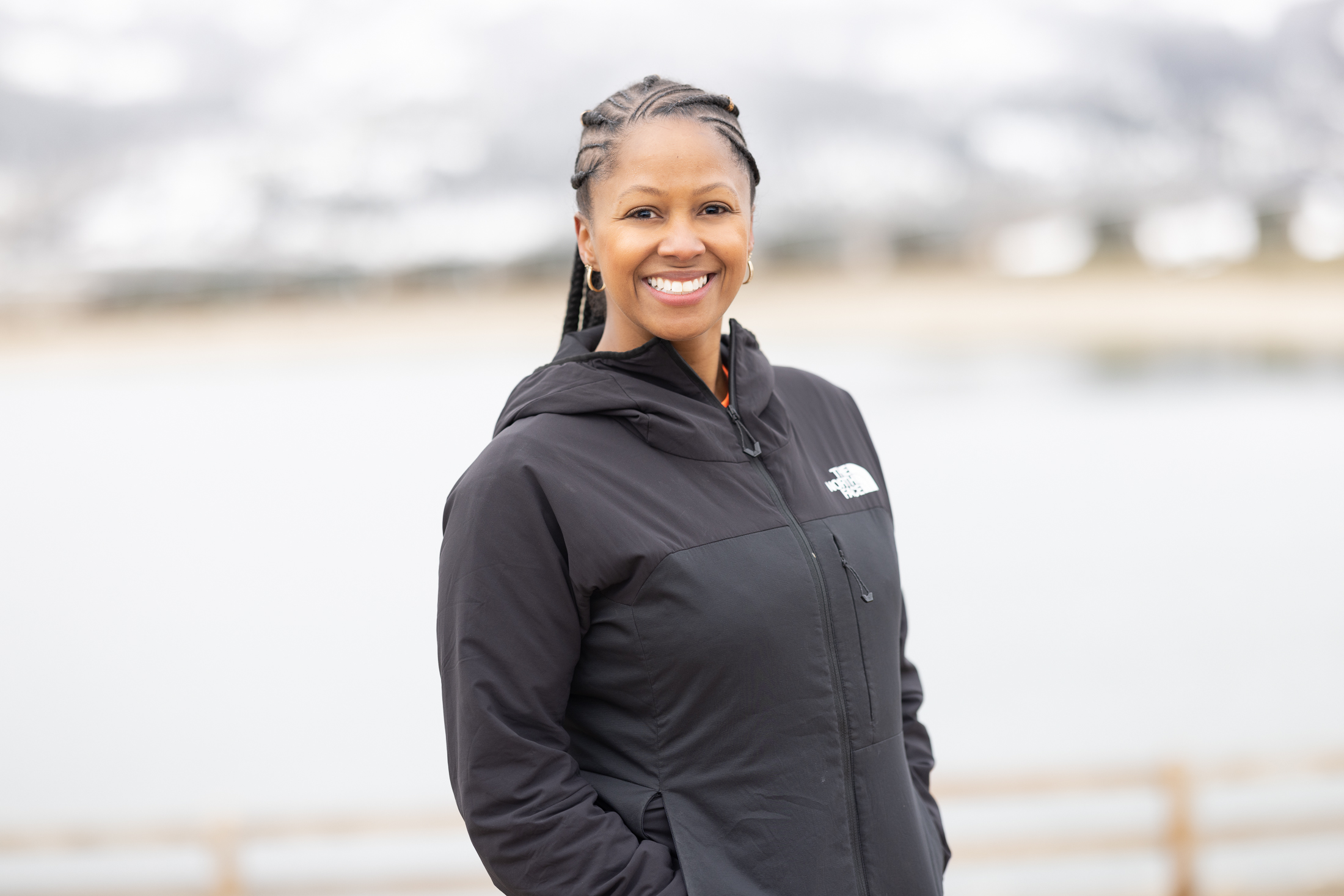
Chaya Harris' winter walking suggestions for Oprah Quarterly
Oprah Quarterly featured Outdoor Afro National Program Director Chaya Harris (CLICK HERE TO READ FULL REPORT) in its January 2023 winter coverage, asking the Boston-based outdoorswoman about the health implications of simply walking in cold weather. The right source to quiz, the former public school educator and now nature traveler's tally of winter excursions include New England ice climbing, ice skating, skiing, cross-country skiing, and snow tubing. In 2022, she and Outdoor Afro Founder and CEO Rue Mapp took an 18-day Hurtigruten Expeditions voyage together to Antarctica. So, Harris is pretty savvy on penguin diction, too. Coupled with her Oprah Quarterly commentary, Harris shares these good-to-know points and health benefits to this hibernal activity:
QUESTION: CAN YOU EXPLAIN THE PHYSICAL BENEFITS ONE GAINS FROM WALKING OUTDOORS?
HARRIS: Walking or hiking is such a popular Outdoor Afro nature activity for our networks across the nation. Specifically because of the many health benefits, including muscle development, building a steadier heart rate, and more time outdoors to address any weight concerns we might have. It’s an opportunity to connect our minds and body in a simple fashion. Taking longer strides and engaging the core are easy actions to increase range of motion, flexibility, and coordination while walking in nature as well.
QUESTION: HOW DOES WALKING IN NATURE, OR JUST THE OUTDOORS, IMPROVE MENTAL HEALTH?
HARRIS: It really gives space for us to clear our minds — to re-access daily tasks or challenges from a newer (sometimes creative) perspective. There is this notion of seasonal affective disorder that can make us depressed or anxious as the year changes. Walking can become an answer to discovering peace in these times, becoming an effective source for decompressing mentally from major life shifts. I personally find it interesting how setting goals while walking — like a 15-minute neighborhood stroll — can turn into this serotonin accomplishment boost.
QUESTION: HOW IMPORTANT IS IT TO WALK IN NATURE FOR OVERALL WELL BEING?
HARRIS: In these semi-COVID times, it’s valuable. Working remotely has truly become commonplace for a lot of people, families, and communities. Walking as a form of exercise, self-care, or socializing is vital to adjusting during the pandemic. It’s a rewarding outlet worth taking advantage of for our sanity. It certainly grounds me and allows me to release any tension or stress I’m feeling. Walking equally reminds me of the small wonders in life — the birds chirping or flowers blooming — and making the most of each moment in nature. Dedicating time to walk in my neighborhood also gives me gratitude that I’m able to stay home and appreciate the outdoors in my area.
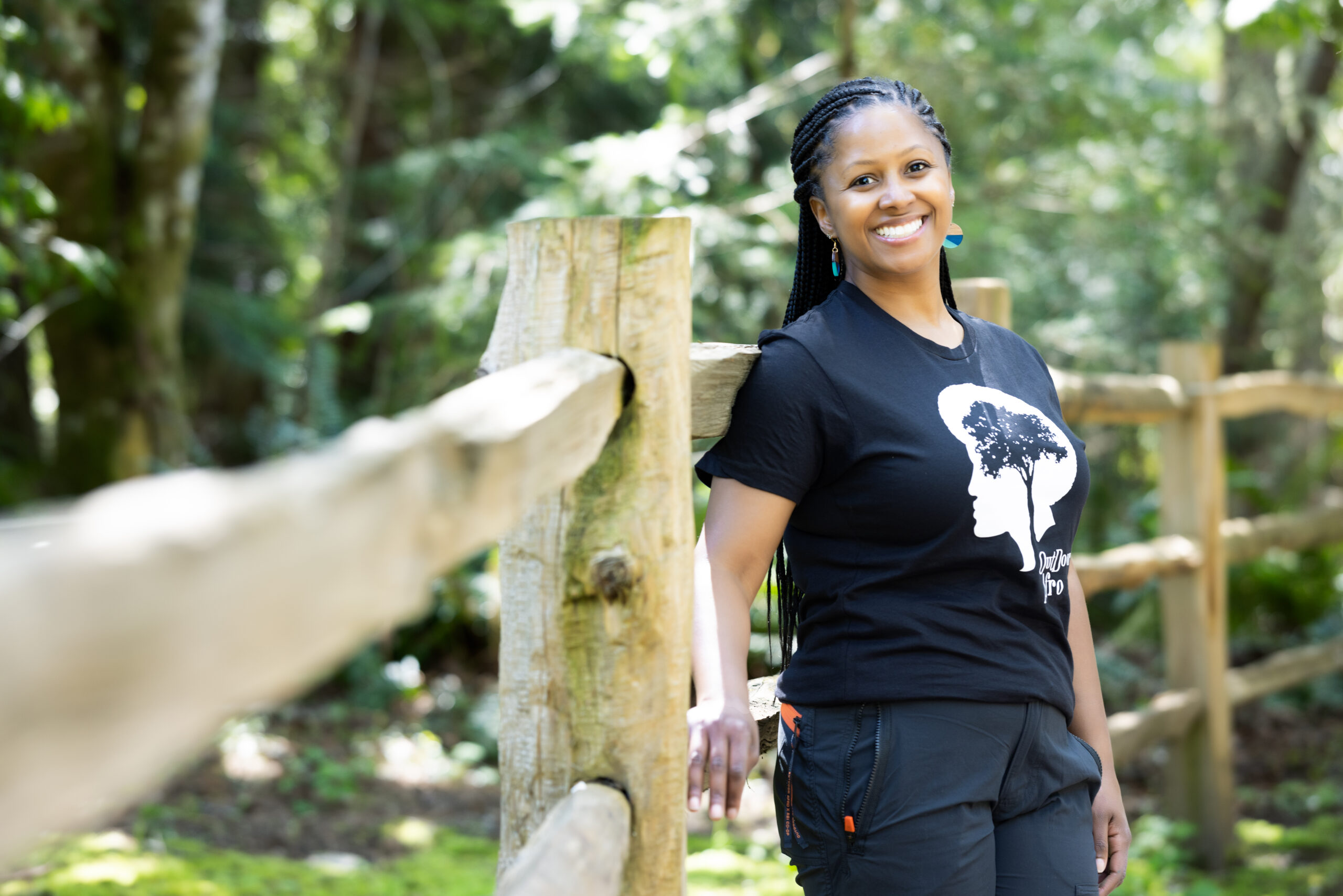
QUESTION: ARE THERE ANY SPECIFIC BENEFITS ONE GETS FROM WALKING IN WINTER DUE TO THE COLD WEATHER OR SCENERY?
HARRIS: For one thing: There’s no mosquitos or other creatures that may typically cause fear or anxiety. I find the winter months as much calmer with quieter locations in nature. Winter walking is easier on the joints if you’re in a snowy region. I love that soft crunch under my feet. With the right layers, you can get a fairly low-impact workout.
QUESTION: CAN YOU SHARE TIPS FOR MAKING WALKING A DAILY ROUTINE?
HARRIS: Literally, write down “walking today” on a Post-it Note. Schedule time in your smartphone. Seriously, make walking part of your personal or work schedule. Don’t be afraid to scout a neighbor or colleague to become your walking buddy. It gives the experience a social element. If no one is available, use the opportunity to listen to your favorite podcast or a new album while in route. Don’t forget: Focus on the enjoyment part of walking. Turn it into a daily routine or an award system to self.
QUESTION: ANY PRACTICAL TIPS OR WALKING-IN-WINTER STRATEGIES TO KEEP IN MIND, SAFETY ISSUES, WAYS TO PROTECT YOURSELF FROM THE CLIMATE?
HARRIS: Shop fun, comfortable, and durable footwear. Ones so snug you welcome exploring more in nature or your neighborhood. Layering up in the wintertime is high priority in cold weather. Have your base layer (not cotton if you want to keep sweat away), then your insulating layer (fleece options) and outdoor layer (puffy coat or down jacket). If it’s raining, consider a hard shell jacket. I like full zip-ups as a form of extra protection. Plus, they’re easier to pack up.
QUESTION: ANYTHING ONE CAN DO TO ENHANCE THEIR EXPERIENCE WALKING OUTDOORS/IN NATURE?
HARRIS: Pair walking with other nature activities you enjoy. For instance, bird watching, journaling, or photographing wildlife. Also, try walking throughout the four seasons to keep your scenery in nature interesting and with a fresh perspective on life.
ABOUT OUTDOOR AFRO: Outdoor Afro is a national not-for-profit organization that celebrates and inspires Black connections and leadership in nature. What started as a kitchen table blog by Founder and CEO Rue Mapp in 2009 has since grown into a cutting-edge nationwide network with 100-plus volunteer leaders in 60 cities. “Where Black people and nature meet,” Outdoor Afro reconnects Black people with the outdoors through outdoor education, recreation, and conservation. Follow us @outdoorafro on social.
Tips for Cold Weather Hiking
Inspired by recent Outdoor Afro Facebook and Twitter conversations, Virgina State Parks let me know about a recent article they posted, written by John Gresham, about how to enjoy the wonderful changes in the weather -- thanks VSP for allowing us to share such a timely post -- read on:
For many people, the season to enjoy the state parks is over. The thermometer barely hits 50 degrees on a warm day. Snow is in the forecast as early as Thanksgiving in some places. It seems that the best way to enjoy the outdoors over the winter is to watch ESPN on Saturday mornings.

But, have you ever noticed deer and waterfowl hunters? Sometimes they come home empty handed and talk about what a great day they had. There is a special beauty and peace in the solitude of outdoor winter activities. As an outdoor photographer, I look forward to the colors of fallen leaves among evergreens, snow, and waterfowl that only visit us this time of year. The key to having fun outside in cold weather is to stay warm, safe, and sensible.
Stay Warm: Hypothermia (lowering of your body temperature) is the killer of the unprepared
- Wear a hat or hood- 40 to 50% of your body heat is lost through your head.
- Wear mittens, waterproof boots, and a windproof jacket- protect the rest of your body.
- Wear wool or synthetic fabrics- when cotton gets wet, it pulls heat from your body.
- When hiking, move slow enough that you don't sweat- sweat is how your body cools off.
- Don't sit on cold rocks- they will draw heat from her body.
- Eat high energy snacks- nuts and dried fruit will fuel your body's "furnace".
- If you start to shiver, head for the closest warm place.
Stay Safe: Guard against falling on slippery surfaces.
- Be careful where you step- exposed rock or bare ground is far safer than packed snow or icy surfaces.
- Don't step on wet wood or icy, sloping rocks- you could slip and get injured.
- Choose trails wisely- If a trail gets too slippery, turn back or take a different trail
- Leave your dog at home- Dogs pull on their leashes and you. This increases your likely-hood of slipping or stumbling.
Stay Sensible: Your mind is your best safety and survival tool.
- Drink water- to avoid dehydration.
- Wear sunglasses- when the sun glares on snowy ground.
- Bring a whistle- to use if you become injured or lost.
- Stay alert- for signs of cold exhaustion in yourself or hiking partners. Shorten a hike if necessary.
- Hike with a partner- reduce your risk and enjoy the outdoors with someone.
- Carry your map and car keys in a place where they won't get lost.

Stay warm when hiking outdoors. Stay alert too. You never know what nature has to offer this season.