
Washington Park
Washington Park in Milwaukee, Wisconsin is a unique outdoor destination. Historic urban park on the city’s West Side. It also holds special significance, serving Milwaukee’s Black neighborhoods and a hub for cultural events.
Recommended Activities: Visitors can enjoy cycling, fishing, and walking here.
Tips for a Safe & Enjoyable Visit:
- Check the weather forecast and dress appropriately.
- Bring appropriate licenses and follow local fishing regulations.
- Respect cultural heritage sites and follow Leave No Trace principles.
- Carry a repair kit and check your tires before riding.
- Wear a helmet and reflective gear for safety.

Exploring Black History in Las Vegas
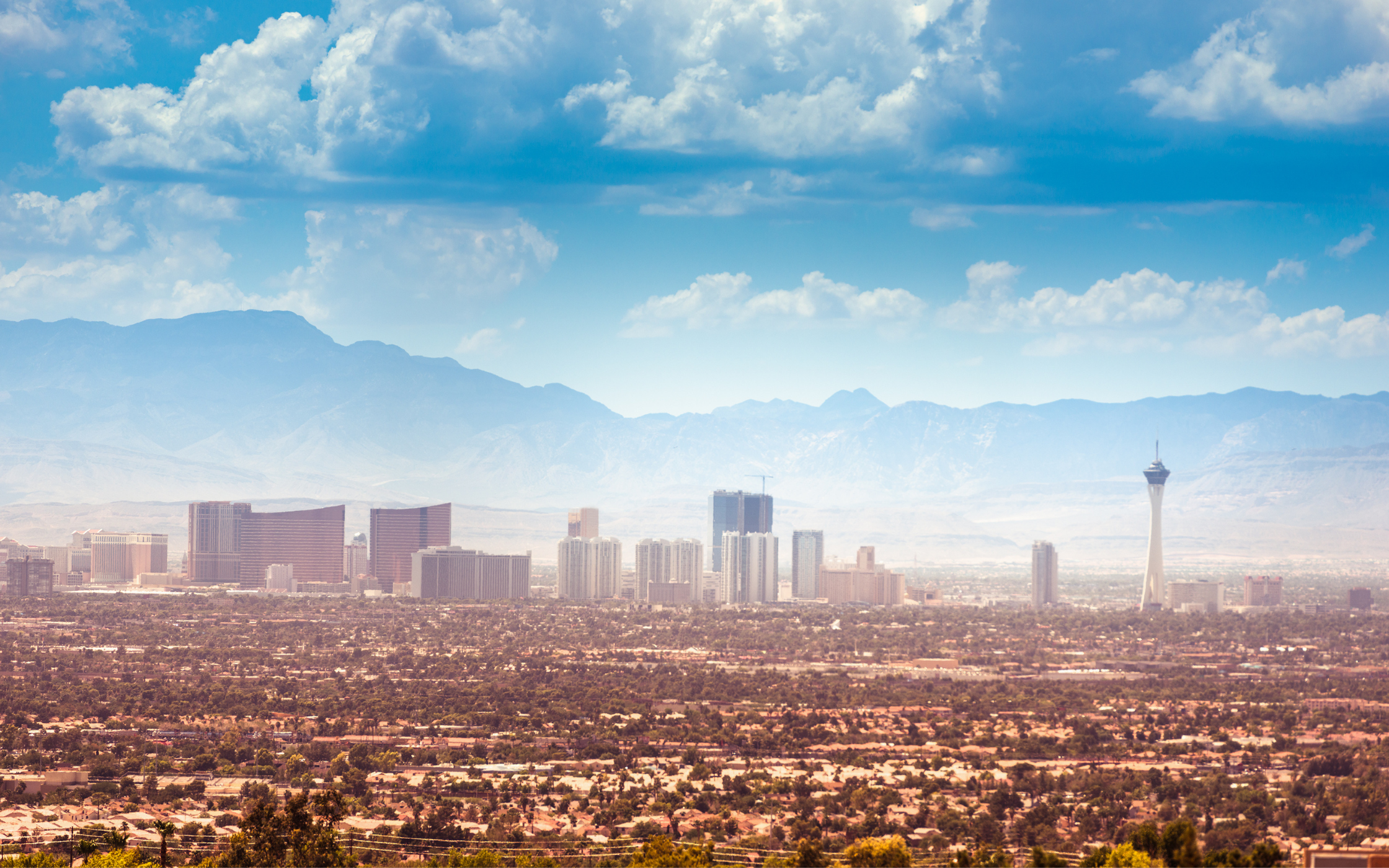
Las Vegas might be known for its glitz and glamour, but if you take the time to look past the neon lights, there’s an important and often overlooked story to uncover: the legacy of African American culture and activism that shaped the city we know today.
The Historic Westside: A Pillar of Black Resilience
Our journey starts in the Historic Westside, the heart of Las Vegas’s Black community for decades. This area, though now experiencing gentrification, was once a thriving center of Black life, offering refuge and opportunity during the Jim Crow era.
Here, you’ll find the African American Museum and Library at Oakland, which provides an in-depth look at the experiences of African Americans in Las Vegas. From early pioneers to modern-day changemakers, this museum tells the complex stories of struggle, success, and community-building that have shaped the city.
Legacy and Reflection at the Walker African-American Museum
A short drive away, the Walker African-American Museum offers a quieter, more intimate experience. Inside, the walls are lined with photographs, documents, and artifacts that span generations. You’ll encounter personal stories of African Americans who were essential to Las Vegas’s development but often remained in the shadows of mainstream history. Each display is an invitation to pause, reflect, and honor the unsung heroes whose contributions shaped the city.
Modern Culture: Black-Owned Businesses That Define the City
While the museums offer a glimpse into the past, the businesses in Las Vegas today are the heartbeat of Black culture in the city. The Westside’s Black-owned restaurants, like TC’s Rib Crib and Gritz Cafe, offer more than just food—they serve as cultural touchstones, where recipes passed down through generations tell the story of resilience and tradition.
As you explore the local scene, don’t forget to support the small businesses making waves. Whether you’re shopping for handmade jewelry or catching live music, Las Vegas’s Black entrepreneurs continue to push the boundaries of creativity, community, and culture.
A Day Well Spent: Reflection and Empowerment
By the end of the day, you’ll have experienced Las Vegas in a new light. Beyond the glitz, the lights, and the entertainment, you’ll have connected with the history of the people who have long called this city home. As you reflect on what you’ve learned, you’ll understand that the true spirit of Las Vegas isn’t just in its casinos or its shows—it’s in its communities, its stories, and its people.
Take Action: Want to dive deeper? Consider joining local Black history walking tours or attending events hosted by the Black Cultural Heritage District. The best way to understand a city is through its people, and there’s no better way to honor the past than by supporting the culture and businesses that continue to shape the future.
Black History Month 2024: Outdoor Afro uplifts ag contributions of George Washington Carver
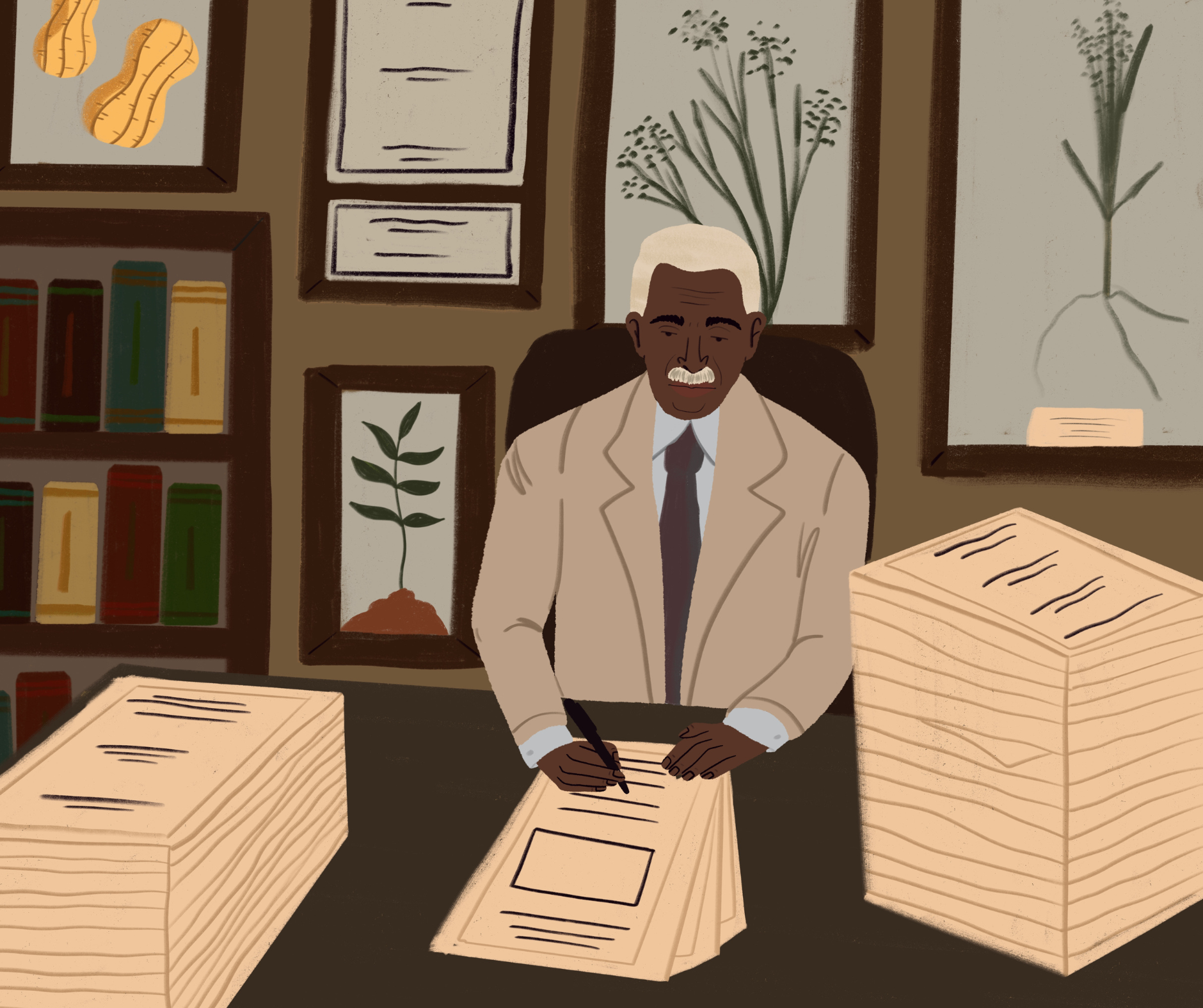
Outdoor Afro opens its “Year of Innovation” celebrating internationally recognized inventor, educator, and botanist George Washington Carver during Black History Month 2024. “Our organization encourages U.S. communities to reflect on your own connections to Black history – the heroes and trailblazers like Carver who are in your lives now and whose legacies continue to inspire and shape our collective journey,” said Outdoor Afro Founder and CEO Rue Mapp. Carver developed more than 300 commercial, industrial, and food products between the late 19th and early 20th centuries using the peanut. Many of the items he created are still used in nature today – by Outdoor Afro’s staff, team of volunteer leaders, and community participants across the United States. Earning the nickname “The Peanut Man” (although he didn’t invent peanut butter), Carver originated cooking oils, beverages, paper, soaps, cosmetics, dyes, paints/stains, and even medicines. He also released 44 nature bulletins that reported cultivation findings for farmers, recipes for housewives, and science information for teachers.
Carver originated the modern term “regenerative agriculture.” His care for farmers and farmland in America’s Black Belt Region achieved sustainable agriculture practices like crop rotation to restore nutrients into soil. He hurled into history books by becoming the first Black person to earn a Bachelor of Science degree in 1894. Researching fungal infections of soybean plants, he advanced his knowledge by identifying and treating plant diseases. He advanced his education by earning a Master of Agriculture two years later. Tuskegee Institute (now Tuskegee University) in Alabama offered him a faculty position, which he held for the rest of his life. The university established an agricultural school with Carver leading an all-Black faculty. His classroom lessons put emphasis on ag students and Southern farmers learning how to implement conservation techniques that replenished crops and community farmland.

Just as Carver introduced rural producers and young scholars to new ways of tending the land, Outdoor Afro competitively selects and trains volunteer leaders annually who guide more than 60,000 people in U.S. communities through contemporary network activities. Reimagining activities like gardening, foraging, fishing, u-pick farming, and bird watching. Designed to strengthen relationships and stewardship of local land, water, and wildlife. In its 15th year, Outdoor Afro’s flagship Volunteer Leader Program prepares roughly 100 volunteer leaders to connect and reconnect Black people to nature. Each volunteer plans and hosts year-round adventures across the organization’s four regions: Midwest, Northeast, South, and West. Volunteers hold at least 12 network outings a year within their neighborhoods. Outdoor Afro includes 32 networks located in nearly 60 U.S. cities.
“As we embrace Black History Month at Outdoor Afro, it's important to recognize that celebrating the achievements of the Black American community is not confined to a single month as our monthly nature activities, programs, and campaigns show,” said Mapp. “It's woven into the fabric of everything we do. Every day. Throughout the year." Mapp added: “However, this designated time allows us to reflect on the journey and accomplishments of Black individuals across time and space, serving as a poignant reminder of both our progress and the boundless potential that lies ahead.” Carver’s story marks the organization’s third annual Black History Month digital storytelling series. This educational and social campaign helps bring awareness about then-and-now Black nature pioneers. Created for readers and followers to remember, learn from, and become inspired to create community impact as Carver did.
ABOUT OUTDOOR AFRO: Outdoor Afro is a national not-for-profit organization that celebrates and inspires Black connections and leadership in nature. What started as a kitchen table blog by Founder and CEO Rue Mapp in 2009 has since grown into a cutting-edge nationwide organization. Outdoor Afro’s U.S. networks include nearly 100-plus volunteer leaders who guide nature activities in up to 60 cities with network participation reaching 60,000 people annually. Outdoor Afro reconnects Black people to the outdoors through outdoor education, recreation, and conservation. Connect with @outdoorafro on social and visit outdoorafro.org to follow our year-round nature narratives.
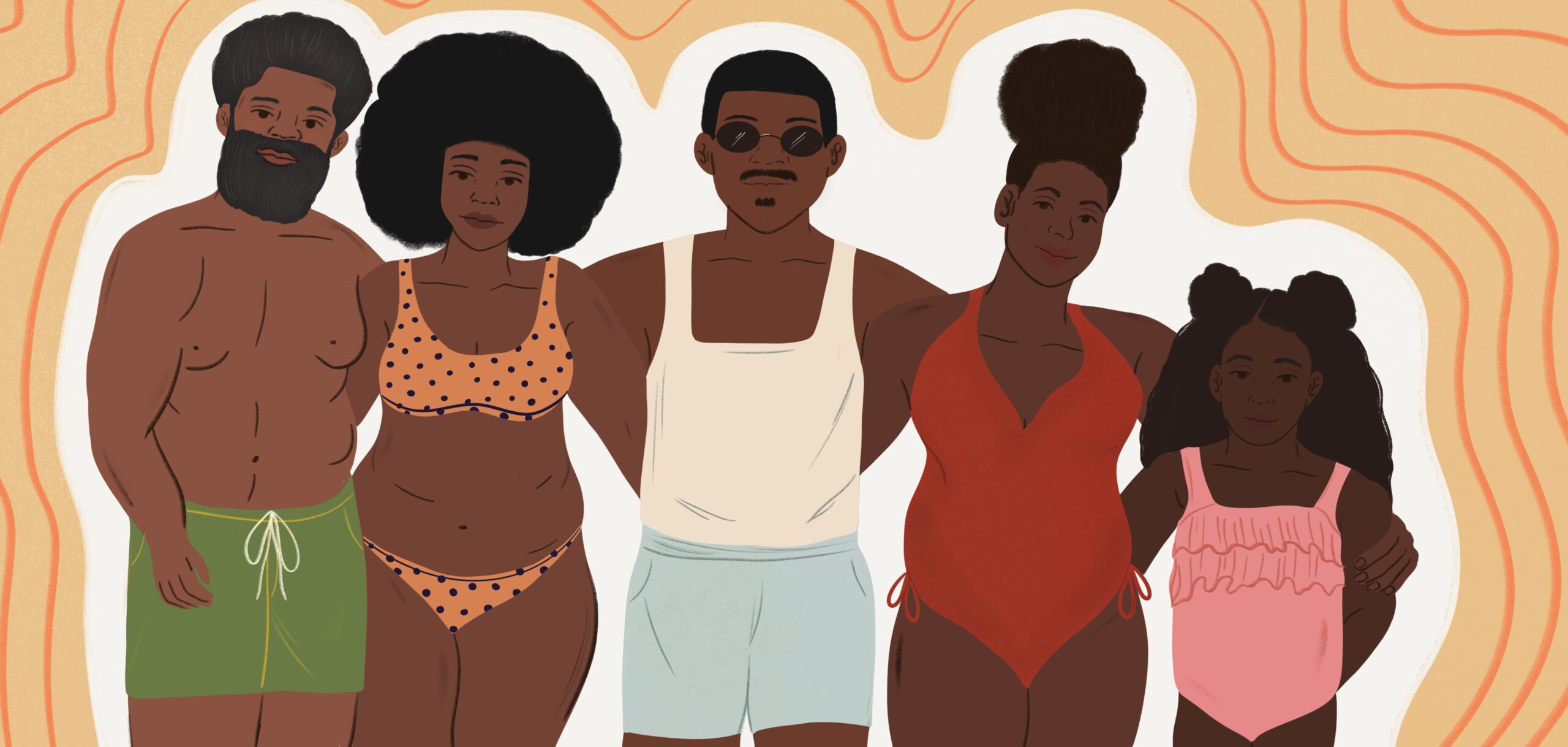
Outdoor Afro commemorates Juneteenth through 2023 'Freedom to Access Water' theme
Black community connections to local waterways aren’t always the easiest conversations or experiences to navigate across nationwide neighborhoods. “When we look specifically at access to public swimming pools, the Centers for Disease Control and Prevention research persistently shows that the drowning rate of Black children is more than 7.6 times that of white children,” said Rue Mapp, Founder and CEO of national not-for-profit organization Outdoor Afro. The statistic ties to the historic prohibition of Black entry onto beaches and into public pools.
To change the course of this particular water woe, Outdoor Afro centers its third annual Juneteenth (June 19) theme on “Freedom to Access Water” – coupling the federal holiday with the organization’s fifth annual Making Waves program. Launching right after Juneteenth, Making Waves’ goal is to teach up to 1,000 Black children and their caregivers how to swim within Outdoor Afro’s sphere of influence. On June 19, Outdoor Afro will extend its nature invitation to U.S. communities, which is simply to join the organization outside to commemorate Juneteenth. Preferably near water sources people enjoy visiting individually or with family and friends. To rest. Reflect. Heal in the outdoors for 2.5 hours.
“We want to stay fixed on the true essence of Juneteenth at Outdoor Afro,” said Mapp. “The false narrative is that this holiday symbolizes a celebration to ending slavery; however, this label just isn’t accurate.” Instead, June 19, 1865, documents the date 250,000 enslaved Black Americans in Galveston, Texas, were told they were free. Good news, indeed. The only problem: Enslaved people received the announcement 2.5 years after the Emancipation Proclamation (signed Jan. 1, 1863) went into effect.
Outdoor Afro uses its community and nature work to educate the general public about the correct meaning behind Juneteenth and how significant freedom and time – in its many interpretations – is to everyone. Outdoor Afro’s National Program Director Chaya Harris leads the organization’s Making Waves program. She matches families and individuals with select sites that offer swim lessons through the program. “We’re asking the public, supporters, partners, and our local networks to spend just 2.5 hours in nature on Juneteenth,” said Harris. “It’s a great way to focus on Making Waves and reach our 1,000 Swimmership goal with a new generation of confident swimmers and swim instructors.”
ABOUT OUTDOOR AFRO: Outdoor Afro is a national not-for-profit organization that celebrates and inspires Black connections and leadership in nature. What started as a kitchen table blog by Founder and CEO Rue Mapp in 2009 has since grown into a cutting-edge nationwide movement with 100-plus volunteer leaders in 60 cities with network participation reaching more than 60,000 people. Outdoor Afro reconnects Black people with the outdoors through outdoor education, recreation, and conservation. Follow Outdoor Afro at outdoorafro.org and @outdoorafro today. Illustrations by Dajah Callen.

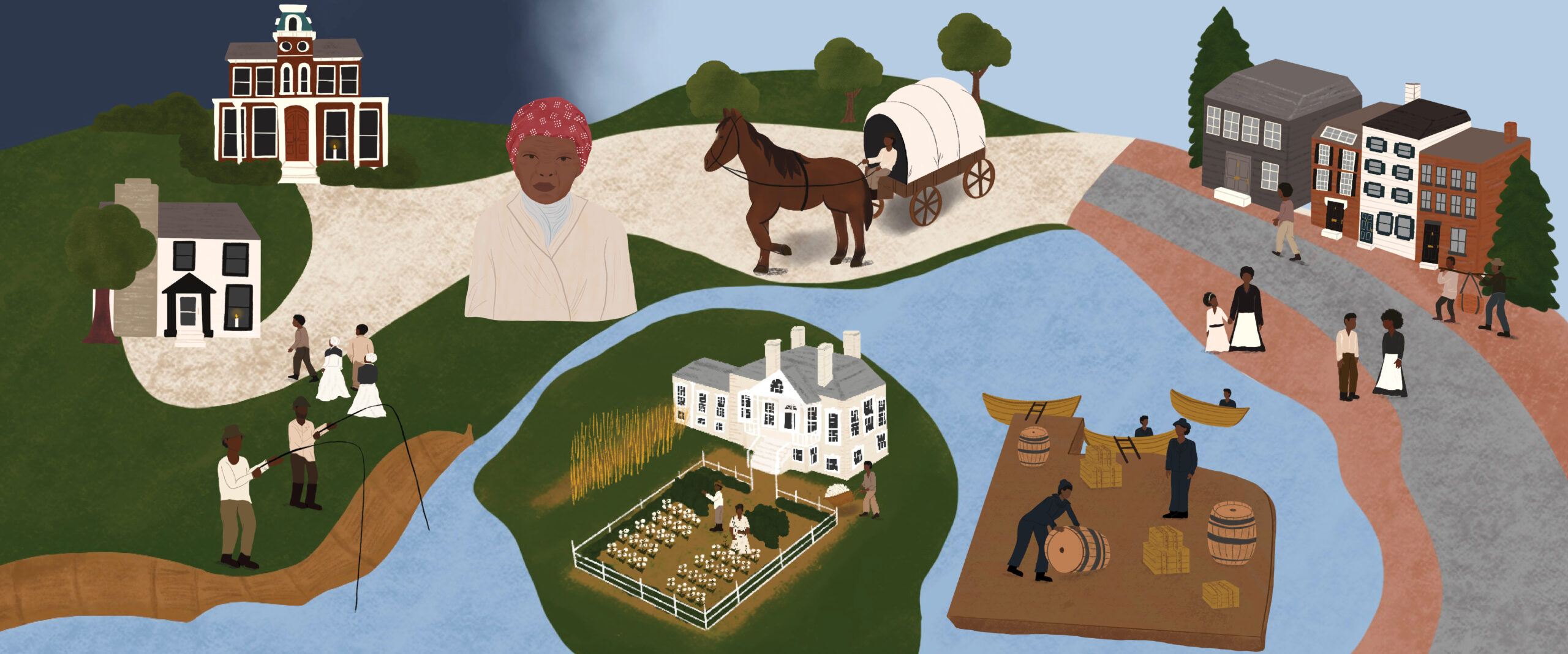
Outdoor Afro travels the Underground Railroad in 2023
Outdoor Afro originates its second year of illustrated storytelling during Black History Month. For 2023, the organization collaborated with digital illustrator Dajah Callen to educate about one of the most well-organized networks by abolitionists to usher enslaved people out of the American South: the Underground Railroad. “Collaborating with Outdoor Afro for this Black History Month project was a natural fit since my work centers emotions and thoughts we sometimes find hard to put into words,” said Callen. “I also enjoy drawing nature.” Virtually visit trails and tours identified by the National Park Service’s National Underground Railroad Network to Freedom program and periodically toured by local Outdoor Afro networks throughout each year.
EXPLORE THIS ILLUSTRATED STORY
Callen’s illustrations depict the freedom train’s allegorical “conductors” who strategically mapped out and commonly led a matrix of “stations” from 1810 to 1850. These stations guided runaways (approximately 100,000) into liberation and provided temporary care. Some stations were shipyards. Others were safe houses (churches, barns, businesses). Modes of transportation used included boats, wagons, and freedom by foot. Harriet Tubman served as one of the railroad’s distinguished conductors. She learned about the secret communications that happened on trade routes and applied the course knowledge. Her leadership as an outdoor navigator and wilderness survival expert earned her the Biblical title of “Black Moses.”
She, along with fellow conductors, operated canals, trails, bays, rivers, ferries, and forests as routes to help enslaved people escape. Tubman is known for guiding more than 13 trips to the South. It’s estimated she freed more than 70 enslaved people, including family and friends. In the spirit of the Underground Railroad’s national reach and mission, Outdoor Afro selects and trains a network of more than 100 volunteer leaders who lead their neighborhoods in nature. With networks in 60 cities and up to 32 states throughout the United States, volunteer leaders guide more than 60,000 people nationwide annually to explore land, water, and wildlife.
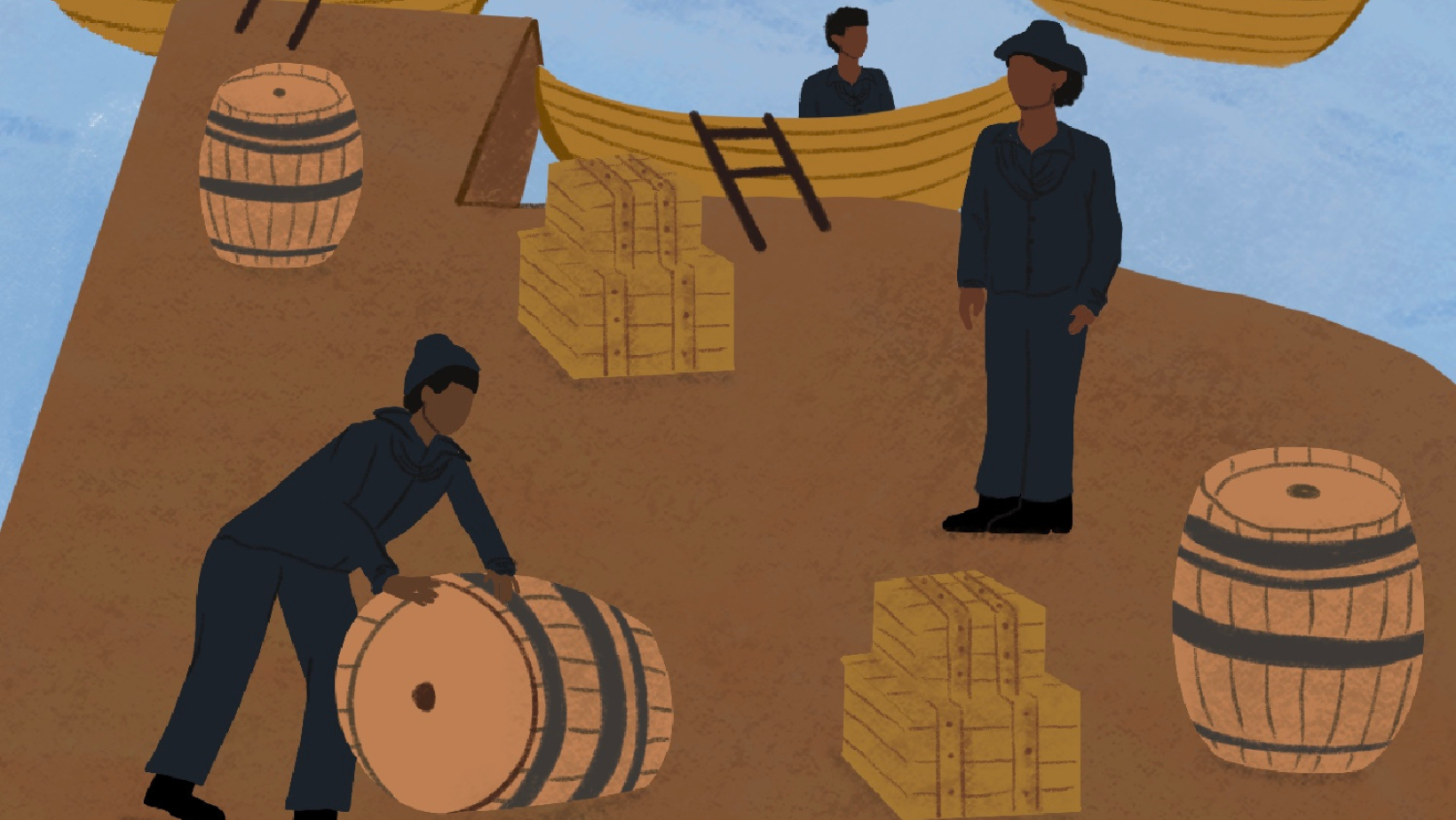
Outdoor Afro volunteer leaders help reintroduce local Black history stories like the Underground Railroad. Volunteer leaders serve as community “conductors” while guiding monthly outdoor activities. In addition to scheduling and hosting neighborhood historical tours, leaders use social media to connect and invite community participants to multigenerational experiences in nature. These backyard activations include biking, gardening, kayaking, fishing, bird watching, swimming, and other requested community adventures.
Outdoor Afro National Program Director Chaya Harris sees the digital storytelling series as magnifying Black history in nature, showing that Black people were – and still are – skilled communicators, navigators, merchants, entrepreneurs, farmers, craftspeople, and more: “Outdoor Afro’s networks often take community participants to modern-day tours and trails connected to the Underground Railroad,” said Chaya Harris. “By the end of these historical visits with our network leaders and participants, we’re reminded that a lot of thought, planning, and people went into this ongoing journey toward freedom.”
ABOUT OUTDOOR AFRO: Outdoor Afro is a national not-for-profit organization that celebrates and inspires Black connections and leadership in nature. What started as a kitchen table blog by Founder and CEO Rue Mapp in 2009 has since grown into a cutting-edge nationwide movement with 100-plus volunteer leaders in 60 cities with network participation reaching more than 60,000 people. Outdoor Afro reconnects Black people with the outdoors through outdoor education, recreation, and conservation. Follow Outdoor Afro at outdoorafro.org and @outdoorafro today.
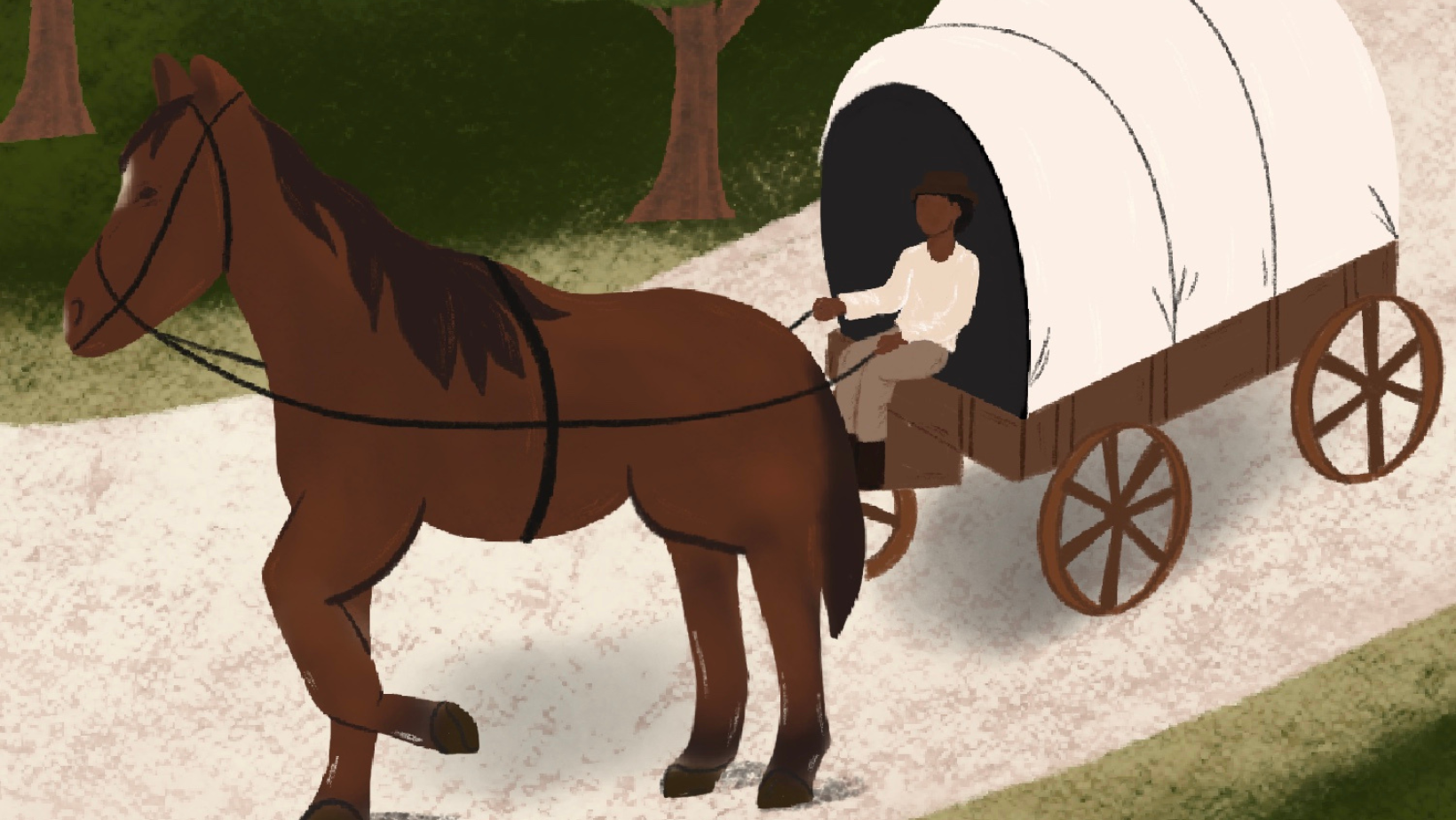
*Outdoor Afro's Black History Month 2023 illustrated scenes of the Underground Railroad. Artwork by Dajah Callen
Nature Champs: CLIF® Athlete Venus Williams, Outdoor Afro
Consider Virginia Key Beach as the response to white-only swimming pools and water recreation. In the middle of the 20th century, this Miami vacation destination for Black people granted access to boating, fishing, surfing, swimming, and beachside lounging. A way of life for generations of Black nature enthusiasts and Black wealth to thrive – even while segregation tormented the country. Outdoor Afro revisited this historical landmark summer 2022 with partner CLIF BAR® and CLIF® Athlete Venus Williams to reflect on Black joy and healing in nature-rich places.
“What an honor to not only share the day with Venus but with our Founder and CEO Rue Mapp,” said Outdoor Afro volunteer leader Sierra Taliaferro with binoculars ready. “I wanted to do my best to provide a memorable experience in my backyard of Miami." Joined by fellow volunteer leader Michele Nedrick, Taliaferro led Outdoor Afro community participants, Mapp, and the tennis star through the beach’s nature trails and cultural history. Taliaferro helped the group identify native flora and fauna in between genuine conversations to learn more about each other.
A Miami transplant, Taliaferro spends most weekends exploring area routes. Like the Outdoor Afro activities she hosts monthly, this partnership experience allowed both Taliaferro and Nedrick to introduce new CLIF BAR® and Outdoor Afro staff to local stories and species of the beach. Decades of it. “Virginia Key Beach is not only historically Black,” Taliaferro said, “but it’s monumental to our sometimes forgotten history.” The recreational site became a cherished safe space in the 1940s onward for Black beachgoers of the states to Black immigrants of South America, Cuba, and various Caribbean islands.

It wasn’t until 1982 that the city of Miami closed the beach because of “rising maintenance costs.” After a decades-long fight by the Virginia Key Beach Civil Rights Task Force, the beach landed on the National Register of Historic Places in 2002. It reopened to the public in February 2008. An ideal spot for Nedrick and Taliaferro to host Outdoor Afro network activities yearlong that naturally strengthen the neighborhood’s connection to its land, water, and wildlife. In rhythm with typical network hikes, Nedrick and Taliaferro started the day with Outdoor Afro’s signature opening circle of introductions. Then, their educational and transformative tour meandered through sandy tracks and prickly-ash plants.
Occasionally, migrating birds and zebra longwing butterflies fluttered by the group as insect sounds amplified the ambience of the tropical wilderness experience. A fervent birder, Taliaferro often used her “field glasses” to identify native feathered friends for the day’s company. Since the beach is right on the coast, water birds were the easiest to pinpoint: white ibises, double-crested cormorants, and black-crowned night herons. “I often emphasize to beginner birders that birding is unconventional,” said Taliaferro. “You literally can do it anywhere. Even from your backyard.”
What led to this moment of Outdoor Afro volunteer leaders – sharing their expertise about this place of purpose for Black people – and CLIF BAR® goes back nearly a decade ago. CLIF BAR® and Outdoor Afro have been partners since the network became a national not-for-profit organization in 2015. Continuing to grow the partnership, CLIF BAR® created CLIF CORPS. This initiative is CLIF’s employee-led community service program where CLIF® Athletes donate time and resources to support nonprofits that make the spaces they live and play in more accessible and inclusive.

Williams serves as a CLIF® Athlete and has been a fan of Outdoor Afro for some time now. The perfect recipe to have a Black joy (and Black history) moment in nature: “I am honored to be part of this new chapter of CLIF CORPS and to support Outdoor Afro’s work to show greater representation in the outdoor community,” said Williams. “Together we will make a meaningful impact to reconnect Black communities with the outdoors and sports through education, recreation, and conservation.” The CLIF CORPS partnership features a series of ongoing giving and service amplifications with community groups like the Women’s Sports Foundation and National Parks Service. The goal is to provide opportunities for people across the United States to participate in activities otherwise deemed inaccessible or unwelcoming for social, emotional, or economic reasons.
Throughout this year, Outdoor Afro volunteer leaders will guide CLIF-supported outdoor experiences across its four regions: Midwest, Northeast, South, and West. Activities range from biking, kayaking, and hiking. "A recent study led by Penn State found that 1 in 5 Americans have taken on a new outdoor hobby since the beginning of the COVID-19 pandemic. However, many Americans are unable to experience these benefits due to inequities in access to the outdoors and sports,” said Jodi Olson, Vice President of Brands at CLIF BAR®. “That’s why we are collaborating with Venus Williams and Outdoor Afro, two of our long-time partners, to enact change and break down systemic barriers, creating more diverse and inclusive activities for our communities.”
Williams and Outdoor Afro took a beach walk. A few community participants showed off their driftwood tightroping abilities. When everyone made their way back to the initial opening circle location, the space created a new appreciation for Black contributions that developed the beach. The seaside stroll reinforced the everyday work Outdoor Afro does to celebrate and inspire Black connections and leadership in nature. Taliaferro wrapped up the evening by sharing that “nature allows us to see not only the surrounding beauty, but also the beauty in ourselves. Nature is truly a reflection of us.”
