

Exploring Black History in Las Vegas
Las Vegas might be known for its glitz and glamour, but if you take the time to look past the neon lights, there’s an important and often overlooked story to uncover: the legacy of African American culture and activism that shaped the city we know today.
The Historic Westside: A Pillar of Black Resilience
Our journey starts in the Historic Westside, the heart of Las Vegas’s Black community for decades. This area, though now experiencing gentrification, was once a thriving center of Black life, offering refuge and opportunity during the Jim Crow era.
Here, you’ll find the African American Museum and Library at Oakland, which provides an in-depth look at the experiences of African Americans in Las Vegas. From early pioneers to modern-day changemakers, this museum tells the complex stories of struggle, success, and community-building that have shaped the city.
Legacy and Reflection at the Walker African-American Museum
A short drive away, the Walker African-American Museum offers a quieter, more intimate experience. Inside, the walls are lined with photographs, documents, and artifacts that span generations. You’ll encounter personal stories of African Americans who were essential to Las Vegas’s development but often remained in the shadows of mainstream history. Each display is an invitation to pause, reflect, and honor the unsung heroes whose contributions shaped the city.
Modern Culture: Black-Owned Businesses That Define the City
While the museums offer a glimpse into the past, the businesses in Las Vegas today are the heartbeat of Black culture in the city. The Westside’s Black-owned restaurants, like TC’s Rib Crib and Gritz Cafe, offer more than just food—they serve as cultural touchstones, where recipes passed down through generations tell the story of resilience and tradition.
As you explore the local scene, don’t forget to support the small businesses making waves. Whether you’re shopping for handmade jewelry or catching live music, Las Vegas’s Black entrepreneurs continue to push the boundaries of creativity, community, and culture.
A Day Well Spent: Reflection and Empowerment
By the end of the day, you’ll have experienced Las Vegas in a new light. Beyond the glitz, the lights, and the entertainment, you’ll have connected with the history of the people who have long called this city home. As you reflect on what you’ve learned, you’ll understand that the true spirit of Las Vegas isn’t just in its casinos or its shows—it’s in its communities, its stories, and its people.
Take Action: Want to dive deeper? Consider joining local Black history walking tours or attending events hosted by the Black Cultural Heritage District. The best way to understand a city is through its people, and there’s no better way to honor the past than by supporting the culture and businesses that continue to shape the future.

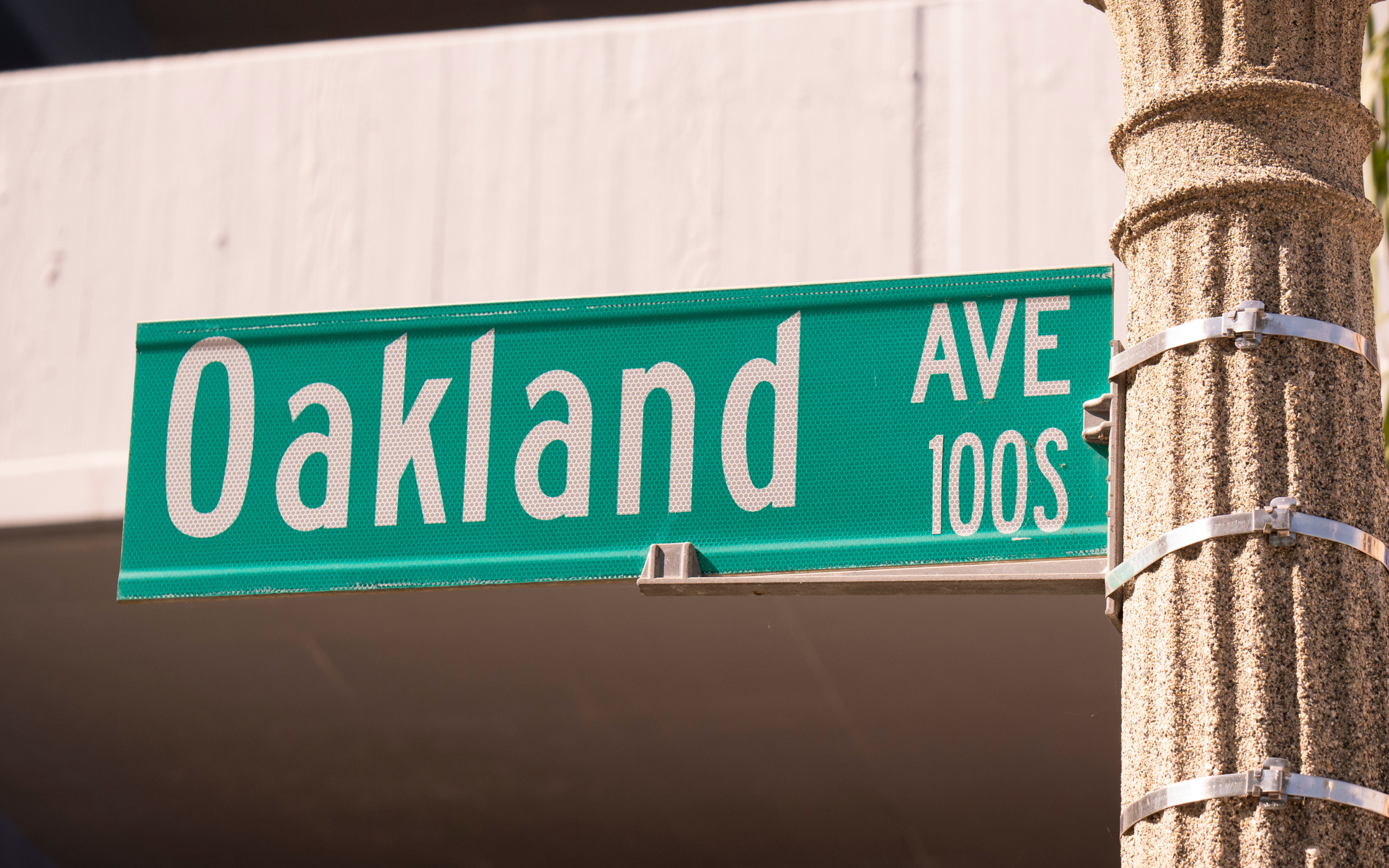
Walking Through History: Black Power Movements in the Bay Area
The Bay Area isn’t just known for its bridges, tech, or sourdough. It's also a powerful site of Black history—especially when it comes to movements that changed the course of civil rights and community empowerment.
If you’re looking for a way to connect with that history in a meaningful, grounded way, start in Oakland. The city was a central force in the rise of the Black Power movement, and many of the people, places, and stories that shaped the era are still here, echoing in museums, murals, and street corners.
The African American Museum and Library at Oakland (AAMLO) is a must-visit. Tucked inside a historic Carnegie building, this space is more than just an archive—it's a living record of Black excellence, resistance, and community organizing in Northern California. Exhibits showcase everything from the roots of the Black Panther Party to local leaders whose names might not appear in national headlines, but whose work transformed neighborhoods and sparked change.
Want to take it further? Walk through West Oakland, where the Panthers established their headquarters and free breakfast programs for children. You can still see murals that honor their legacy, and if you pause, it’s easy to imagine the energy and urgency that once filled these streets.
This kind of sightseeing isn’t about checking off tourist boxes—it’s about remembrance, reflection, and appreciation. It’s also a way to keep these stories alive, not just in museums, but in everyday awareness.
📍 Pro Tip: Call ahead to AAMLO to find out what exhibits or special events are on when you plan to visit. Some collections rotate, and community conversations or talks are often free and open to the public.
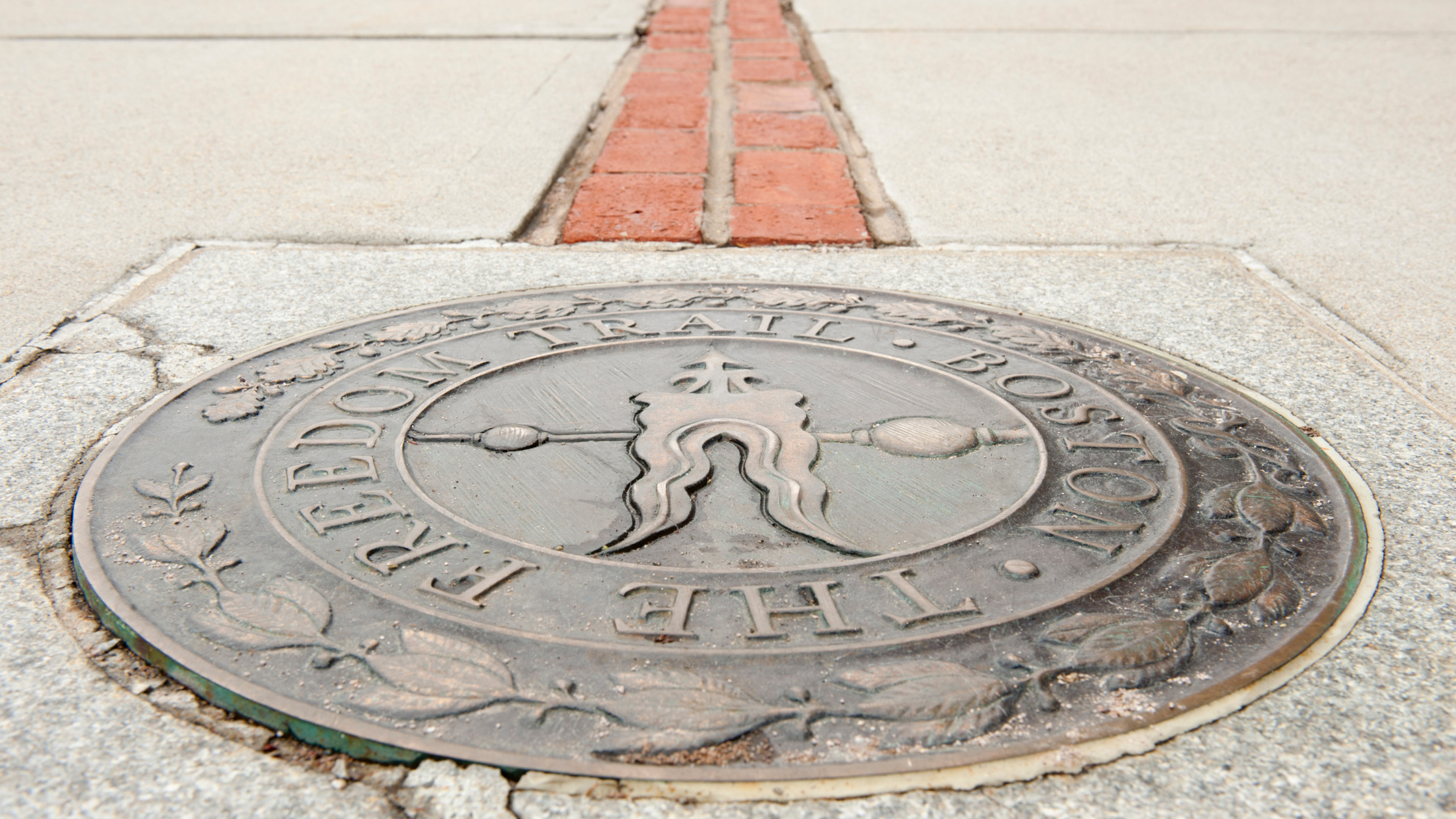
Freedom Trail: Exploring Boston’s Black Heritage
A Walk Through History, Right in the Heart of the City
Boston is full of iconic landmarks, but beyond the cobblestone streets and historic buildings lies a deeper story—a story of resistance, resilience, and community. The Black Heritage Trail® is a powerful way to walk in the footsteps of free Black Bostonians who helped shape the fight for freedom.
More Than Just a Tour
This isn’t your average history walk. Along the 1.5-mile trail through Beacon Hill, you’ll discover homes, schools, and churches that were part of a thriving 19th-century Black community. The Boston African American National Historic Site includes key stops like the African Meeting House and the Abiel Smith School—spaces where education, organizing, and advocacy took root.
Highlights Along the Trail
Here are a few stops to look out for:
- The African Meeting House – The oldest Black church still standing in the U.S.
- Smith Court Residences – Former homes of free Black citizens.
- The Phillips School – One of Boston’s first integrated schools.
- George Middleton House – Home of a Black Revolutionary War veteran and community leader.
You can join a ranger-led tour or follow a self-guided map using the National Park Service app—perfect for taking the trail at your own pace.
Why It Matters
This trail reminds us that Black history is American history. Every building, every street corner tells a story of courage, community, and the ongoing fight for justice. It’s not just about the past—it’s about how those legacies live on today.
Tips for Your Visit
- Start at the Museum of African American History for context.
- Wear comfortable shoes—Boston’s brick sidewalks are charming but uneven.
- Bring a friend or family member and reflect together as you walk.
Take the Time to Reflect
Whether you’re local or visiting for the weekend, the Black Heritage Trail is a powerful reminder of what it means to stand up, speak out, and build something lasting. ✊🏽