Honoring Black Water Conservationists Who are Making Waves
Throughout history, water has been both a pathway to freedom and a space of healing for Black communities. From the Underground Railroad's river crossings to the beaches that became sanctuaries during segregation, our relationship with water runs deep. This Juneteenth, we're highlighting five remarkable Black water conservationists whose work continues to inspire our mission to strengthen Black connections to water, wildlife, and the healing power of nature.
Honoring Black Water Conservationists
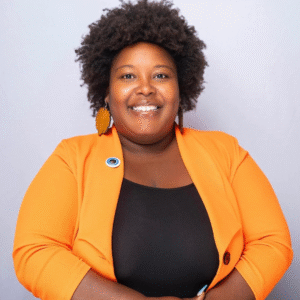
Dr. Tiara Moore
Founder of Black in Marine Science
Dr. Tiara Moore is a marine ecologist and the founder and CEO of Black in Marine Science (BIMS), an organization that supports and raises the visibility of Black people working in marine science worldwide. Previously serving as the BIMS Program Lead at The Nature Conservancy in Washington, Dr. Moore uses her voice and bold leadership to celebrate Black marine scientists, spread environmental awareness, and inspire the next generation.
Through BIMS, she created the annual Black in Marine Science Week that connects researchers, students, and advocates globally. Dr. Moore's leadership shows us how scientific expertise and community organizing can work together to create lasting change in both marine conservation and representation in STEM fields.
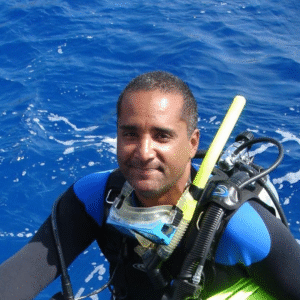
Jean Wiener
Goldman Prize-Winning Marine Conservationist
In a country facing extreme poverty and political instability, Jean Wiener brought communities together to create Haiti's first marine protected areas. He helped local fishermen and families understand how protecting their waters, fisheries, and mangrove forests today would benefit generations to come. He was awarded the Goldman Environmental Prize in 2015 for successfully creating the Three Bays National Park, Haiti's first marine protected area.
As the founder of the Marine Biodiversity Protection Foundation (FoProBiM), Haiti's only nongovernmental environmental organization focusing on coastal and marine areas, Wiener has worked tirelessly to balance conservation with community needs. His approach shows us that effective marine conservation must involve local communities as partners, not obstacles, in protecting precious water resources.
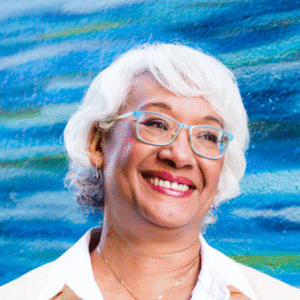
Mina Rhoden
Trailblazing Open Water Marathon Swimmer
Mina Rhoden, an African American open water swimmer from Novato, California, completed her first marathon swim across Lake Tahoe in 10 hours 55 minutes, breaking barriers in a sport where Black athletes have historically been underrepresented. Her achievement demonstrates that excellence in open water knows no boundaries of race or background.
By taking on one of America's most challenging alpine lake crossings, Rhoden's courage to dive into unfamiliar territory continues the long tradition of Black Americans asserting their rightful place in every waterway. Her presence serves as powerful representation, showing that Black folks have always been making waves in America's waters.
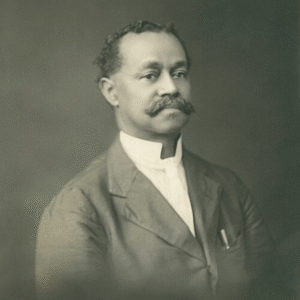
Dr. Charles Henry Turner (1867-1923)
Pioneering Aquatic Researcher
Dr. Charles Henry Turner was a groundbreaking zoologist whose research on aquatic life laid the foundation for modern understanding of marine animal behavior. Despite facing significant racial barriers in academia, Turner published over 70 scientific papers and became the first African American to have his research published in Science magazine.
Turner's work with aquatic insects, fish behavior, and marine ecosystems helped establish crucial knowledge about how water-dwelling creatures navigate, communicate, and survive. His dedication to scientific excellence, despite systemic exclusion, paved the way for future generations of Black marine scientists, and his research continues to inform conservation efforts and our understanding of aquatic biodiversity today.
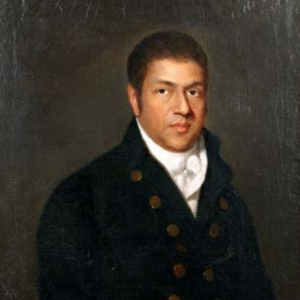
Captain Paul Cuffe (1759-1817)
Maritime Entrepreneur and Conservationist
Born to a formerly enslaved father and Wampanoag mother, Paul Cuffe became one of the most successful Black maritime entrepreneurs of his era. As a ship captain and owner, Cuffe understood the delicate balance between utilizing ocean resources and preserving marine ecosystems for future generations.
Cuffe advocated for sustainable fishing practices and responsible shipping methods, recognizing that the health of waterways was essential for both economic prosperity and community wellbeing. His legacy reminds us that Black leadership in water conservation has deep historical roots.
As we commemorate Juneteenth 2025, we honor both the freedom that came too late and the ongoing work to ensure that freedom includes access to all of nature's healing spaces. The conservationists we celebrate today remind us that Black leadership in water and environmental justice has always been part of our story.
From the pioneering research of Dr. Charles Turner to the contemporary advocacy of Dr. Tiara Moore, Black voices have shaped our understanding of water conservation and aquatic ecosystems. As we continue this legacy, we invite you to join us in the water—in learning, in healing, in connection, and in celebrating the freedom to access all that nature offers.
The outdoors is a place for everyone to connect with water, our shared history, and our community. What does freedom mean to you?

Trailblazing Women: Honoring Black Women Who Paved the Way in the Outdoors
This International Women’s Month, we’re celebrating Black women who have broken barriers, defied expectations, and paved the way for more inclusive outdoor spaces. From conservationists and mountaineers to environmental activists and outdoor educators, these trailblazers have shaped the way we all connect with nature today.
Their stories inspire us to keep pursuing our mission to change the narrative of who can recreate in the outdoors, re-strengthen Black connections to land, water, and wildlife, and ensure that future generations continue to thrive in the great outdoors.
Sophia Danenberg: Breaking Barriers on Everest
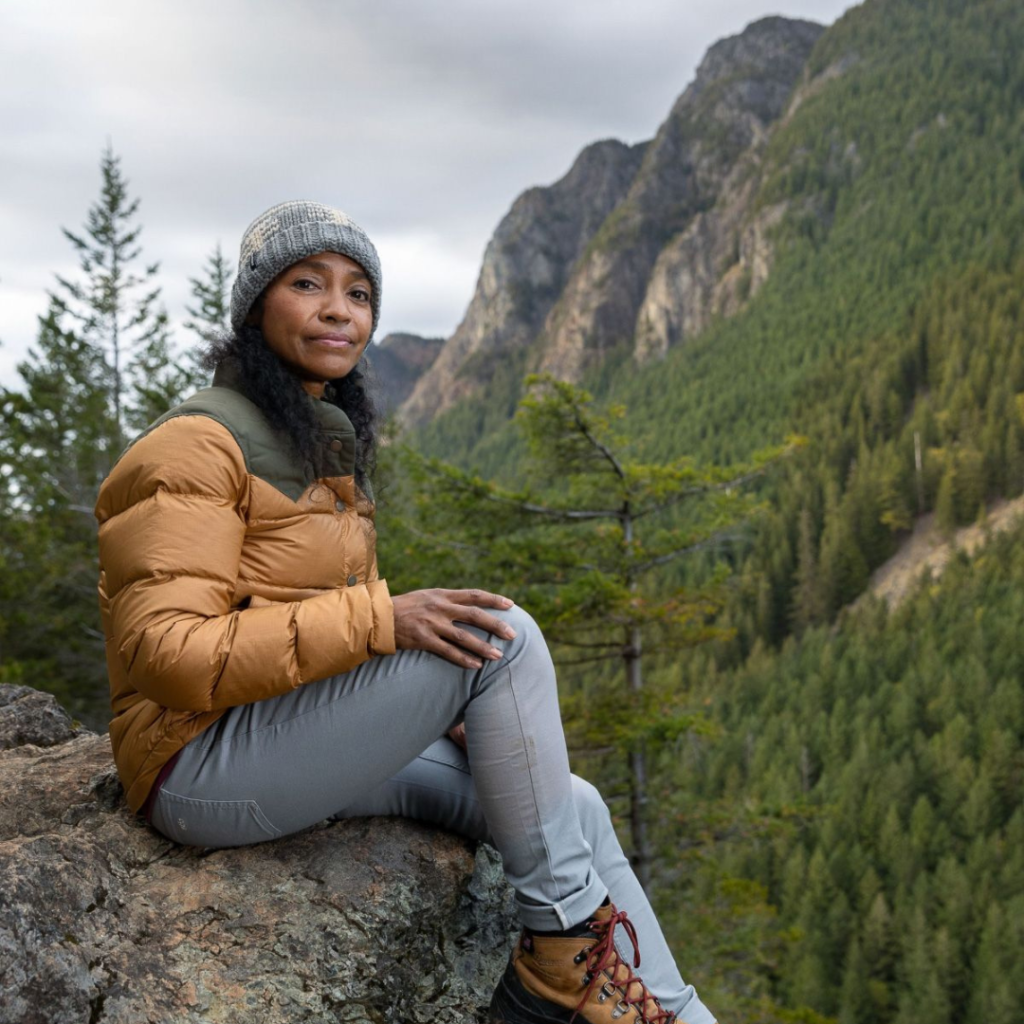
Sophia Danenberg is best known as the first African American and first black woman to climb Mount Everest, the world's tallest mountain.
While she always embraced new experiences and adventures, it wasn’t until 1999 after a friend encouraged her to try rock climbing that Sophia Danenberg became involved in mountaineering. A few short years later in 2002, Danenberg completed her first major climb summiting Mount Rainier.
Between 2002 and 2005, Danenberg continued to scale some of the world's most impressive peaks, including Mt. Kilimanjaro (Tanzania), Mount Denali (Alaska), Mount Tasman (New Zealand), and several others. In 2006, Sophia Danenberg took it to the next level when she summited the 29,000ft climb of Mount Everest, making history as the first Black woman and first African American to summit Mount Everest.
Her achievement shattered stereotypes and opened doors for more Black women in mountaineering. She continues to inspire climbers of all backgrounds to reach new heights.
Audrey Peterman: Champion for Public Lands
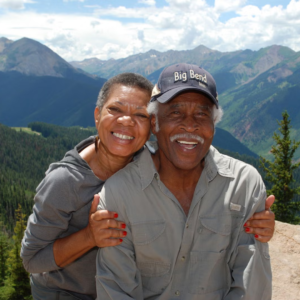
Tirelessly working to ensure that national parks and public green spaces are welcoming and accessible to everyone, Audrey Peterman is one of the leading advocates for diversity in public lands.
Born and raised in Jamaica, she was exposed to lush landscapes and the beauty of the outdoors, developing an early appreciation for the inherent connection between people and nature. When she moved to the United States, she was shocked to see a drastic lack of Black representation in national parks and conservation efforts.
Peterman swiftly set out to change the narrative, becoming a fierce advocate for diversity in public lands. She has spent decades traveling to, advocating for, and promoting national parks, speaking out about the need for inclusion, and pushing for policies that make these spaces more welcoming for all communities.
Audrey Peterman’s work has influenced policies and inspired countless others to engage with and protect natural spaces, ensuring that public lands truly belong to everyone.
Dr. Ayana Elizabeth Johnson: Ocean Advocate and Climate Leader
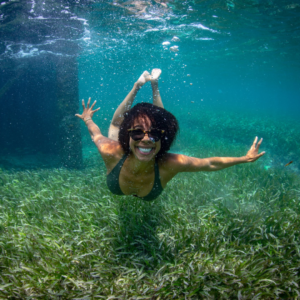
Dr. Ayana Elizabeth Johnson is a biologist, policy expert, writer, and conservation strategist dedicated to protecting our oceans and ensuring environmental justice for coastal communities.
Although Dr. Johnson grew up in Brooklyn, New York, it was her summers spent by the ocean that contributed to her lifelong love for marine life. She later earned a Ph.D. in marine biology, dedicating her career to protecting our oceans.
In 2018, she co-founded the Urban Ocean Lab—an organization that cultivates rigorous, creative, equitable, and practical climate and ocean policy for the future of coastal cities. It’s clear to see that Dr. Johnson is in love with climate solutions
Dr. Ayana Elizabeth Johnson continues to inspire us to take action to protect our planet’s waters and fight for climate solutions that benefit everyone.
Dr. Carolyn Finney: Storyteller and Advocate for Representation
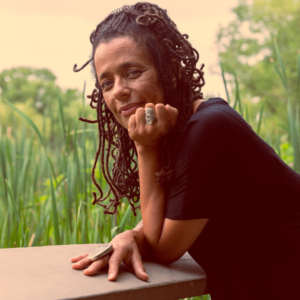
Dr. Carolyn Finney is a storyteller and scholar whose work has challenged mainstream beliefs about race and the environment, and pushed for more diversity in outdoor spaces.
Dr. Finney grew up on a farm in upstate New York, where she developed an early connection to nature. As her passion for nature grew, she noticed that Black narratives were often missing from conversations regarding the environment and outdoor recreation.
Her determination to change this drove her work as a writer, scholar, and cultural geographer studying the intersection between the environment and race. In 2014, she published a book Black Faces, White Spaces, expanding upon her advocacy work and challenging common narratives about who belongs in nature, pushing for greater inclusivity and representation in outdoor spaces.
Dr. Finney’s work continues to reshape the way we think about representation in the outdoors, inspiring deeper conversations about access and belonging.
Celebrating the Women Who Inspire Us
These are just a few of the many Black women who have made lasting contributions to the outdoor world. Their courage, determination, and love for nature continue to inspire new generations to explore, protect, and reclaim outdoor spaces.
This International Women’s Month, we invite you to celebrate the Black women who inspire you. Share their stories, honor their legacy, and join us in making the outdoors a space where everyone belongs.
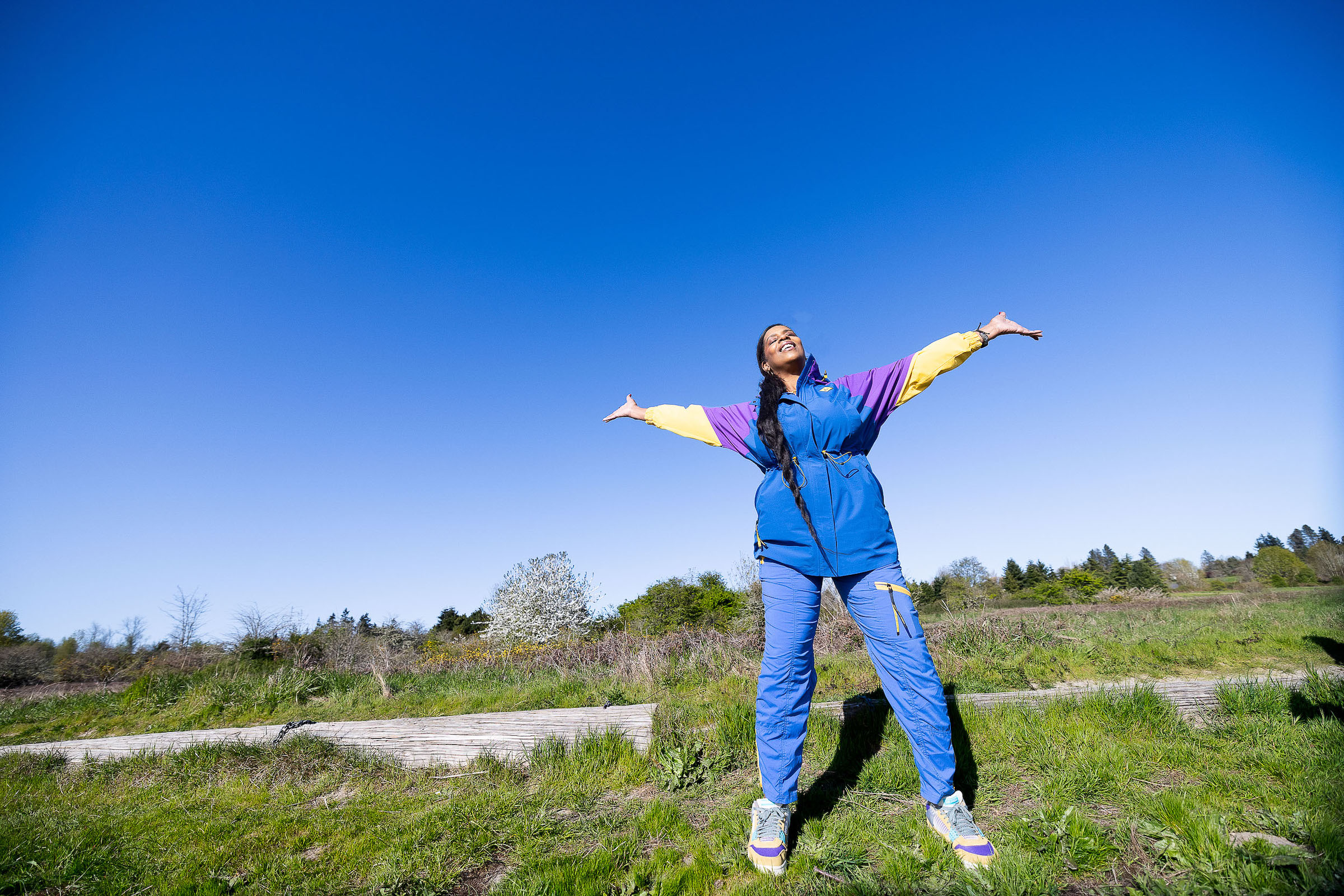
5 facts you probably didn’t know about Outdoor Afro’s founder, CEO, public lands champion
She’s an awarded speaker, leader, and public lands champion. When Rue Mapp speaks, U.S. neighborhoods lean in a little bit closer to listen. Some start note taking. Others are ready to take local action. All in the name of strengthening relationships to outdoor recreation, conservation, and education. Her words of wisdom resonate with communities across the country. So in honor of “Women’s History Month,” we wanted to share more cool tidbits about our fearless founder, CEO, and author of “Nature Swagger.” Mapp has led Outdoor Afro, a national not-for-profit organization that celebrates and inspires Black connections and leadership in nature, for the past 15 years now. An innovative accomplishment in itself. We thought you would really enjoy hearing about these fun facts tied to Outdoor Afro’s mission work – and discover the foundation to her continuous ability to change the narrative in nature through a Black joy and leadership lens.
SHE GREW UP IN AN AGRICULTURAL FAMILY.
Southern-nurtured, California-raised, Mapp cultivated early bonds with nature from both rural and coastal viewpoints as a kid. Her family migrated west from the Jim Crow South in search of greater economic opportunities in America. Her dad: a true outdoorsman from East Texas. Her mom: a consummate Southern belle and homesteader from Louisiana. The two would have made the quintessential couple in those wild west Spaghetti Western days. Her family settled in the Oakland Hills, giving Mapp (a first-generation Californian) instant admission into the world of coastal redwoods. She spent her weekends at the 14-acre family farm her father bought and transformed into the ultimate outdoor getaway. Fruit trees, a bountiful garden, a tennis court, swimming pool, fishing holes, and hunting trips were everyday childhood adventures. The family also raised cattle and pigs for provisions. “Everything the family wanted to do in nature was available on that ranch,” says Mapp. “Everyone could visit and spend time there. It became my template for Outdoor Afro, and what welcoming and hospitality meant.” Her family’s land became an open invitation for multigenerational joy, togetherness, creativity, rest, healing, discovery and wonder.
SHE IS A OUTDOOR GEAR DESIGNER.
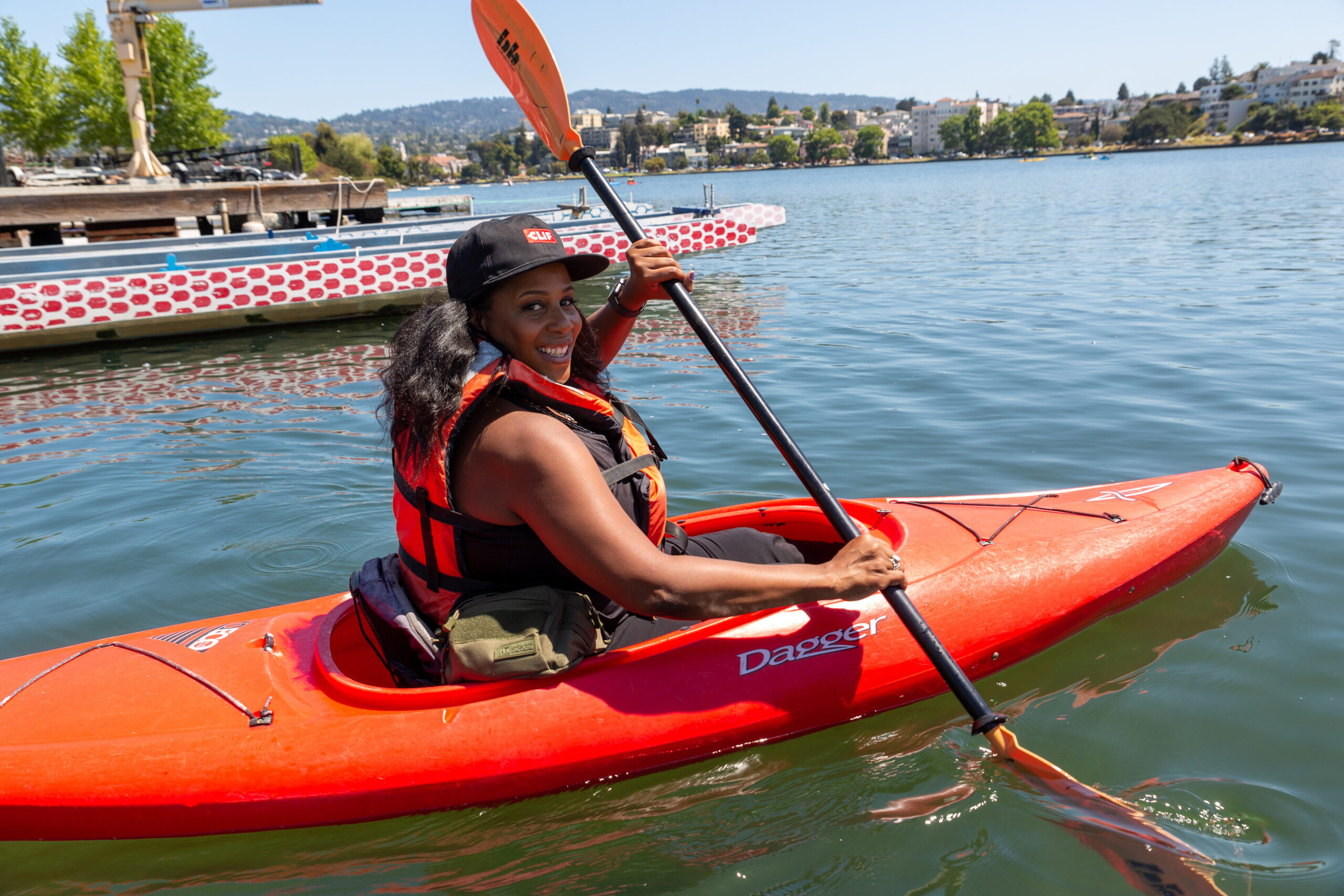
On the family farm is where Mapp learned from the elders traditional techniques to fishing, cooking, and even designing her own doll clothes. Her mother was a seamstress, who taught Mapp the basics to sewing. Mapp’s first shot as a fashion designer happened in the ’90s. She owned San Francisco-based bridal shop Rulette Wear. While making bridal dresses, she started designing outdoor gear for her snowboarding friends. In 2021, she returned to her fashion drawing board. This time with more knowledge about the differences apparel can make for the Black outdoor community. That same year, she founded for-profit enterprise Outdoor Afro, Inc., and launched a hike collection in collaboration with outdoor retailer REI Co-op to bring more universal styles to outdoor spaces. The initial 22-piece collection included fleece pullovers, polo shirts, graphic T-shirts, trail pants, hiking leggings, and hiking boots to solve for fit, function, fashion, and accessibility. A mashup of iconic ’80s and ’90s silhouettes with modern accents, the collection considers the range of body shapes and explores a broader range of fit modeling, bold colors, and materials that work with textured hairstyles.
SHE HAS EARNED A LOT OF NOTABLE NATURE RECOGNITIONS.
For more than a decade, Mapp has been recognized with mounds of distinctions and awards. She won the international Bessie Awards in the JourneyWoman category by global lifestyle and travel brand Wanderful during 2023. Two years prior, AFAR titled her as its 2021 Travel Vanguard Award recipient. Two years after that, she received the 2019 National Geographic Fellow, Heinz Awards Honoree in the environment category, and National Wildlife Federation Communication Award recipient (received alongside President Bill Clinton). During 2018, University of California, Berkeley, honored Mapp with the Mark Bingham Award for Excellence in Achievement by Young Alumni. Go back two more years, and The Roots selected her as “one of the 100 most influential African Americans in the country” for the second time. Her first time making this particular list happened in 2012. That same year, Hidden Villa honored her with its Josephine and Frank Duveneck Humanitarian Award. Outdoor Retailer — North America’s largest outdoor industry trade show – awarded Mapp its 2013 Inspiration Award in the business category. One of her earliest acknowledgements came from the National Wildlife Federation, which named her Wildlife Champion in 2011.
SHE SERVES AS A MENTOR TO MOST.
Mapp is a mother, newly minted grandmother, and everyone’s favorite auntie. The visionary founded Outdoor Afro in 2009 when she was also raising three children. She made sure each participated alongside her in network events as she grew her brand. Mapp shared with digital media brand Fatherly in 2022 exactly “What the World’s Greatest Adventurers Teach Their Kids," which she still applies today with extensions of her family tree. She continues to introduce the possibilities in outdoor fun with friends and family. Emphasizing hospitality and belonging with every experience. Teaching the importance of taking ownership in local land, water, and wildlife. “My children also learned early that everyone has to work together to produce high-quality experiences in nature,” she told Fatherly. Through Outdoor Afro, she has paved the way for the organization’s selected and trained volunteer leaders to guide their neighborhoods in nature safely and sustainably. Mapp also has opened community and digital doors for volunteers – and thousands of nature lovers and new adventurers – to develop wilderness, recreation, and life-saving skills; access safe, appropriate gear and equipment; free or discounted access to private outdoor spaces; and acquire historical and civics information to take better care of the public and community spaces we all love.
SHE ONCE WORKED IN FINE DINING.
A phenomenal cook, Mapp can whip up sweet-to-savory dishes by the campfire or in the kitchen. That finger-licking-good food. Interestingly, she spent two years in fine dining when she worked as a food server at Zuni Café in San Francisco, California, during her early 20s. Judy Rodgers, who owned Zuni Café at the time, was the protégé of Alice Waters – the owner of Chez Panisse and a MICHELIN-starred restaurant located in Berkeley, California. “Alice Waters is considered the mother of California cuisine,” said Mapp. “I found the work fascinating. Zuni Café had a menu that changed every day, twice a day. Working there helped me appreciate much of the food (soul food).” Primarily because that style reappeared on the restaurant menu and in mainstream American cuisine as part of the farm-to-table movement. Mapp still dines at Zuni Café to this day. One of the key pointers she learned from that job: the art of improvisation and flexibility with ingredients. On top of the value of using the freshest ingredients, including whole, minimally processed foods. At home, Mapp enjoys making gumbo and tomato sauce from scratch. When Mapp is cooking outdoors, she loves to prepare a large home-style breakfast – a pot of grits, bacon, eggs – over a stove or morning campfire. “It’s comforting to help folks wake up to the smells of a delicious breakfast,” she said. “The experience never disappoints.” Bonus tidbit: Mapp won a ribbon at the Alameda County Fair for her cornbread recipe. More about that morsel of delicious information another time.
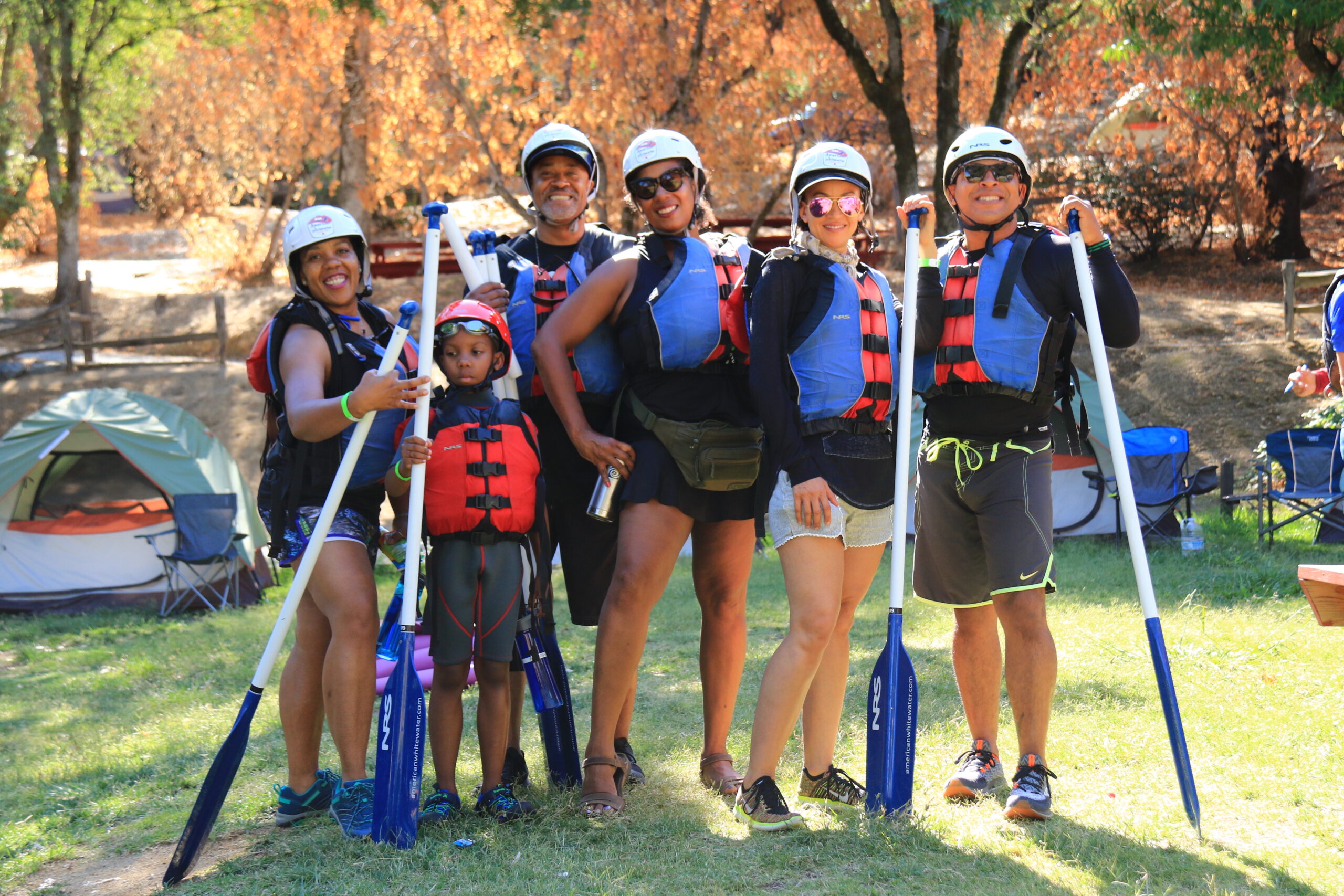
ABOUT OUTDOOR AFRO: Outdoor Afro is a national not-for-profit organization that celebrates and inspires Black connections and leadership in nature. What started as a kitchen table blog by Founder and CEO Rue Mapp in 2009 has since grown into a cutting-edge nationwide organization. Outdoor Afro’s U.S. networks include nearly 100-plus volunteer leaders who guide nature activities in up to 60 cities with network participation reaching 60,000 people annually. Outdoor Afro reconnects Black people to the outdoors through outdoor education, recreation, and conservation. Connect with @outdoorafro on social and visit outdoorafro.org to follow our year-round nature narratives.
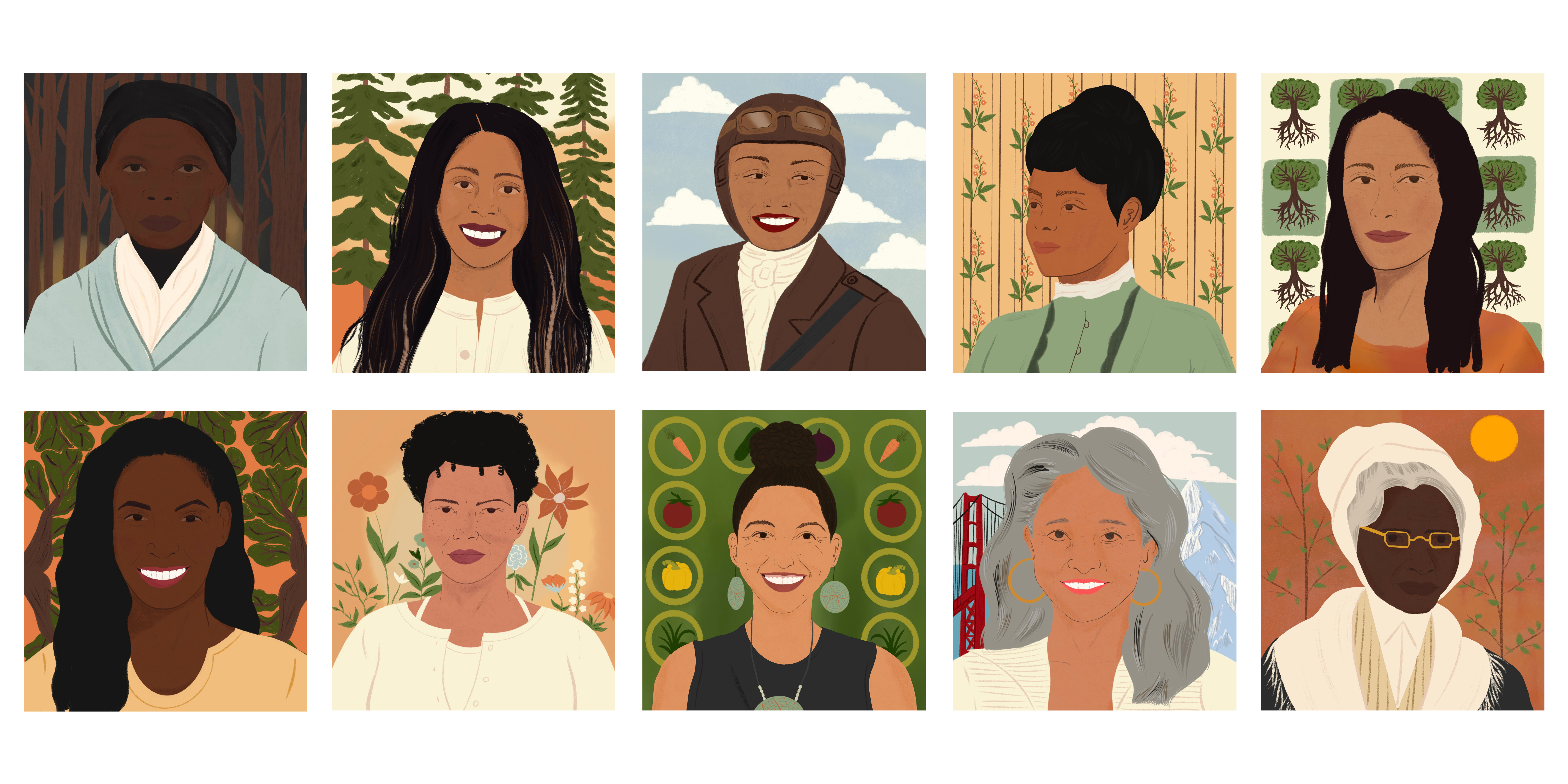
10 Black outdoorswomen who nourish our ‘Nature Swagger’
Some are the “first” in their outdoor odysseys. All are fearless in their historical nature experiences. For Women’s History Month 2023, Outdoor Afro wanted to acknowledge a few female inspirations and contributors of new book “Nature Swagger” by Rue Mapp in collaboration with American publisher Chronicle Books. As founder and CEO of Outdoor Afro, Mapp has transformed her kitchen table blog into a now national not-for-profit organization that celebrates and inspires Black connections and leadership in nature. Since this year’s monthlong theme is “Celebrating Women Who Tell Our Stories,” Mapp’s newest coffee table read sets a natural scene to appreciate those wilderness women who have – and still are – strengthening relationships to land, wildlife, and waterways.
“Nature Swagger” published November 2022 and documents original stories, photographs, and spotlights from Outdoor Afro volunteer leaders, related organizations, and prominent Black outdoor influencers Mapp has collaborated with personally and professionally throughout her outdoor industry adventures. “It was important to tell the story of the people and their special places that not only informed my own connection to nature,” said Mapp, “but of the many people I have had the pleasure of getting to know over the past decade.” The book elevates the fact that being Black isn’t a singular experience. Instead, reflective of region, age, personal history, and more, said Mapp. “‘Nature Swagger’ includes stories of individuals who anyone can relate to or who might remind us of family and friends. I want readers to be inspired and see nature from many perspectives, thinking broadly of what connections to the outdoors can look like for anyone.”
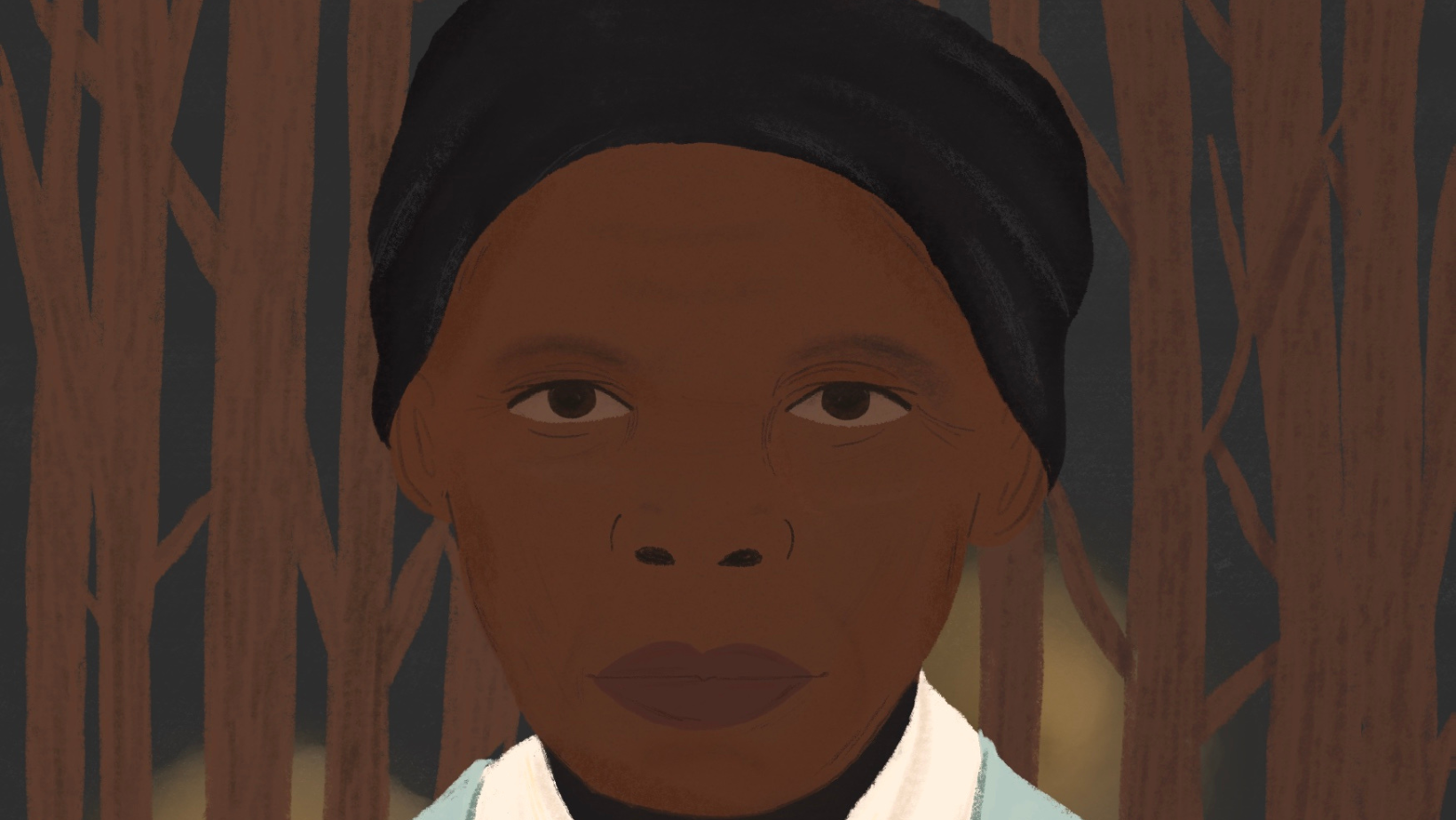
HARRIET TUBMAN: Tying into Outdoor Afro’s Black History Month 2023 coverage about the Underground Railroad, Tubman became one of the most revered conductors of the well-structured network. The nature navigator guided freedom efforts for hundreds of enslaved men and women in the American South. Yet, her reliance on the outdoors goes deeper than ushering others through dangerous forests. Tubman became a student of those around her – as a former enslaved woman herself. She listened intently to the local maritime workers to gain knowledge about constellations and how these sources could silently map routes to “stations” or safe houses. She was also a naturalist. Her keen desire to seek freedom was her driving force to understand the medicinal properties that various plant species held. She healed wounded Black soldiers – often in the middle of the night – as they fought their way to the other side of enslavement. Today, we honor Tubman not just for her work in helping forge the path to freedom for the ancestors but her interconnectedness outlook to the benefits of nature.
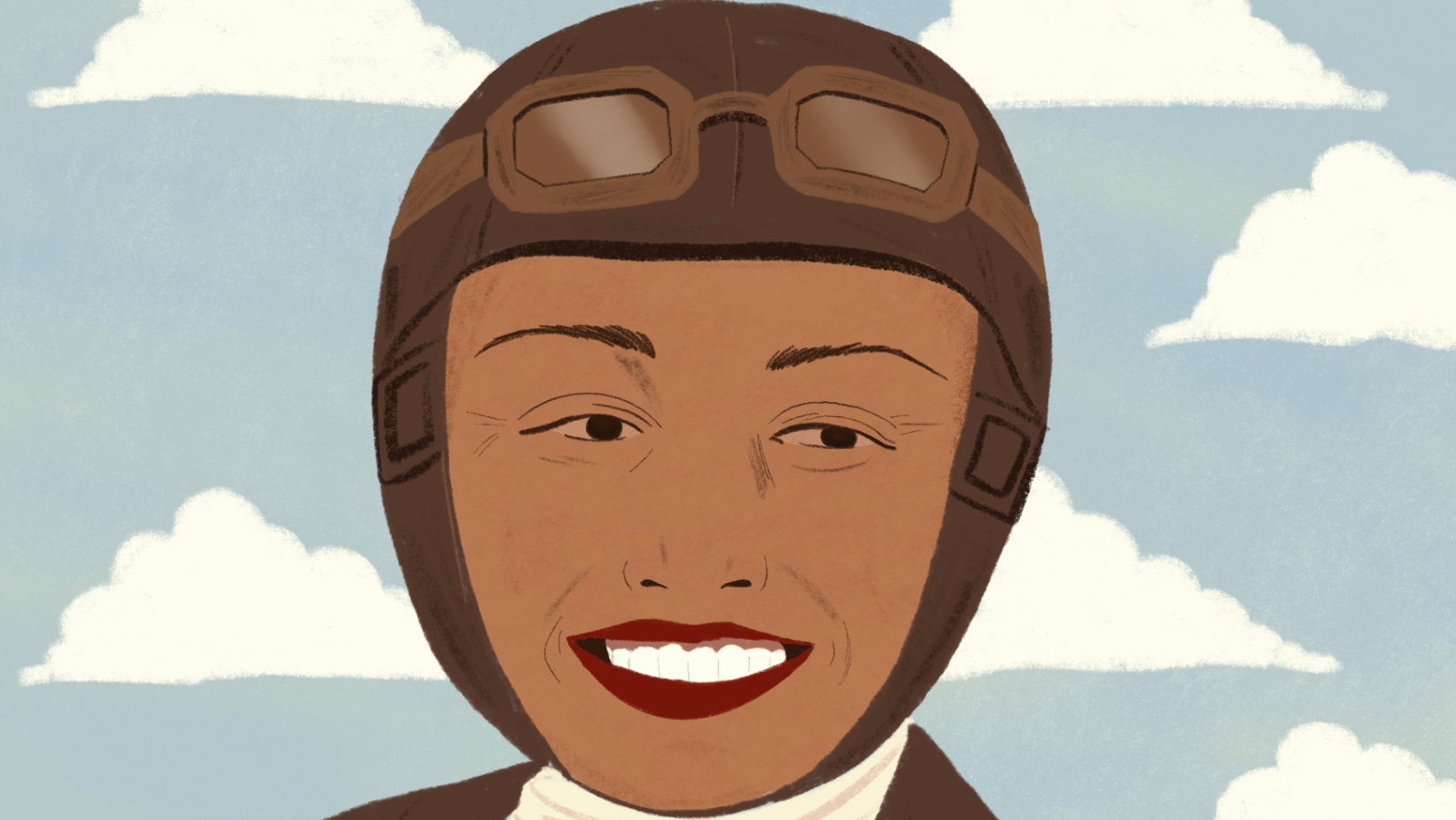
BESSIE COLEMAN: This aviation pioneer soared into history books as the first Black woman to earn a pilot’s license in 1921 – and the first Black woman to fly publicly in 1922. Interestingly in the early 20th century, most aircraft featured an open-air design, which provided instant access to the elements. Bessie Coleman once said, “The air is the only place free from prejudices.” Coleman’s history-making journey was far from easy. The Texan-born and Langston University-educated aviatrix was determined to fly despite the naysayers. When no U.S. flight instructor wanted to teach her, Coleman put herself through language school to first learn French then travel to France. It was there that she earned a pilot’s license. Her contributions to aviation landed her into the National Aviation Hall of Fame in 2006. To start 2023, Mattel honored her with a commemorative doll through its Barbie Inspiring Women Series. Mapp just became a 2023 Bessie Awards finalist as part of global lifestyle brand Wanderful’s annual summit recognizing women impacting the travel industry.
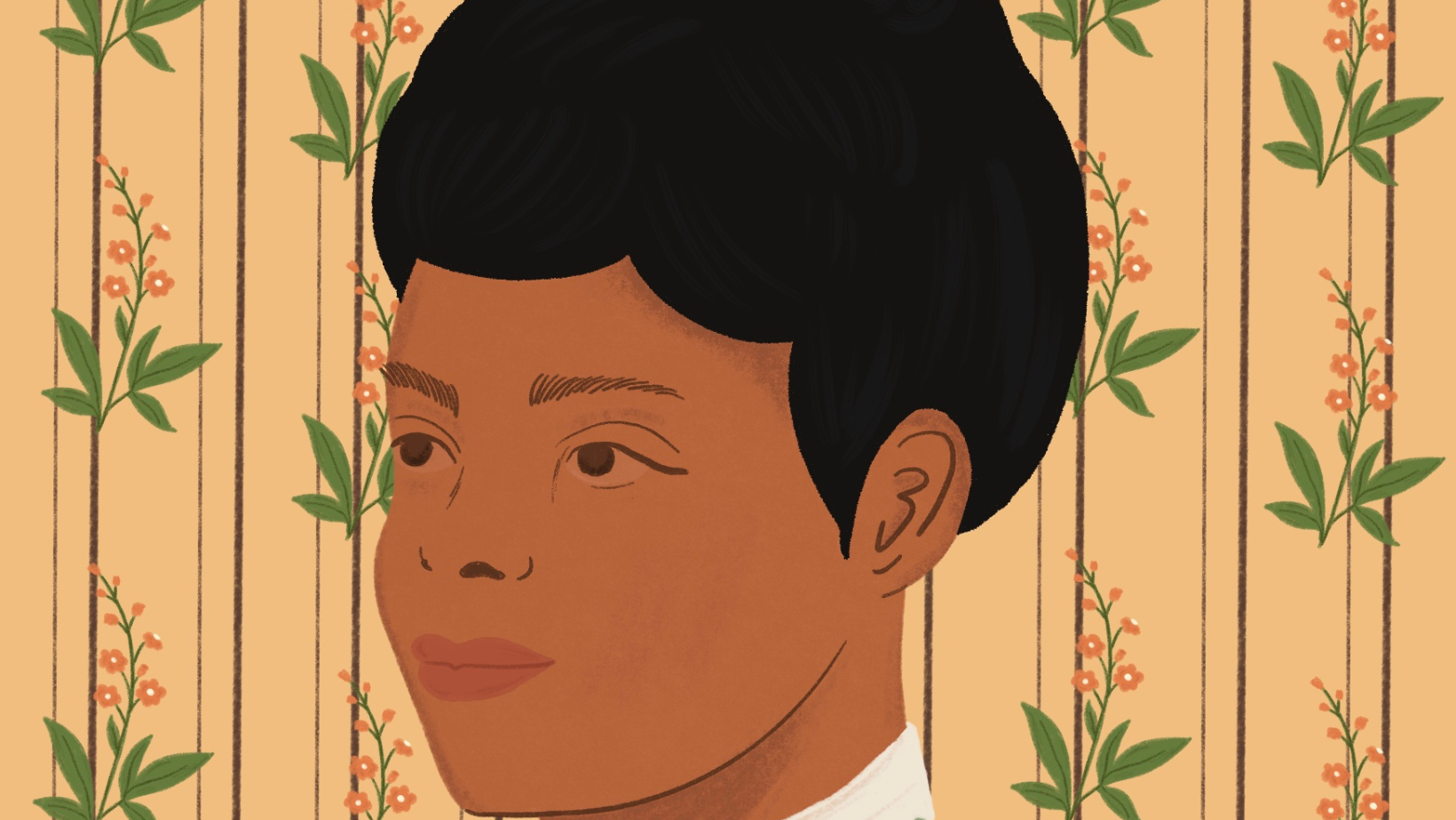
IDA B. WELLS: After losing both parents to yellow fever at age 16, Ida B. Wells’ tenacious spirit safeguarded her and her surviving siblings to live decent lives. From working as a school teacher to becoming a newspaper owner, she always centered Black communities. Credited as one of the main activists and voices during the Women’s Suffrage Movement, Wells made it her business to ensure women were treated fairly. Especially Black women. It even led to her forming Chicago’s Alpha Suffrage Club in 1913. The organization was the main catalyst to pass the Illinois Anti-Suffrage Act. The skilled journalist and researcher fearlessly covered the American South and its lynching culture of Black people. She became a Pulitzer Prize winner 158 years after her death, earning the highest national honor in print journalism "for her outstanding and courageous reporting on the horrific and vicious violence against African Americans during the era of lynching."
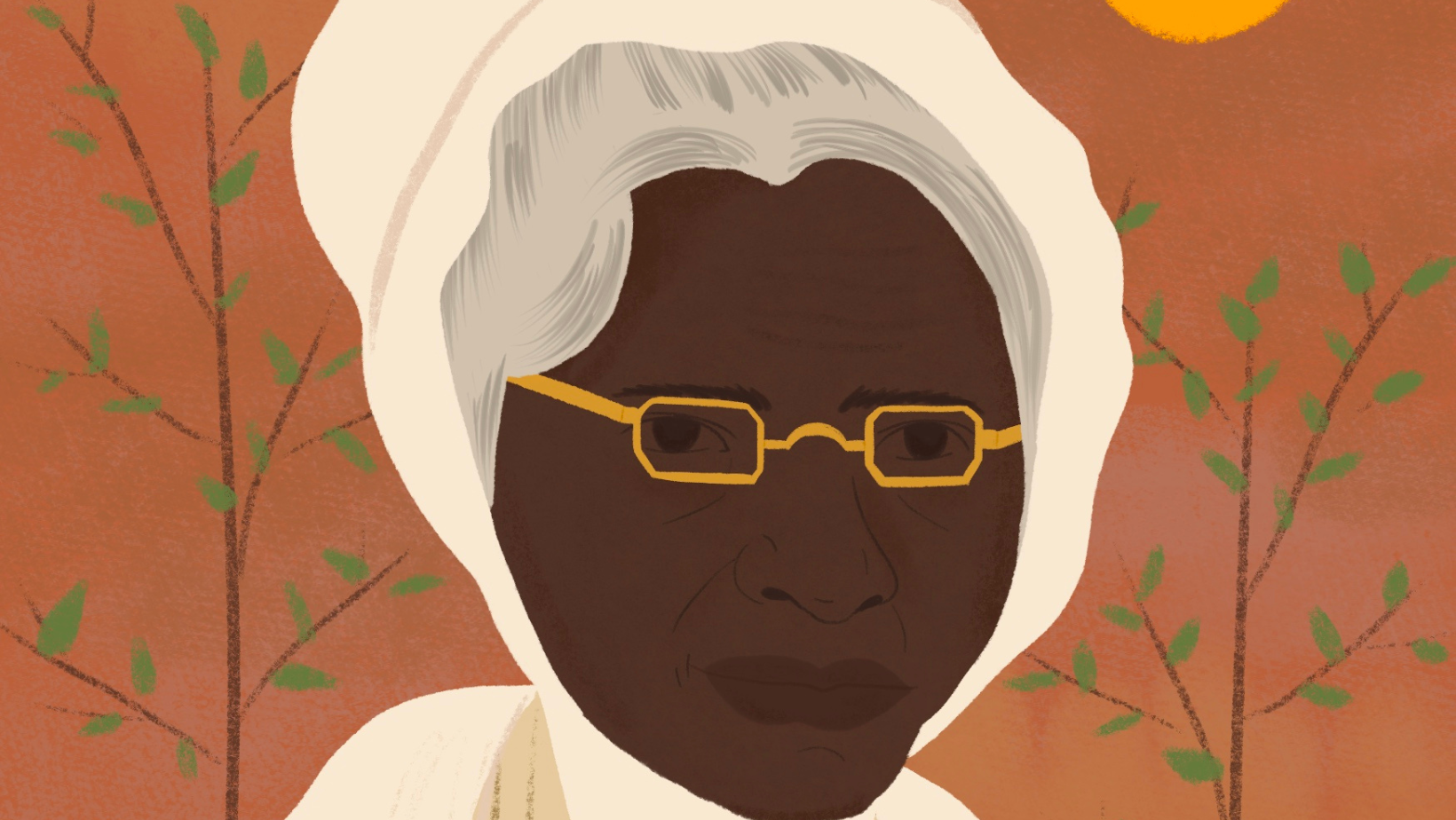
SOJOURNER TRUTH: Born Isabella Baumfree, Sojourner Truth was known to many as someone who captured the horrors of enslavement through her profound speech. Her real talent and claim to fame: photography. Her photographs – called carte de visite at the time – depicted everything from her storied life to mid-1800 political leaders and figures. Her photos gained popularity almost instantly. She used the art form to support herself, but the small images also became instrumental in helping to end slavery. Her photos were published in newspapers nationwide to help spread word of slavery’s grisly scenes. Truth’s work sparked deeper conversations and movements around the times. It seemed as though she invented a type of currency that financed her activism. She once said about her cause work, “I sell the shadow to support the substance.” More recently, her name has come into discussions around headshot placement onto one of the U.S. dollar bills. However, that American topic remains a stalemate.
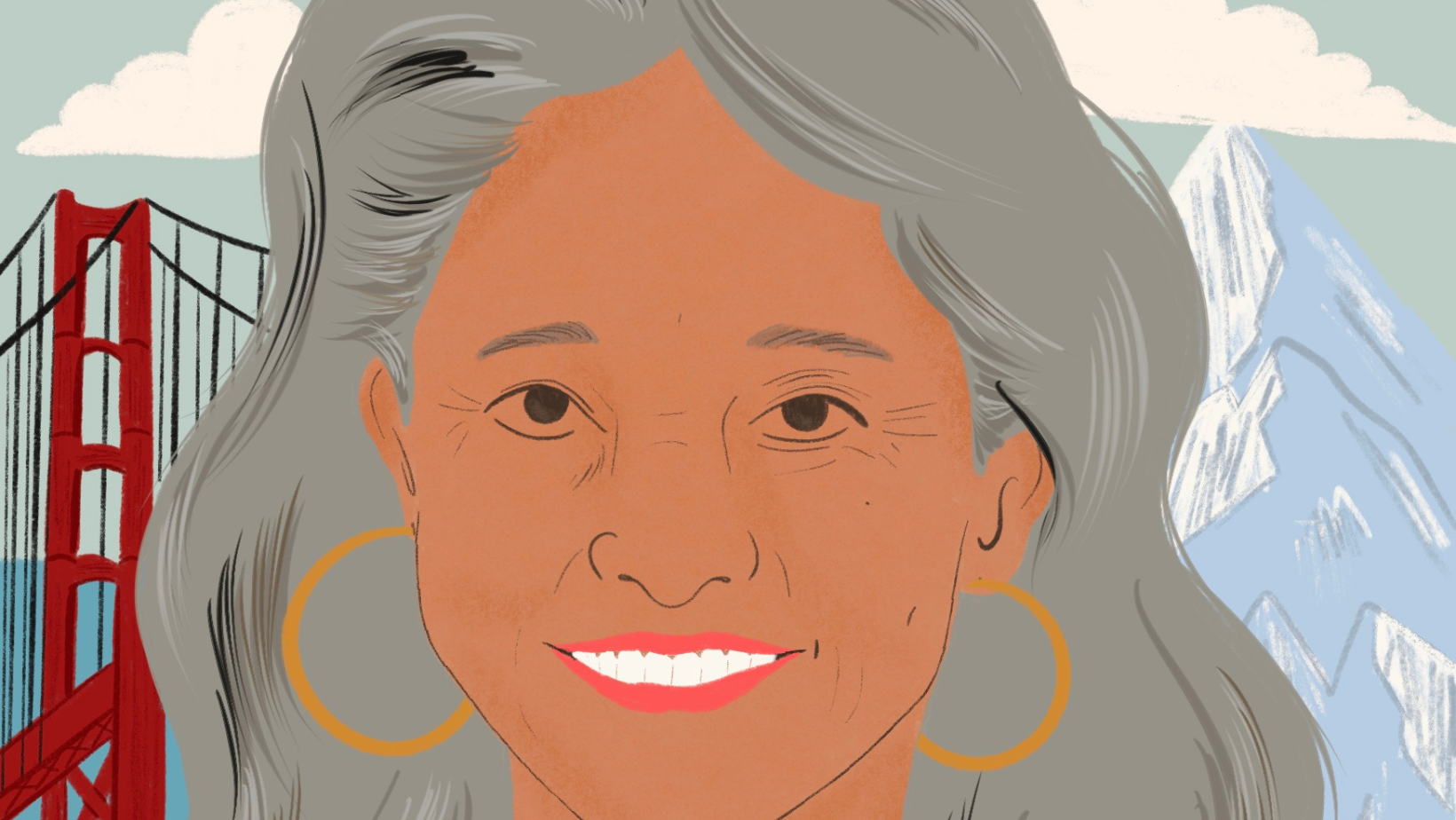
 RUE MAPP: An awarded leader, a public lands champion, and a motivational speaker, Rue Mapp started Outdoor Afro as a kitchen table blog and social enterprise in 2009. She incorporated it as a 501(c)(3) organization in 2015. Today, Outdoor Afro includes more than 100 volunteer leaders across the United States who guide a participation network of more than 60,000 people in nature. The modern-day outdoorswoman from Oakland, California, originated Outdoor Afro to celebrate and inspire Black connections and leadership in nature. During the past 14 years, the not-for-profit outfit has changed public perceptions of Black people and Black communities only having pain-and-peril narratives. Instead, Outdoor Afro centers the culture’s Black joy in nature moments. “Nature Swagger” is a continuation of Mapp’s community work in the outdoors by highlighting various storytelling forms and age groups. Along with publishing “Nature Swagger” in 2022, she co-created a hike collection with REI Co-op through her for-profit enterprise Outdoor Afro, Inc. to help solve unmet needs in outdoor apparel. She has earned international attention from media like Oprah Winfrey, The New York Times, Good Morning America, Forbes, and Netflix’s popular series MeatEater with Steven Rinella.
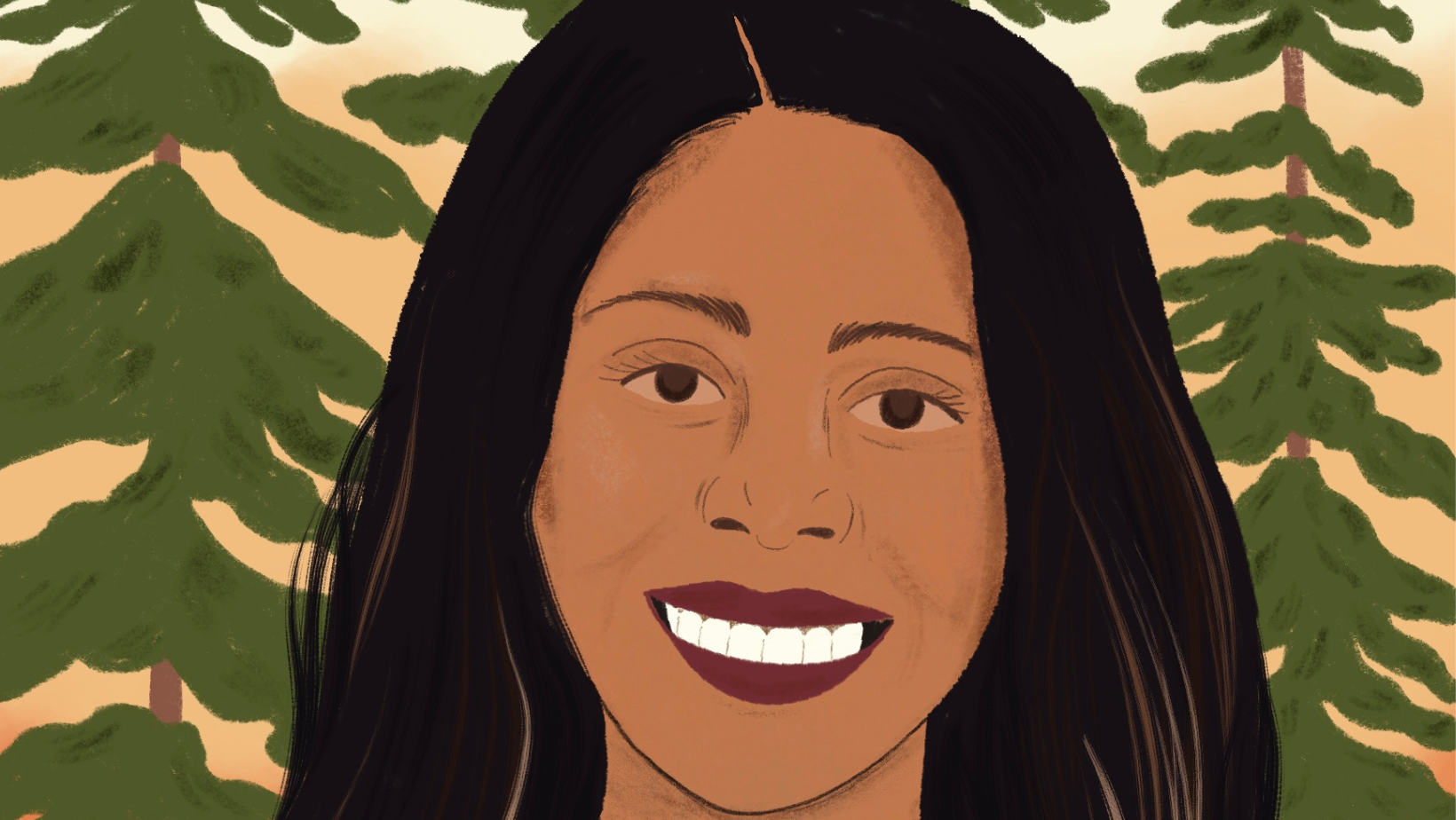
DR. CAROLYN FINNEY: She initially pursued acting as a career choice but was transformed by a five-year backpacking journey through Africa and Asia before she planted new roots in Nepal for a few years. The experience changed Dr. Carolyn Finney’s life so much that she went back to school to earn both bachelor’s and master’s degrees in gender and environmental issues in Kenya and Nepal. A few years later, the now author, storytell, and cultural geographer earned a doctorate to address the inequalities and lack of diversity within environmental organizations and institutions. She often explores why Black people and Black communities are underrepresented in nature, environmental, and outdoor recreation discourse. Her 2014 book “Black Faces, White Spaces” examines this subject. She uses her artistic voice and presence to illustrate these courageous conversations with global audiences.
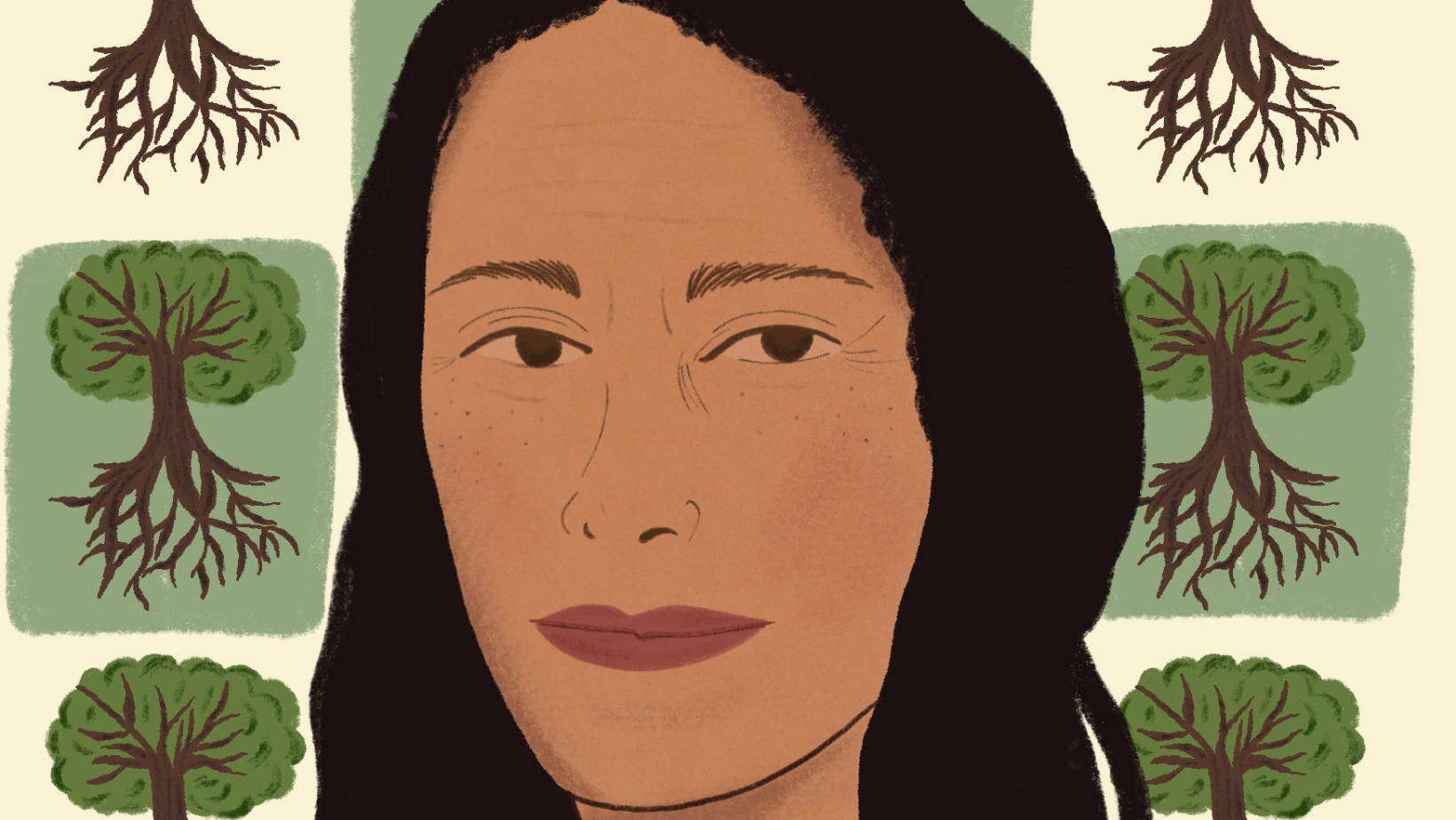
 ANGELOU EZEILO: With good grace, she’s considered an industry disrupter who has spent the past 13 years forging partnerships and creating powerful programming to diversify outdoor-focused organizations and companies. Angelou Ezeilo boldly speaks her truth to break barriers that prevent Black people, Black communities, and Black experiences from inclusion into nature and outdoor industry storylines. Working a lot with young people, she has dedicated her talents to connecting them to conservation-related careers and opportunities. What she started as simply conservation lessons in Gwinnett County, Georgia, elementary schools has now grown into the Greening Youth Foundation. Founded in 2007, the foundation bridges the gap between underrepresented youth and young adults, creating space for newer generations to thrive in state and federal land management sectors.
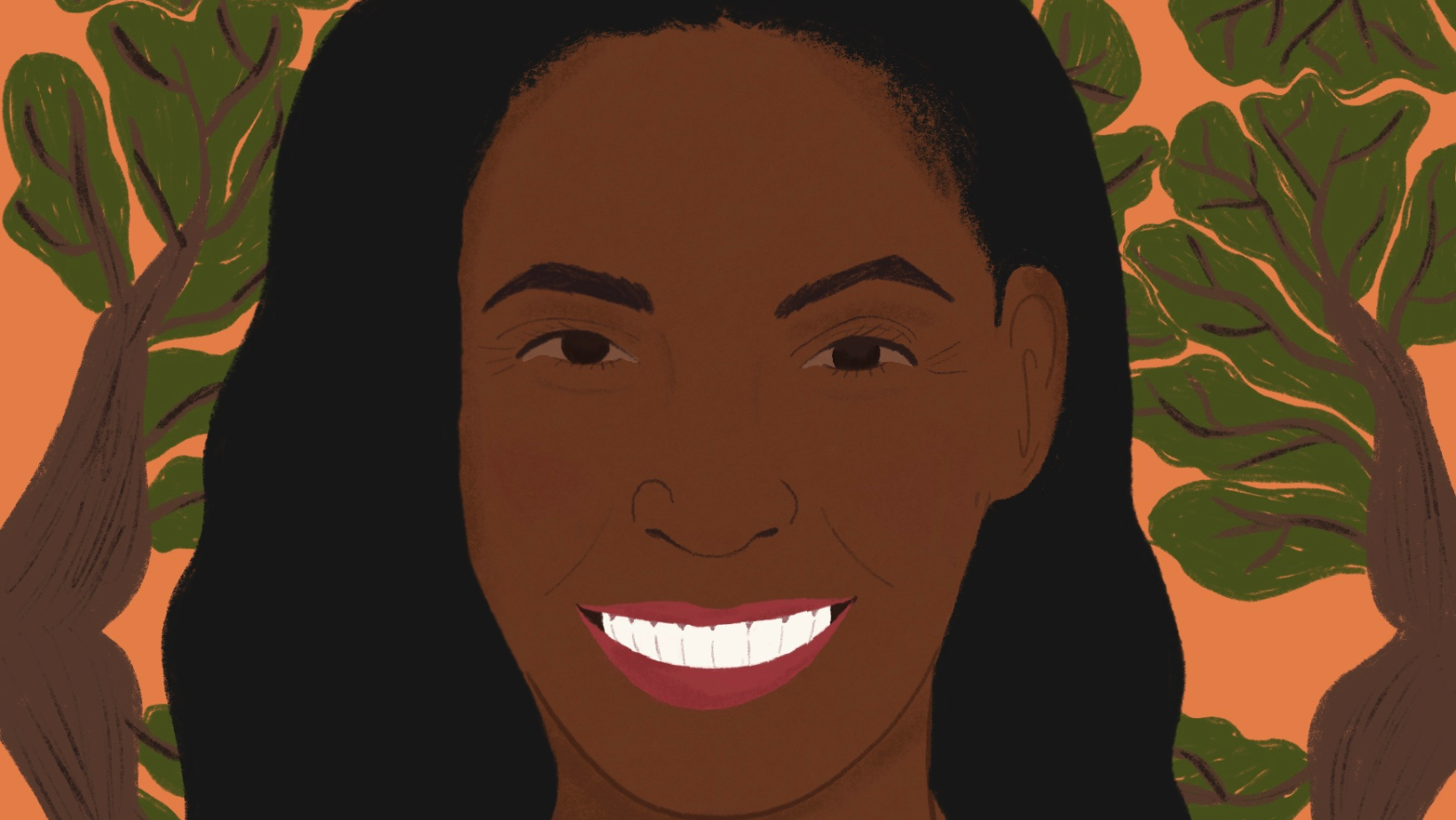
AKIIMA PRICE: The creative thinker links change-making people, places, and programs with underserved communities. A Washington, D.C., native, Akiima Price is a nationally respected influencer who works at the intersection of social and environmental issues and the relationship between nature and community well-being. She co-founded the Friends of Anacostia Park, an urban national park in D.C. The innovative model focuses on park restoration, nature-based human development, and workforce development in highly stressed communities surrounding the park. Previously serving as an interpretation ranger for the National Park Service at Lake Mead Recreation Area in Colorado, she has cultivated 30 years of experience in cutting-edge best practices around trauma-informed environmentalism. “As a child,” she said, “we moved from an apartment to a suburban townhouse where people were trying to move up and out of public housing. There was a dirt field behind our house, and we played in that dirt field and a sewer tunnel. We saw foam but didn’t know it was waste. We played and caught butterflies.” Today, that landfill is gone. Akiima uses that experience as a reminder and reconnection tool to strengthen community relationships to local parks.
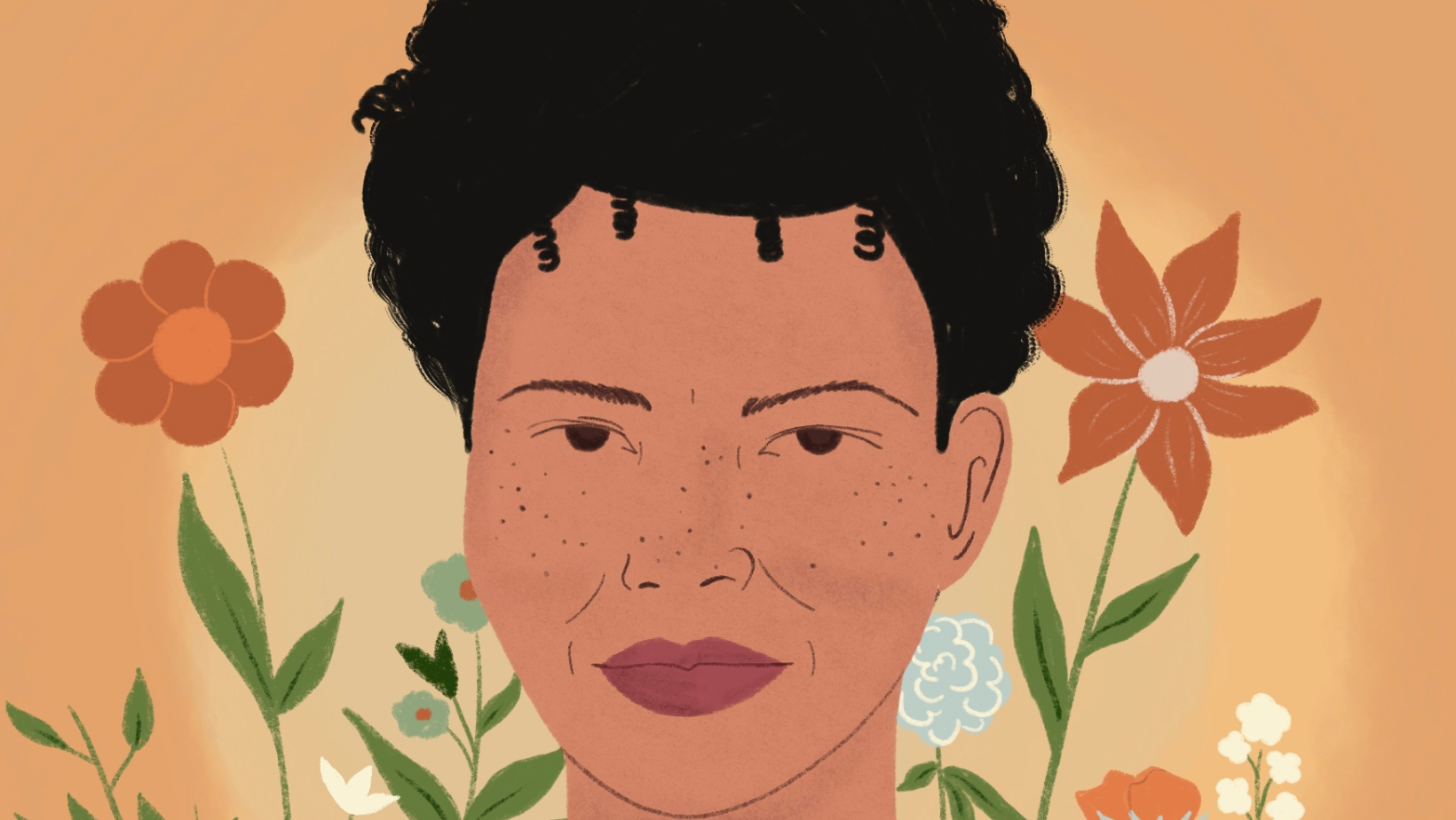
LEAH PENNIMAN: A 2019 James Beard Foundation Leadership Award recipient, Leah Penniman is one of many innovative leaders of the Black farming movement. Although Black agricultural practices are centuries old, the obstacles and racism that Black farmers still face are oftentimes overwhelming to juggle in a now digital economy. Penniman co-founded Soul Fire Farm in New York, which operates in the food justice space within America’s food system. With the goal of reconnecting Black people and Black communities to ancestral lands, Pinniman helps develop programs that train Black farmer cohorts – both domestic and international – on the importance of food equity. Penniman’s work has reached Ghana, Haiti, and Mexico. She has gained support through the Fulbright Program’s Soros Racial Justice Fellowship and even became a recipient of the Pritzker Environmental Genius Award. She penned powerful books on the topic of Black farming, including the 2018 release of “Farming While Black: Soul Fire Farm’s Practical Guide to Liberation on the Land.”
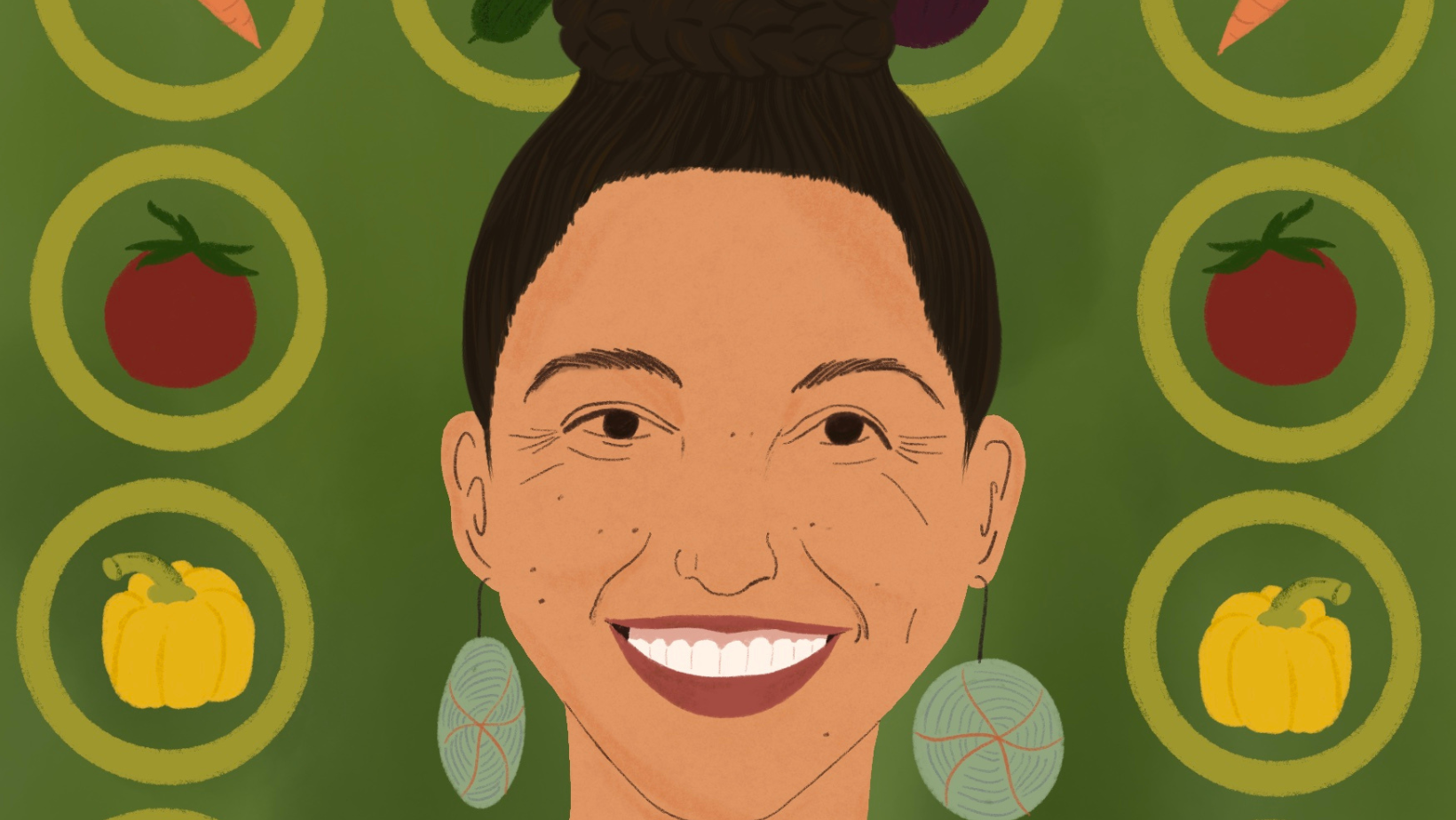
ELAINE LEE: One of the original definitions of a travel influencer, Elaine Lee is a globetrotter, travel writer, and media maven. For decades, her storytelling experiences have taken readers inside destination diaries and colorful articles about Black travel trends, women’s travel issues, solo travel, budget travel, travel planning, and health. In 1997, Lee published classic trek keepsake, “Go Girl: The Black Woman’s Book of Travel and Adventure.” Her book became a recommended read by Essence, Black Enterprise, and Upscale magazines. She has been featured on popular national and local radio and TV shows, including the Travel Channel. Lee also developed the Bay Area’s first travel radio show with travel writing colleague Pamela Michaels in 1999. Her worldwide trips have totaled 61 countries, traveling solo in 1992 and 2004. The “wander” woman continues to fly. More outdoor titles this bibliophile holds: sailor, cyclist, skier, and long-distance swimmer. In these new media times, she shares her travel writing and provides international travel advice through online forum Ugogurl.com.
*Illustrations by Dajah Callen