Outdoor Afro x Black People Will Swim enter ‘World’s Largest Swimming Lesson’
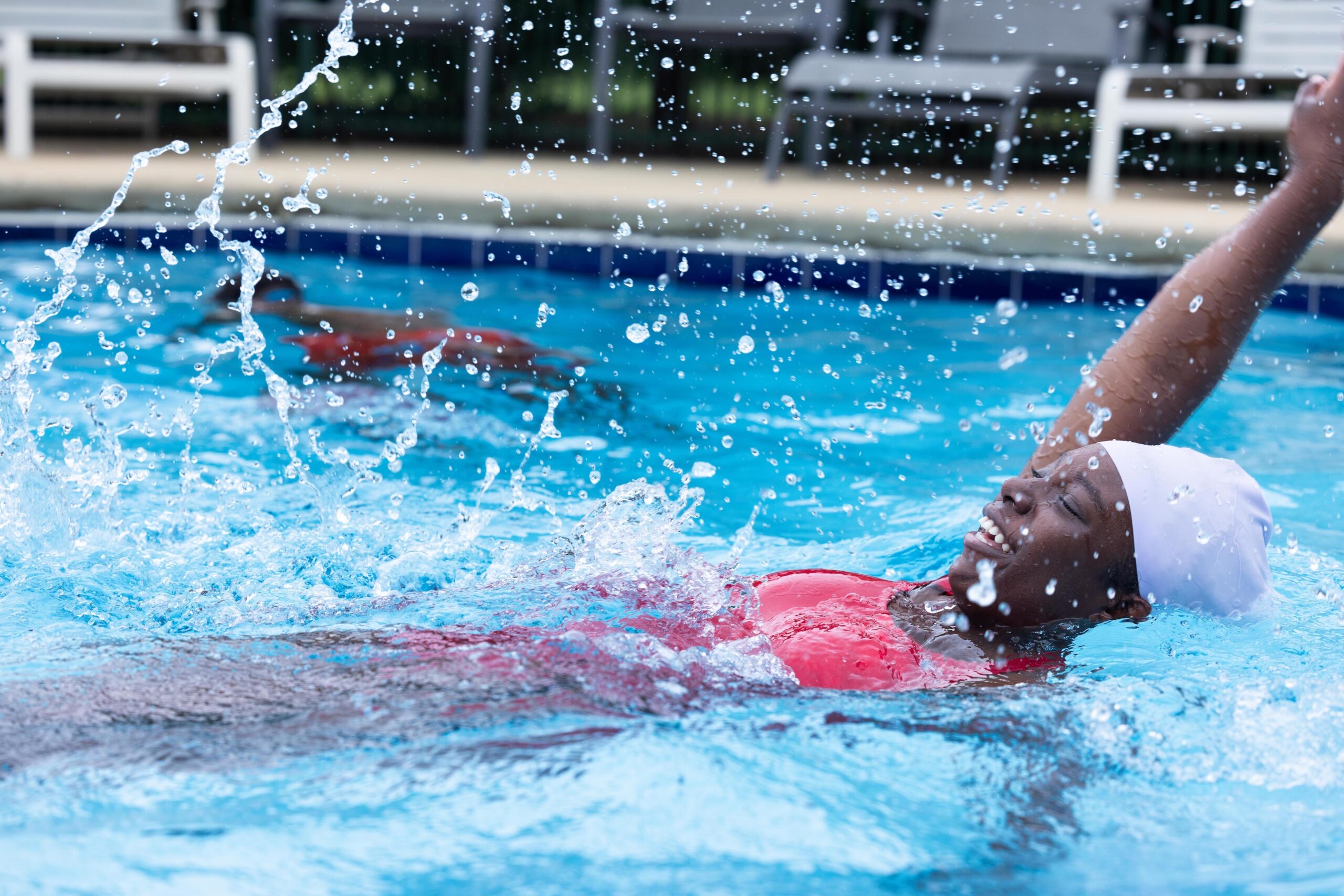
Jump in! Outdoor Afro’s annual Making Waves program will partner with Black People Will Swim (BPWS) for the second year in a row – this time making a cannonball splash Thursday, June 20. A summer day internationally known as The World’s Largest Swimming Lesson (WLSL). “This global lesson is a first-time experience for both our organizations and connects perfectly to Outdoor Afro’s sixth annual Making Waves program,” said Founder and CEO Rue Mapp. “Partnering with our swim provider, Black People Will Swim, makes the moment historic to support this life-saving skill.” Outdoor Afro will sponsor BPWS in offering free swim lessons to up to 200 Black kids and caregivers in a single day at York College Natatorium in Jamaica, Queens, New York. When registration opened Saturday, June 8, the day lesson already attracted 250 registrants. “Our sessions are always sold out,” said BPWS Founder Paulana Lamonier. “This free event is our way of saying we haven’t forgotten about you. Here’s your chance to practice water safety with us. Let’s make a splash by starting summer off on a safe note."
The two organizations are simultaneously providing free swim lessons with hundreds of swim schools across the globe. This epic pool experience will build on Outdoor Afro’s 2024 Making Waves goal to fund 1,500 new swimmers to learn water safety and basic swimming techniques by the end of the year. Open to all ages, the 30-minute pool sessions led by BPWS will rotate from 5 p.m. to 8 p.m. EST. These lessons are another way to bring awareness to drownings in the United States, said Lamonier. According to the Centers for Disease Control and Prevention, Black youth ages 10 to 14 drown in swimming pools at a rate more than 8 times that of white peers. During 2019, Outdoor Afro launched Making Waves in response to the growing and alarming number. Meanwhile, WLSL developed through the World Waterpark Association and became a worldwide public relations event to help educate the public about water safety and prevent drownings.
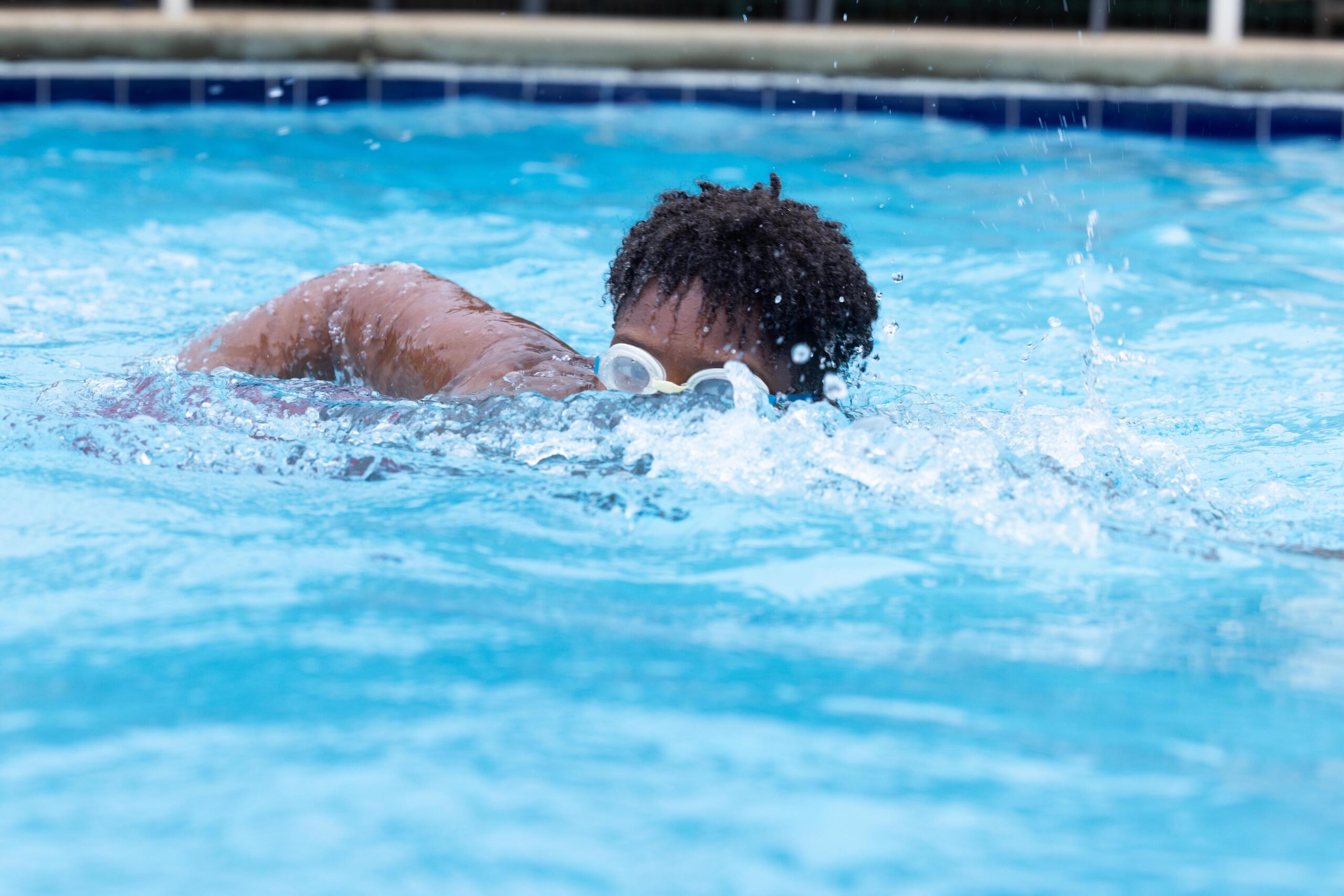
Supported by aquatic centers, waterparks, swim schools, and community pools, the awareness day is also celebrating its 15-year anniversary this year like Outdoor Afro. Both organizations collaborate with swim operations nationwide to help families unlock the joy of developing positive relationships with water. WLSL aligns with the opportunity Outdoor Afro and BPWS are creating to reach newer generations of confident swimmers, explorers, and conservationists, said Mapp. “In addition to the urgency to save lives, we know that if a child does not know how to swim, they won’t ease into a tippy kayak, cast a pole in a lazy lake, or care about the crisis of plastics filling our oceans,” Mapp said. “Positive connections with water start with learning how to swim. And Outdoor Afro is proud to continue our efforts with Black People Will Swim as part of this year’s roster of partner providers.”
FAST SPLASH FACTS:
- In addition to BPWS, Outdoor Afro collaborates with the following U.S. swim providers to fund 2024 swim lessons: Evolutionary Aquatics in Charlotte, North Carolina; Foss Swim School in Eden Prairie, Minnesota; LEGITswim in Washington, D.C.; SwemKids in Atlanta, Georgia; and Oshun Swim School in Seattle, Washington; and Yu Ming Charter School in Oakland, California.
- BPWS is the only swim school in the five boroughs participating in WLSL that is sponsored by Outdoor Afro.
- WLSL will serve as an Open House for families wanting to meet the BPWS team and take a swim assessment before registering.
- After this event, BPWS aims to expand to the Long Island area to provide further instruction.
ABOUT OUTDOOR AFRO: Outdoor Afro is a national not-for-profit organization that celebrates and inspires Black connections and leadership in nature. What started as a kitchen table blog by Founder and CEO Rue Mapp in 2009 has since grown into a cutting-edge nationwide organization. Outdoor Afro’s U.S. networks include nearly 100-plus volunteer leaders who guide nature activities in up to 60 cities with network participation reaching 60,000 people annually. Outdoor Afro reconnects Black people to the outdoors through outdoor education, recreation, and conservation. Connect with @outdoorafro on social and visit outdoorafro.org to follow our year-round nature narratives.

Outdoor Afro commemorates Juneteenth through 2023 'Freedom to Access Water' theme
Black community connections to local waterways aren’t always the easiest conversations or experiences to navigate across nationwide neighborhoods. “When we look specifically at access to public swimming pools, the Centers for Disease Control and Prevention research persistently shows that the drowning rate of Black children is more than 7.6 times that of white children,” said Rue Mapp, Founder and CEO of national not-for-profit organization Outdoor Afro. The statistic ties to the historic prohibition of Black entry onto beaches and into public pools.
To change the course of this particular water woe, Outdoor Afro centers its third annual Juneteenth (June 19) theme on “Freedom to Access Water” – coupling the federal holiday with the organization’s fifth annual Making Waves program. Launching right after Juneteenth, Making Waves’ goal is to teach up to 1,000 Black children and their caregivers how to swim within Outdoor Afro’s sphere of influence. On June 19, Outdoor Afro will extend its nature invitation to U.S. communities, which is simply to join the organization outside to commemorate Juneteenth. Preferably near water sources people enjoy visiting individually or with family and friends. To rest. Reflect. Heal in the outdoors for 2.5 hours.
“We want to stay fixed on the true essence of Juneteenth at Outdoor Afro,” said Mapp. “The false narrative is that this holiday symbolizes a celebration to ending slavery; however, this label just isn’t accurate.” Instead, June 19, 1865, documents the date 250,000 enslaved Black Americans in Galveston, Texas, were told they were free. Good news, indeed. The only problem: Enslaved people received the announcement 2.5 years after the Emancipation Proclamation (signed Jan. 1, 1863) went into effect.
Outdoor Afro uses its community and nature work to educate the general public about the correct meaning behind Juneteenth and how significant freedom and time – in its many interpretations – is to everyone. Outdoor Afro’s National Program Director Chaya Harris leads the organization’s Making Waves program. She matches families and individuals with select sites that offer swim lessons through the program. “We’re asking the public, supporters, partners, and our local networks to spend just 2.5 hours in nature on Juneteenth,” said Harris. “It’s a great way to focus on Making Waves and reach our 1,000 Swimmership goal with a new generation of confident swimmers and swim instructors.”
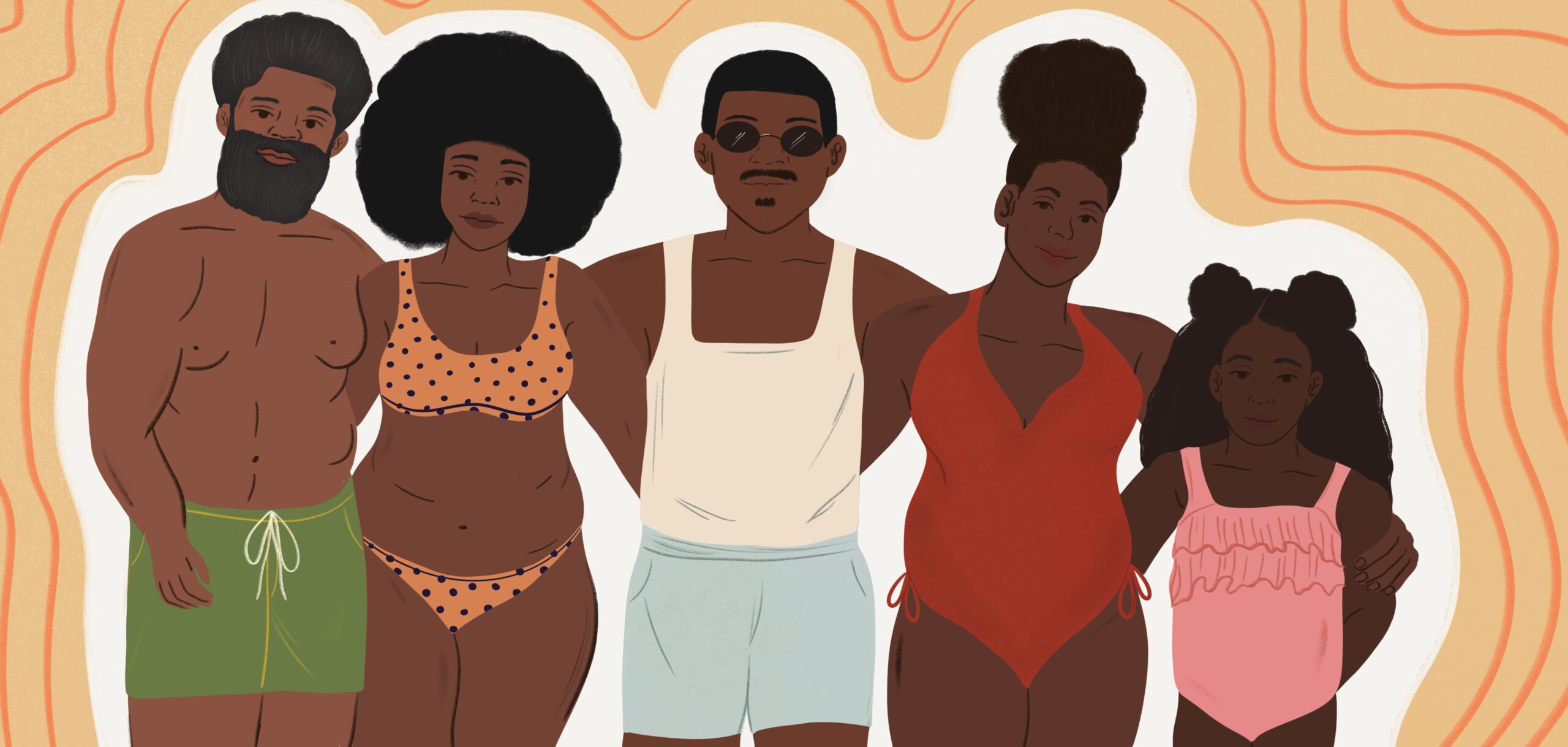
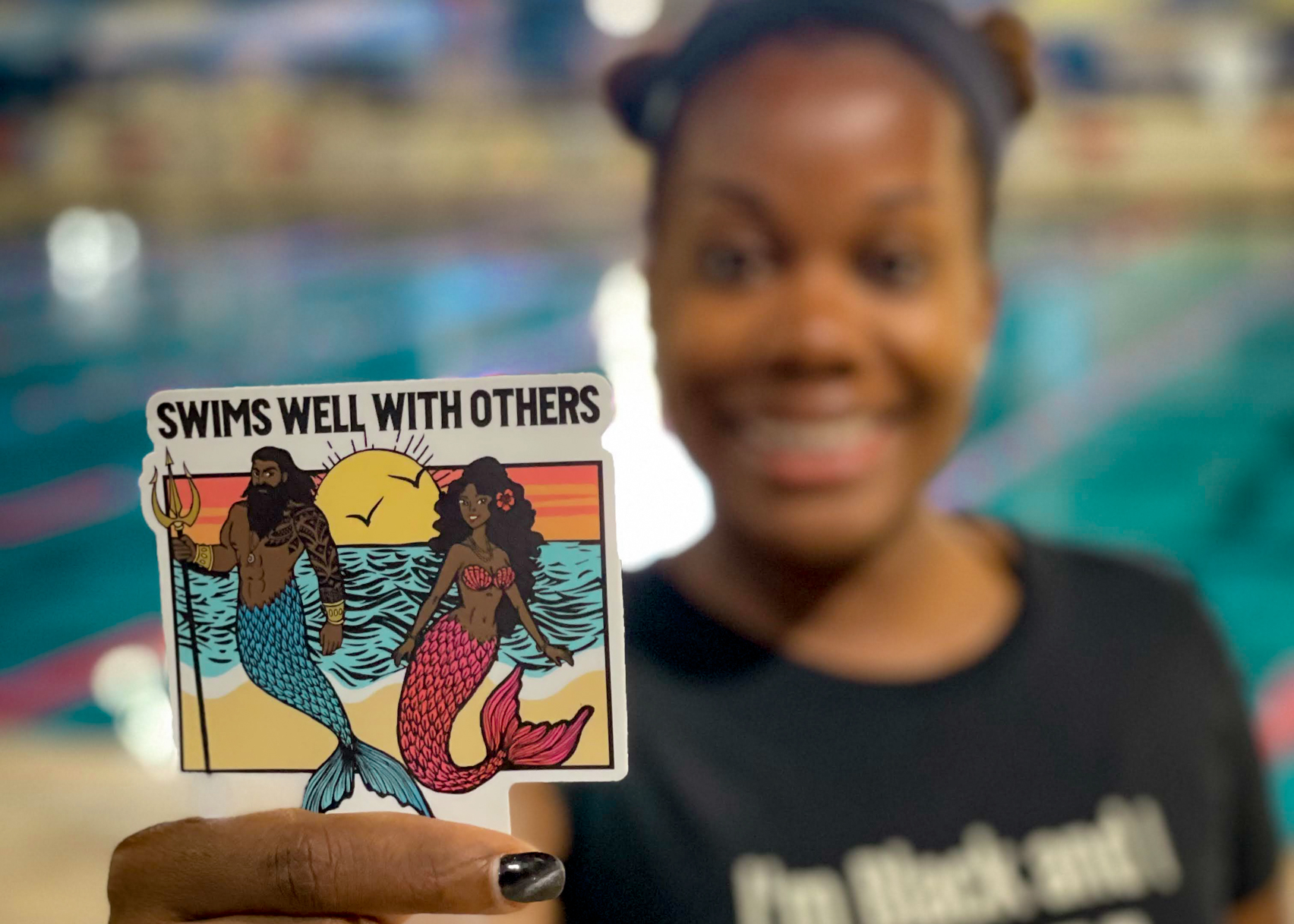
ABOUT OUTDOOR AFRO: Outdoor Afro is a national not-for-profit organization that celebrates and inspires Black connections and leadership in nature. What started as a kitchen table blog by Founder and CEO Rue Mapp in 2009 has since grown into a cutting-edge nationwide movement with 100-plus volunteer leaders in 60 cities with network participation reaching more than 60,000 people. Outdoor Afro reconnects Black people with the outdoors through outdoor education, recreation, and conservation. Follow Outdoor Afro at outdoorafro.org and @outdoorafro today. Illustrations by Dajah Callen.
The water is ours too — always has been
Like most instances in American history, the pioneering roles Black people have held in water-related industries has rarely been acknowledged, documented, or celebrated. For decades, there has been an ongoing myth that Black people — mostly in the Americas — have no or limited relationships with water. Outdoor Afro volunteer leader Hillary Van Dyke has been instrumental in not only uncovering our hidden history in the St. Pete and Tampa, Florida, areas, but she is also taking charge to ensure her local community strengthens its connection to water, like our ancestors did. Van Dyke, a Southern-based historian, has spent time conducting research on the Black men who helped establish and ultimately make the area’s sponge diving business what it is today.
“Sponge diving is a major industry in Tarpon Springs, Florida,” Van Dyke said. “It has now expanded into tourism where tour operators take people out on boats to see how the sponges were once harvested. However, when on these tours, the only pictures or faces you see are those of the Greek and/or white men who later built the industry.” The sponge used in modern times is now a synthetic material. Back in the day, Black divers helped collect sponge. Practical for cleaning and scrubbing purposes. In addition to maintaining personal hygiene, the sponge helped with filtering water and padding helmets.
It wasn’t until a 2008 Pinellas County survey released — the county in which Tarpon Springs (the “Sponge Capital of the World”) is located — that details on Bahamian male swimmers being the driving force of the industry were discovered. “The actual industry was built by these Black men,” said Van Dyke. “When the sponge fields were discovered in the area in the late 1800s, Bahamian divers were recruited and brought to the area to work in the businesses. But none of that is shared publicly or during the tours.”
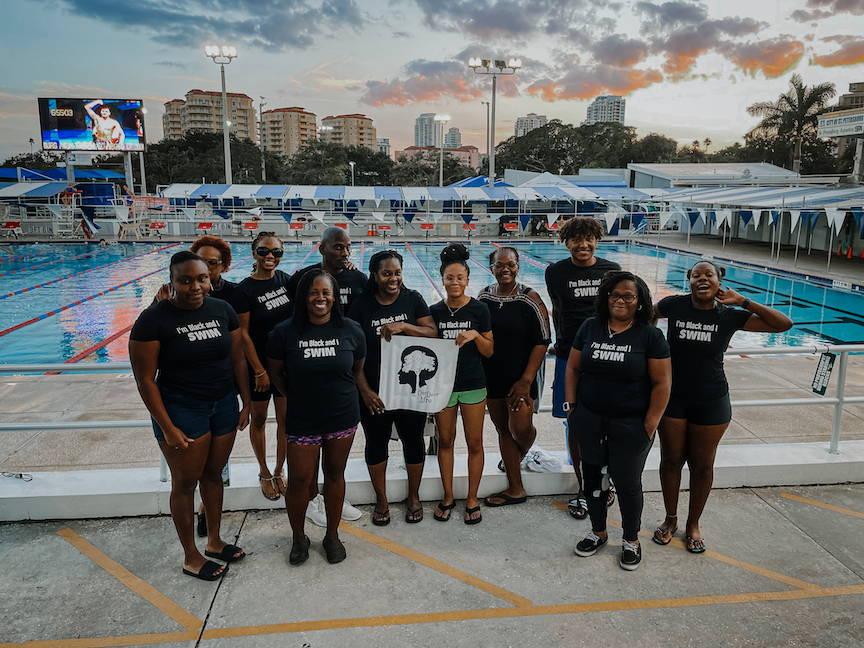
According to the 2008 survey, boats from Key West made regular trips to the sponge beds and returned with rich harvests. An influx of Bahamian sponge fishermen established posts along the Anclote River. This led to more than 120 boats operating and new businesses springing up around the sponge fields at the helm of the Black divers. In 1905, Greek immigrants began arriving in Tarpon Springs after a Greek businessman working in the sponge diving industry made people in his homeland aware of the success of the industry.
Within one year, some 1,500 Greeks had come to Tarpon Springs, joining with the Bahamian residents to support a thriving industry, the survey explains. By 1908, sponge harvesting was one of the largest industries in Florida. Tarpon Springs as a major base of operations. The irony: “The Greek divers are described as helmet divers. They wore complex diving suits to harvest the sponges,” Van Dyke said. “This is also a major part of what is highlighted during the tours being operated today. However, the Black Bahamian men were all free divers, using no equipment at all to go under the water.”

Through her leadership role as an Outdoor Afro volunteer, Van Dyke wanted to correct local history. As part of her weekend activities with community participants, she asked participants if they wanted to take adult swim and scuba diving lessons in the area. They did. “I have close connections with the city and wanted to be able to offer this to adults who never learned to swim,” the 2021 Outdoor Afro “Leader of the Year” said. “It’s very courageous of any adult to make the decision to learn to swim later in life. There are often deep-rooted traumas associated with our reasons as Black people for not learning early in life. So, I know it takes a lot for them to join our classes.”
LEARN ABOUT OUTDOOR AFRO MAKING WAVES PROGRAM
While participants take their swim lessons, Van Dyke shares the history and impact the Black divers had on Tarpon County. Reconnecting them to the group’s generational relationships with water. “They always find it very intriguing, especially knowing that none of this is being shared elsewhere.” Van Dyke dives deeper into history by mentioning that in the mid-1950s local officials received funding to build a ‘Negro-only’ beach. A move that happened after conflict of trying to integrate the area’s segregated beach arose. However, rather than using the funds to do so, officials instead built North Shore Pool, which was for white swimmers only.
A song and dance Black communities have seen and experienced firsthand for generations. From the famed Inkwell in Oaks Bluff, Massachusetts to the countless ‘swim-ins’ that took place across the South — longstanding evidence Black people and Black communities have a deep love of and natural links to waterways. Van Dyke serves as a continuation of Outdoor Afro’s mission to inspire and celebrate Black connections and leadership in nature. Changing the narrative that Black people “don’t do water.”

10 beginner swimming pointers from leader Mardi Fuller
As summer draws nearer, anticipation for beach, pool, and lake days grows. Nationwide, Outdoor Afro looks forward to time outside with family and friends – as well as the wonder of weightlessness and the joy of cooling immersion that the water provides. Our network is in constant pursuit of deeper connections to nature, bringing Black people together in community and water-focused activities. Black people have faced exclusion from public pools and beaches over the course of the 20th century. Swimming areas were segregated through the 1960s, and Black people did not benefit from the pools and swim clubs built in white neighborhoods either. This deliberate prohibition has resulted in a great disparity in who has access to swimming and water safety, and by extension, the many sports and activities for which swimming is a foundational skill. I like sailing, fishing, kite surfing, or water polo.
Outdoor Afro is working to change this through its Making Waves program, a program designed to help increase access to swimming for Black families across the United States. The program provides swim scholarships to children and their caregivers. Learning to swim is first about survival: knowing how to gauge safe swimming conditions, gaining water confidence, and moving efficiently in the water in a relaxed manner. Once achieved, swimming opens the door to a new world, truly, as 70 percent of the earth is covered by water. It has been called the best form of exercise because it’s easy on joints and builds muscle tone all over as the body works against the water’s resistance. I am fortunate to have had my mother take my brother and me to swimming lessons when I was around 3 years old.
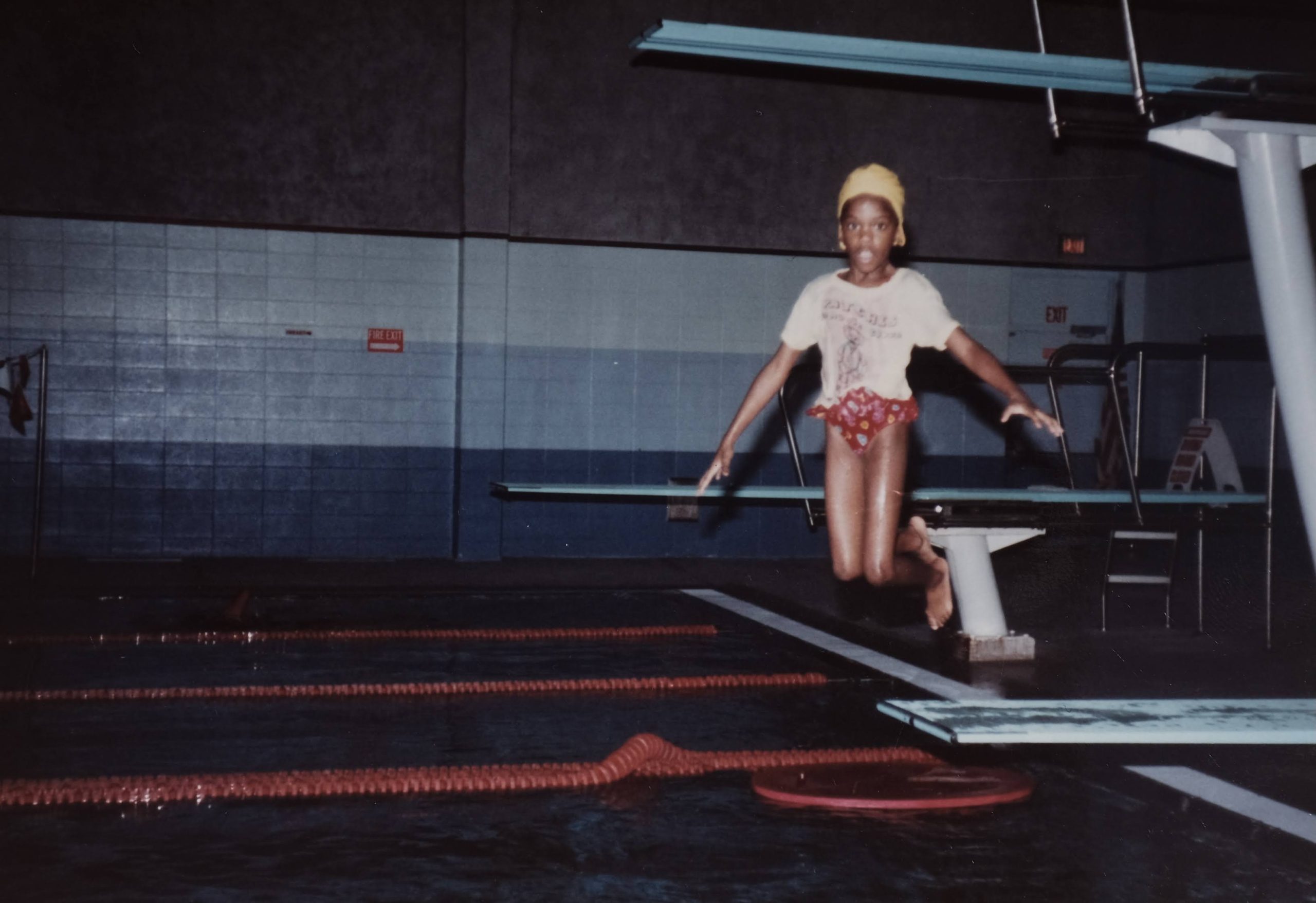
My mom didn’t know how to swim and took classes at the same time. To this day, swimming is the exercise in which she finds the most ease, and it has helped her manage chronic pain. Swimming has been a refuge for me as well. As a kid, I was always happiest when playing in any body of water, and I participated in swim teams throughout childhood. I became a lifeguard and swim instructor in high school and college. These roles allowed me to be around the water and were some of the best paying jobs around. In adulthood, I now swim for exercise and injury management; I’ve swam in triathlons, and I still enjoy open water swimming. Above all, it’s always brought me massive joy. If you are a beginner swimmer looking to increase your water confidence and have more fun at the beach or pool this summer, here are my recommended tips to get started and build a rewarding lifelong relationship with water:
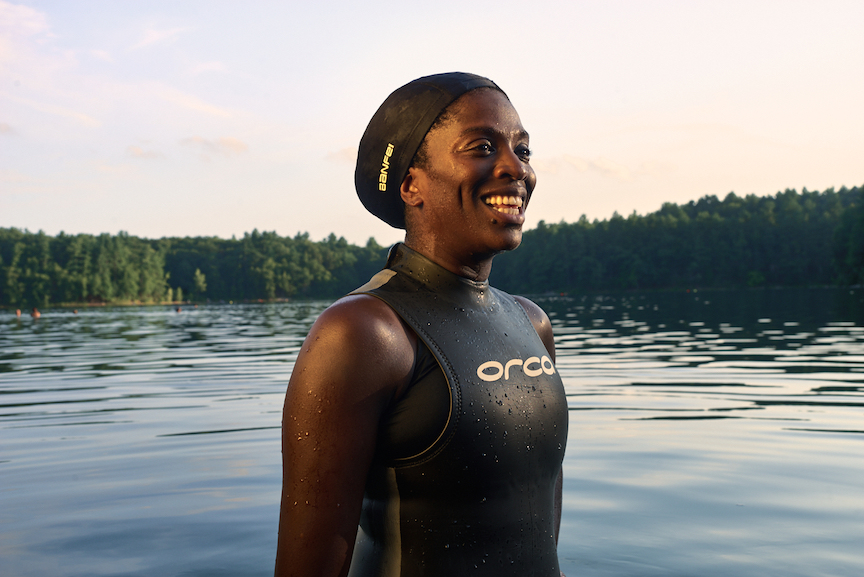
CHANNEL YOUR ANCESTORS. The most important thing for you to know about swimming is that you belong in the water; it is your heritage. Historically, West Africans were proficient swimmers at a young age. Swimming, boating, and fishing were integral to our cultural practice, including spiritual beliefs, economies, social structures, political institutions and worldviews. In Undercurrents of Power: Aquatic Culture in the African Diaspora, Professor Kevin Dawson’s research reveals how descendants of Africans demonstrated aquatic fluencies at home as well as while enslaved in the Americas. West Africans built and navigated the waters in dugout canoes. They spear fished. They evaded enemies by swimming. Reading this scholarship brought new meaning into my understanding of our powerful water-based legacy.
LEARN THE FUNDAMENTALS OF WATER SAFETY. Understanding the risks of being in and around water is the first step to becoming a strong and safe swimmer. Familiarize yourself with water safety tips from the American Red Cross, where you will find a national database of swim instruction available near you.
FLOAT ON. AND ON. AND ON. Once you’re comfortable in the water, floating is a survival technique as well as a restorative practice. You can float when you’re too tired to swim anymore, and you can float simply to relax and be present in your surroundings. Practice by laying on your back in shallow water with arms and legs extended. Have an experienced swimmer support you by standing next to you, gently placing a hand under your lower back. Press your hips to the sky. Cup your hands slightly, fingers together, and slowly move water towards your body, and then flip your hands and push water away. This is called sculling. Each body floats differently, depending on muscle mass, body fat percentage and your body’s surface area. Most people can’t float without some gentle movement, such as sculling or a gentle flutter kick. Practice and discover exactly how much movement it takes for you to float with ease.
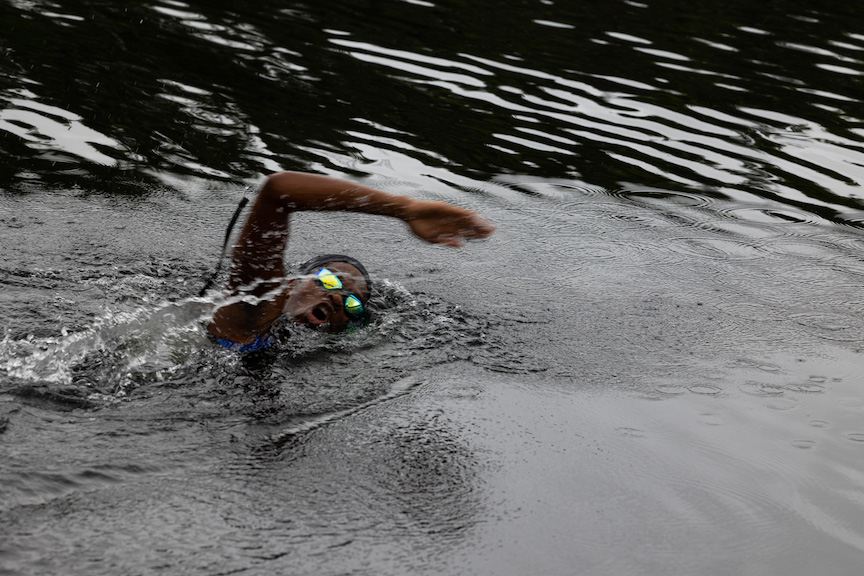
JUST BREATHE. After learning to float, your next priority is regulating your breath. Once you do so, the experience of swimming can be quite calming and beneficial to your overall health. Swimming increases lung capacity and breath endurance. Interestingly, one study compared swimmers’ lung capacity to that of elite football players and found that the swimmers had larger lungs and better cardiorespiratory function.
PRACTICE BLOWING BUBBLES. Swimming proficiently for any length of time requires putting your face in the water. You can try this at home. Fill a basin with water and get comfortable dunking your face right in. Whenever your face is in the water, you are always blowing air out of your nose and mouth – never holding your breath. After you’ve pushed the last drop of air from your lungs, lift your head out of the water and inhale through your mouth slowly. Repeat. As you gain comfort, practice turning your head to either side to inhale, as you will when you learn the crawl stroke or freestyle stroke.
TAKE A SHOWER. We are not trying to have damaged hair or dry, ashy skin. Not only is it good hygiene to rinse yourself off before going into a body of water, but also allowing your hair and skin to absorb fresh water means that your cells and follicles have less room to absorb damaging chlorine or salt.
TRY TO CREATE GOOD CONDITIONS FOR LEARNING. Your local YMCA, YWCA, or community pool will offer lessons for children and adults. Outdoor Afro even offers “Swimmerships™” (swim lesson scholarships) through its Making Waves program. If you have options, shop around and find an instructor you’re comfortable with and in a supportive learning environment at that. It can feel hard to try to learn a new skill as an adult, too. Settle into a mindset in which you’re patient with yourself and open to learning and growth. Find a bathing suit you feel good in. Check out Black-owned soulcap.com for swim caps designed to fit our various hairstyles and hair volumes. Get a pair of swim goggles to protect your eyes from chlorine and to make it quicker to transition between being above and under the water.
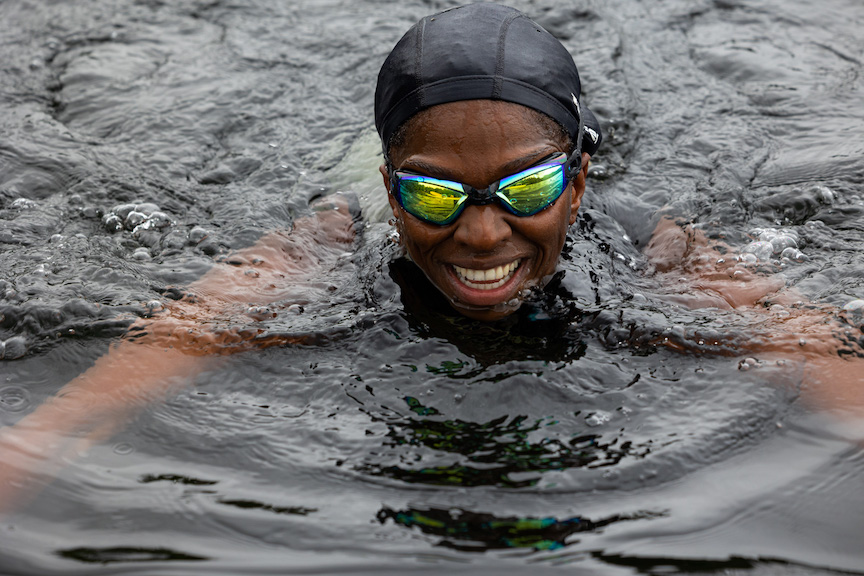
WEAR FINS. When you’re practicing on your own, fins are a great support to use to learn how to kick. When you kick with fins your body naturally executes a flutter kick emanating from your core and hips. It’s easy for beginners to want to bend their knees to kick – a motion which will get you nowhere.
AVOID FLOATATION DEVICES. You will find varying opinions on this, but my opinion is that flotation devices are important for safety on open water, but while learning to swim, they can provide a false sense of security. Children who wear floatation devices often feel overconfident in deep water before they are truly able to keep themselves safe at that depth. Wearing a floatation device may tempt a new swimmer to not pursue stronger skills. Better to stay within a swim area where you can stay safe. Progress to deeper water as your skills advance.
DON'T STOP PRACTICING. Learning how to swim takes consistency – some estimate it takes 75-100 hours of lessons and practice to become proficient. It may take five years of swimming once or twice a week to become a comfortable lap swimmer, but you’ll become strong enough to be safe and enjoy yourself well before that. And of course, have fun! Find your own water joy, whether it is the peace and quiet that comes from ducking underwater, riding waves in the ocean, or floating for relaxation. Or picking up a sport like stand-up paddle boarding or windsurfing. Oh! And don’t forget to bring a friend or family member along with you.
Underwater, action shots by Joe Klementovich: @klementovitch; portrait shot by Philip Keith: @philipckeith_
